
Pilates Is Becoming a Product — And the Industry Is Losing Its Educational Core
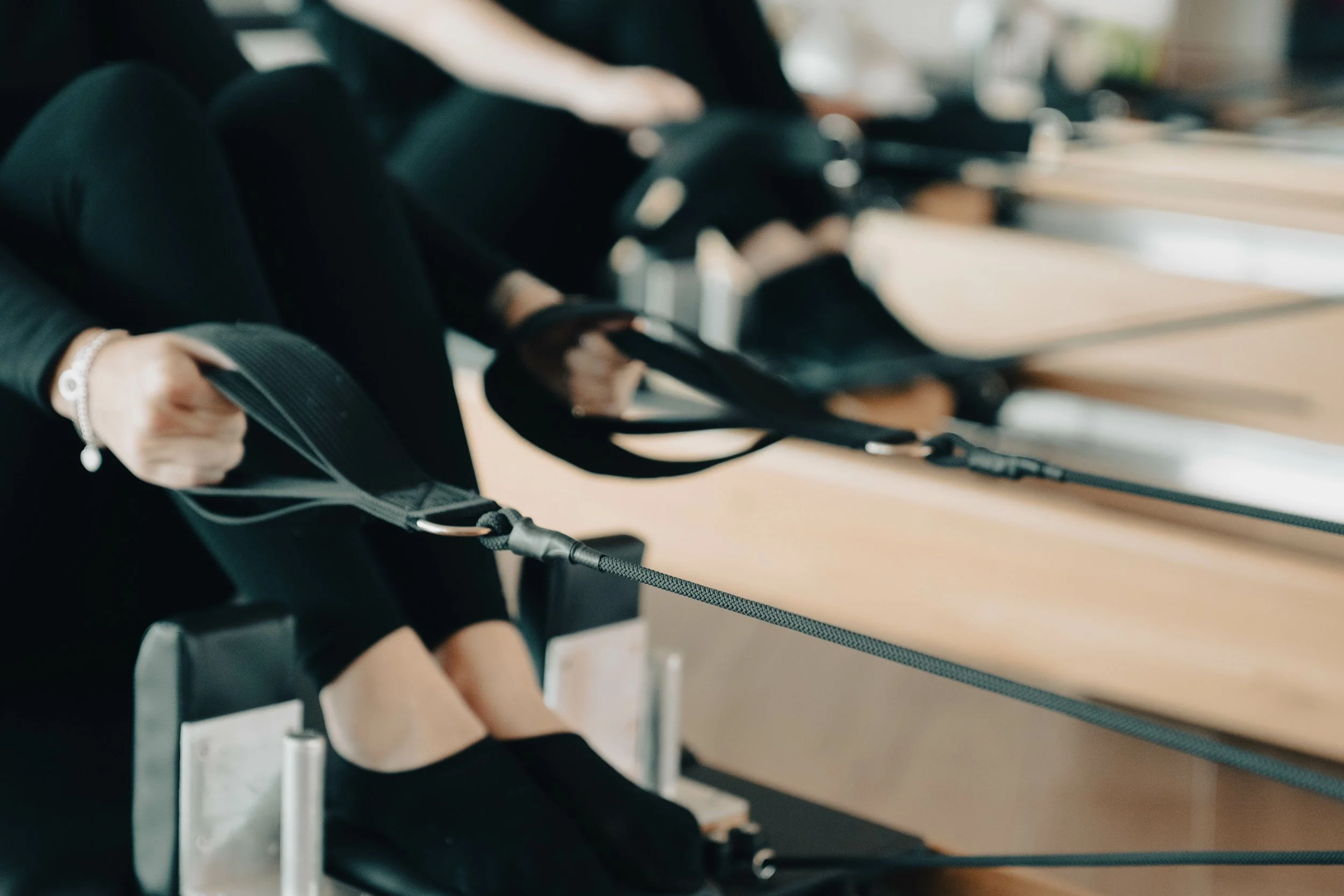
Pilates is undergoing a structural shift. Not in its exercises, not in its equipment, and not even in its popularity - but in its identity. The question is no longer whether Pilates is growing. The question is what Pilates becomes when it moves from a pedagogical system into a commercial fitness format.
Over the last eleven years working in Qatar, and more than twenty years in classical Pilates practice and teaching, I have witnessed a rapid expansion of reformer studios across the Middle East. Pilates has moved from a specialized discipline into a mainstream wellness industry category. It is now embedded in a global lifestyle language shaped by aesthetics, social media visibility, and curated wellness culture.
On the surface, this appears to be success: more participation, more studios, and more awareness. But beneath this growth, a quieter structural change is taking place. Pilates is increasingly no longer defined by method. It is defined by market.
In many environments today, the reformer has become the product, and “Pilates” has become the branding language used to sell it. This distinction matters because Pilates was never designed as a scalable fitness format. It was created as a pedagogical system of movement built on observation, correction, progression, and individual adaptation. The role of the teacher was not to deliver a class, but to interpret the body in front of them and guide it through a specific, responsive process. That model does not scale easily. And yet scaling has become the dominant force shaping the industry.
Across the region, and increasingly globally, the instructor pathway has shifted. It is now common for individuals to enter teaching roles after short certification courses, often with limited foundational exposure to anatomy, biomechanics, or long-term movement study. Many are capable and well-intentioned, but the speed of entry into teaching reduces the time available for deep embodied understanding of the method itself.
The result is not necessarily poor intention. It is structural inconsistency. At the same time, the public perception of Pilates has become increasingly standardized. Many clients now assume Pilates is a uniform, regulated, and inherently safe form of exercise. If a class is labelled “Pilates,” it is assumed to meet a consistent professional and educational standard. In reality, that standard does not uniformly exist. And the gap between perception and reality is widening. This is where the industry quietly shifts from education to presentation.
Studio design, branding, social media presence, and lifestyle positioning increasingly shape perceived credibility more than training depth or pedagogical understanding. In some cases, visibility is misread as expertise. Aesthetic coherence is interpreted as professional authority. This is not unique to Pilates. It reflects a broader global pattern across the wellness industry.
But Pilates carries a particular sensitivity because of the populations it now serves. Older adults seeking mobility and stability. Pregnant women seeking safe movement. Individuals managing chronic pain, rehabilitation needs, or long-term musculoskeletal conditions. These populations increasingly enter large-group reformer environments where individual assessment and progression are limited. The larger the group, the further the method moves from its original principle of individualization. This is not a criticism of group training. It is a clarification of what changes when scale replaces specificity.
Another factor shaping this shift is education itself. Historically, Pilates teacher training required extensive mentorship, observation hours, anatomical study, and supervised practice. Certification represented entry into a profession, not completion of it. Today, parts of the education ecosystem have adapted to market demand for speed and accessibility. This has expanded access, but also widened variability in depth, consistency, and interpretation.
The issue is not accessibility. The issue is compression. And what is compressed is not just time, but transmission - the structured, mentored process through which a method is preserved from teacher to teacher. Pilates does not exist in isolation. This transformation reflects a wider movement across the global wellness industry, where many traditional disciplines are being reframed as scalable fitness experiences. Yoga, strength training, and mobility systems have all undergone similar transitions. Across these fields, a consistent tension emerges: preservation of method versus adaptation to market logic. What is often lost in this transition is not technique itself, but coherence, the shared understanding of what the method is and how it is meant to be taught.
This raises a fundamental question: If Pilates can be delivered in multiple ways, at what point does it stop being defined by its original principles?
There is no simple answer. But avoiding the question entirely is itself a decision with consequences. The solution is not resistance to growth, nor rejection of new instructors or studios. The solution is clarity. Clarity in education. Clarity in expectations. Clarity in professional responsibility.
Studio owners play a decisive role in shaping standards. Hiring decisions define the level of teaching more than any certification alone. Certification providers carry responsibility to preserve depth rather than prioritize speed. Instructors must commit to continuous learning rather than treating certification as a final destination. And clients deserve transparency regarding training, experience, and qualification.
None of this limits access. It protects understanding. Pilates is not disappearing. But it is changing form. And that change reflects a larger truth about the modern wellness industry: when a movement system becomes a product, education is no longer the foundation - it becomes an optional feature rather than a requirement.
I am not writing this from resistance to growth. I am writing this from long-term commitment to the method itself. For more than two decades, I have seen Pilates restore movement, reduce pain, and improve quality of life in ways few systems can match. That is precisely why this conversation matters. Because systems that create real value require protection, not dilution. Pilates does not need reinvention. It needs preservation with clarity. And clarity begins with education.
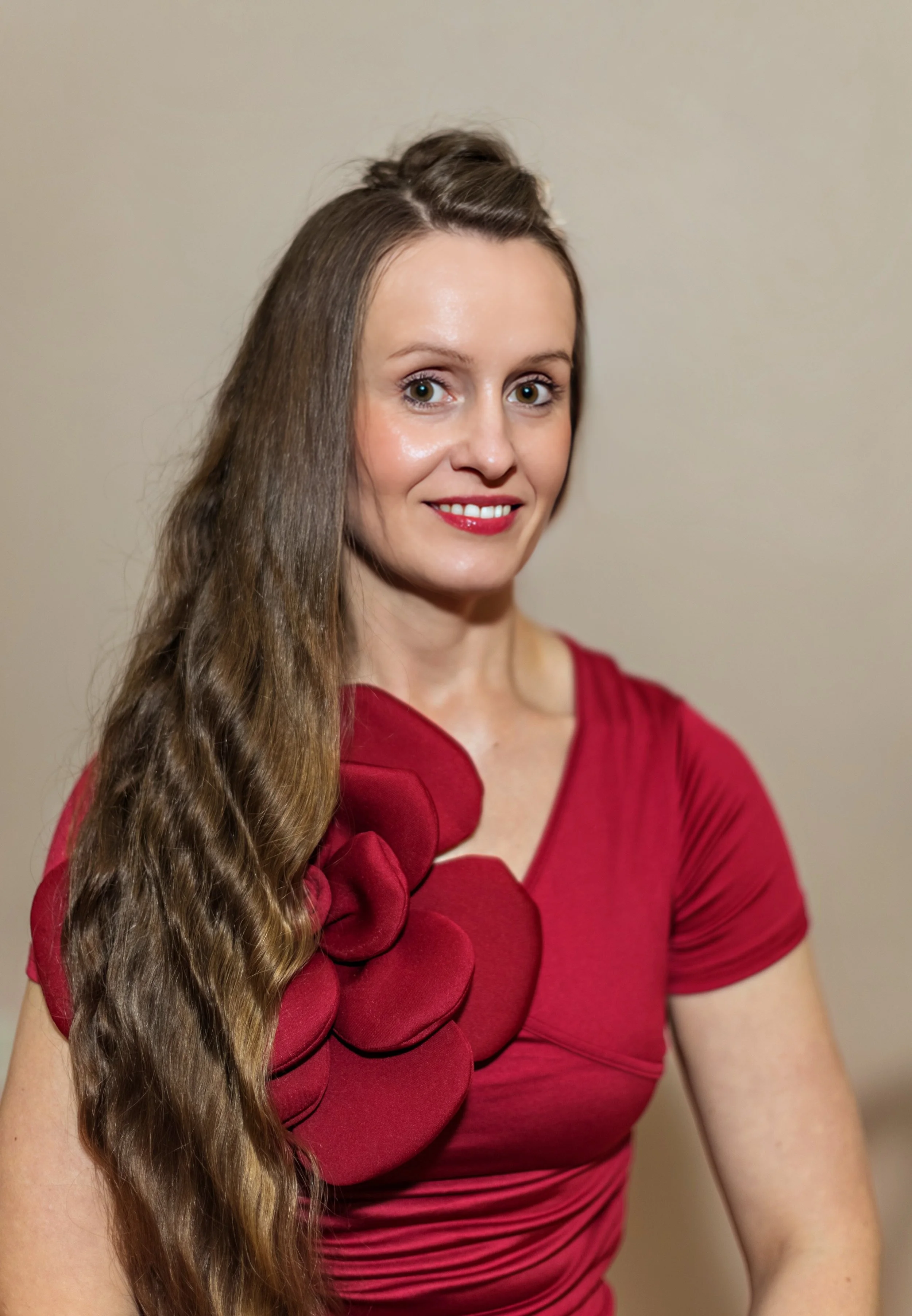
Sanela Glavan
Originally from Croatia and based in Qatar for the past 11 years, Sanela Glavan has spent more than two decades studying, practising, and teaching Pilates and human movement. Following her STOTT PILATES® certification, she deepened her expertise through Classical Pilates and the lineage of Romana Kryzanowska, developing a strong commitment to preserving Joseph Pilates’ original method. Sanela is also passionate about the history and philosophy of Pilates, with a particular interest in Joseph Pilates’ writings and archival materials. Her broader training includes pregnancy and postpartum corrective exercise, pelvic floor rehabilitation, adaptive fitness, strength training, and human movement science.