
After nearly four decades at the helm of BASI Pilates, founder Rael Isacowitz hands over to longtime student and educator Juhan Cha.
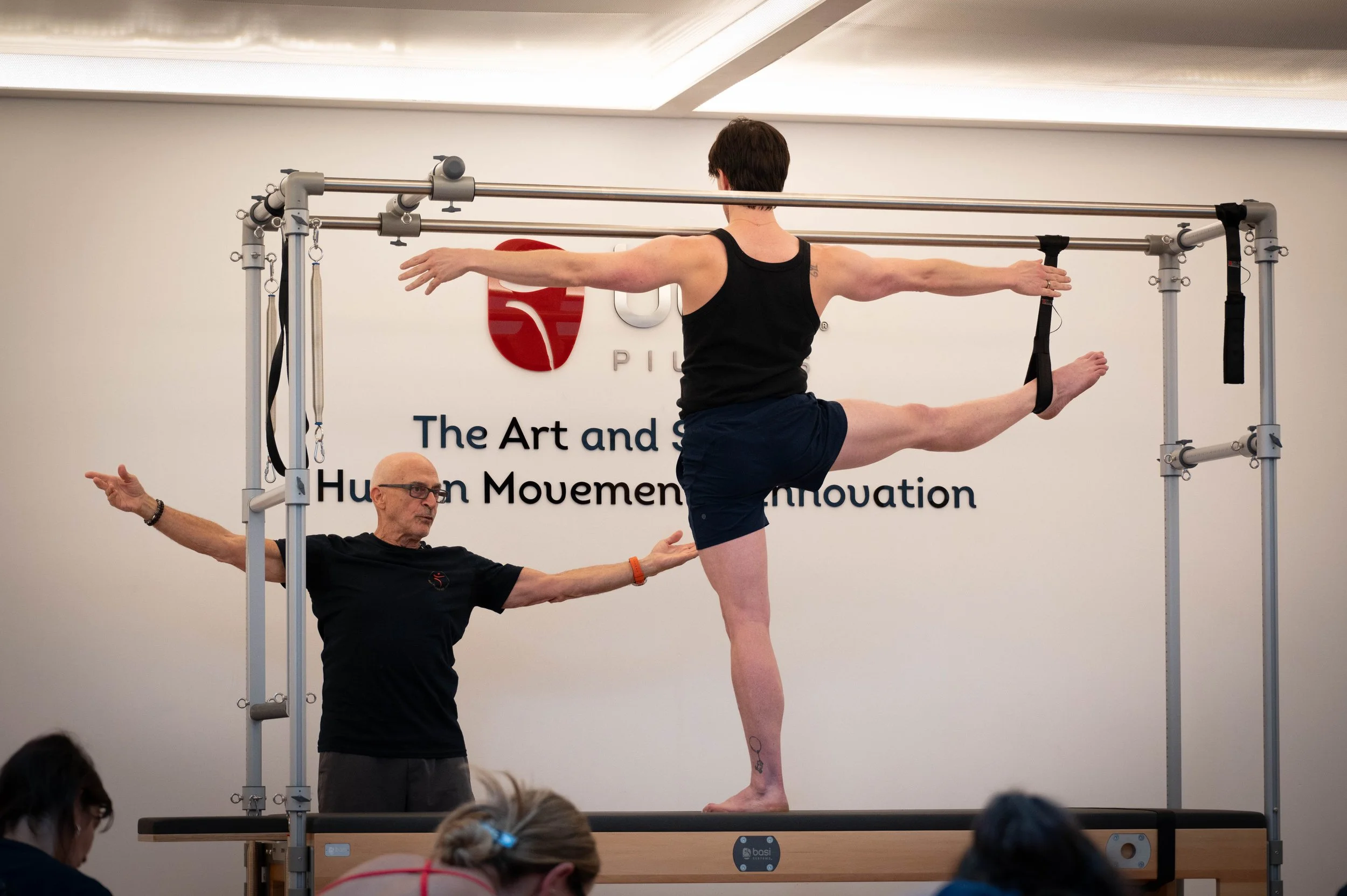
After nearly four decades leading BASI Pilates, Rael Isacowitz is preparing to pass the torch. From 1 January 2027, ownership and directorship of the teacher training education company will go to Juhan Cha, a longtime student, educator and strategic partner whose relationship with Rael has grown far beyond the work.
For a founder considering what comes next, the decision carries both professional and personal significance. It also gives the theme of BASI’s recent Honors Reunion in Prato, Italy, particular resonance: Transformation.
“I know Juhan will not only steer the company towards bigger and better but very importantly, he will preserve the soul and DNA of BASI and all I have built over four decades,” says Rael. “He simply gets it!”
Juhan has been part of BASI as a student, Faculty member, Host, Licensee and Strategic Partner overseeing Korea, Japan and Southeast Asia. Rael describes Juhan and his wife, Eunmi, as family. That depth of connection has shaped the transition, with conversations about the company’s future grounded in mutual care.
“Each of us were as concerned about the other’s wellbeing as our own,” Rael says.
The handover will allow Rael to continue a deeply personal part of his teaching. He will retain ownership and direction of the Legacy Program and selected workshops, which he is calling Legacy Workshops. He is already planning future reunions to share new work, ideas and concepts.
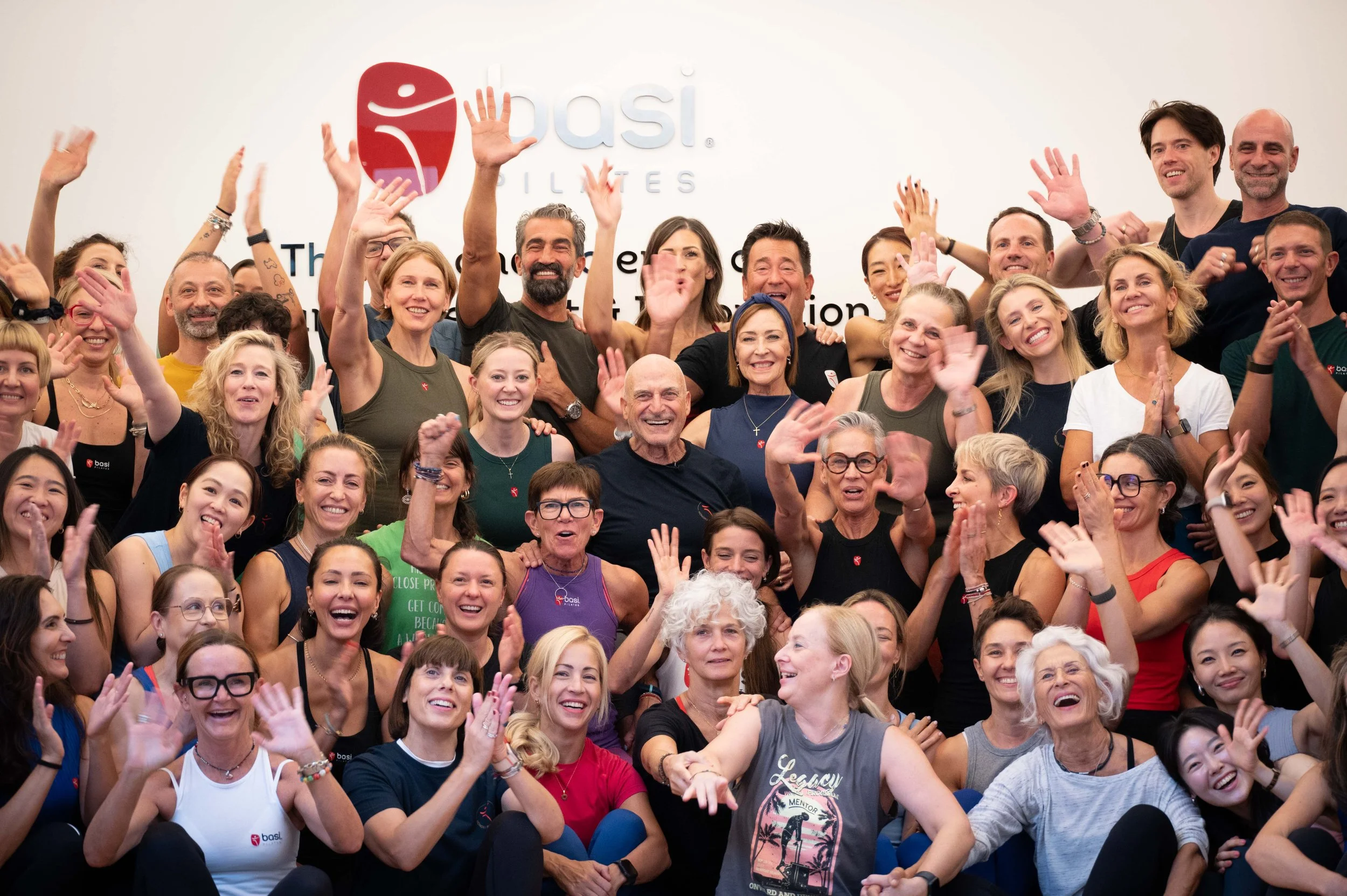
The recent gathering in Italy offered a profound and powerful expression of what that continuing work means.
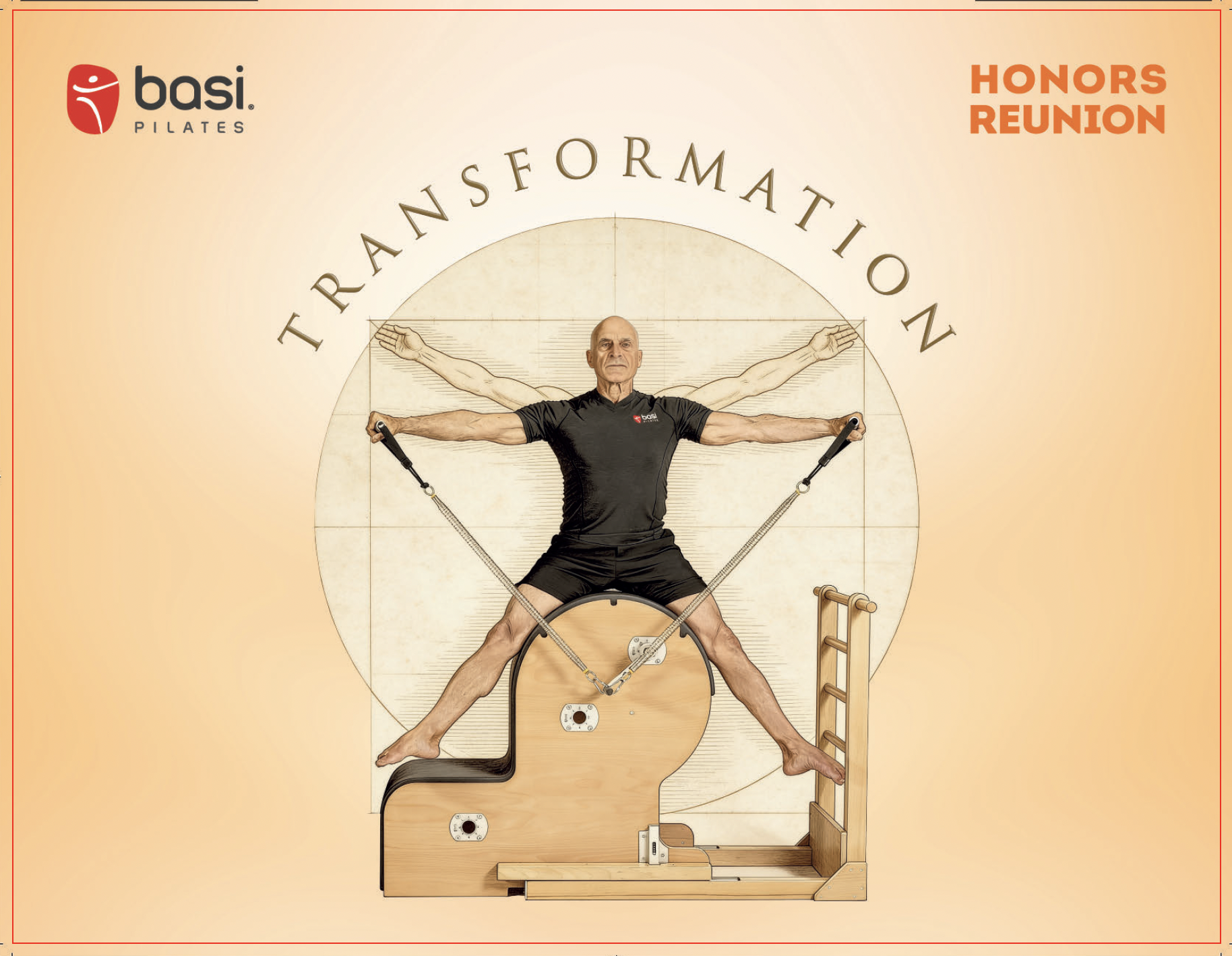
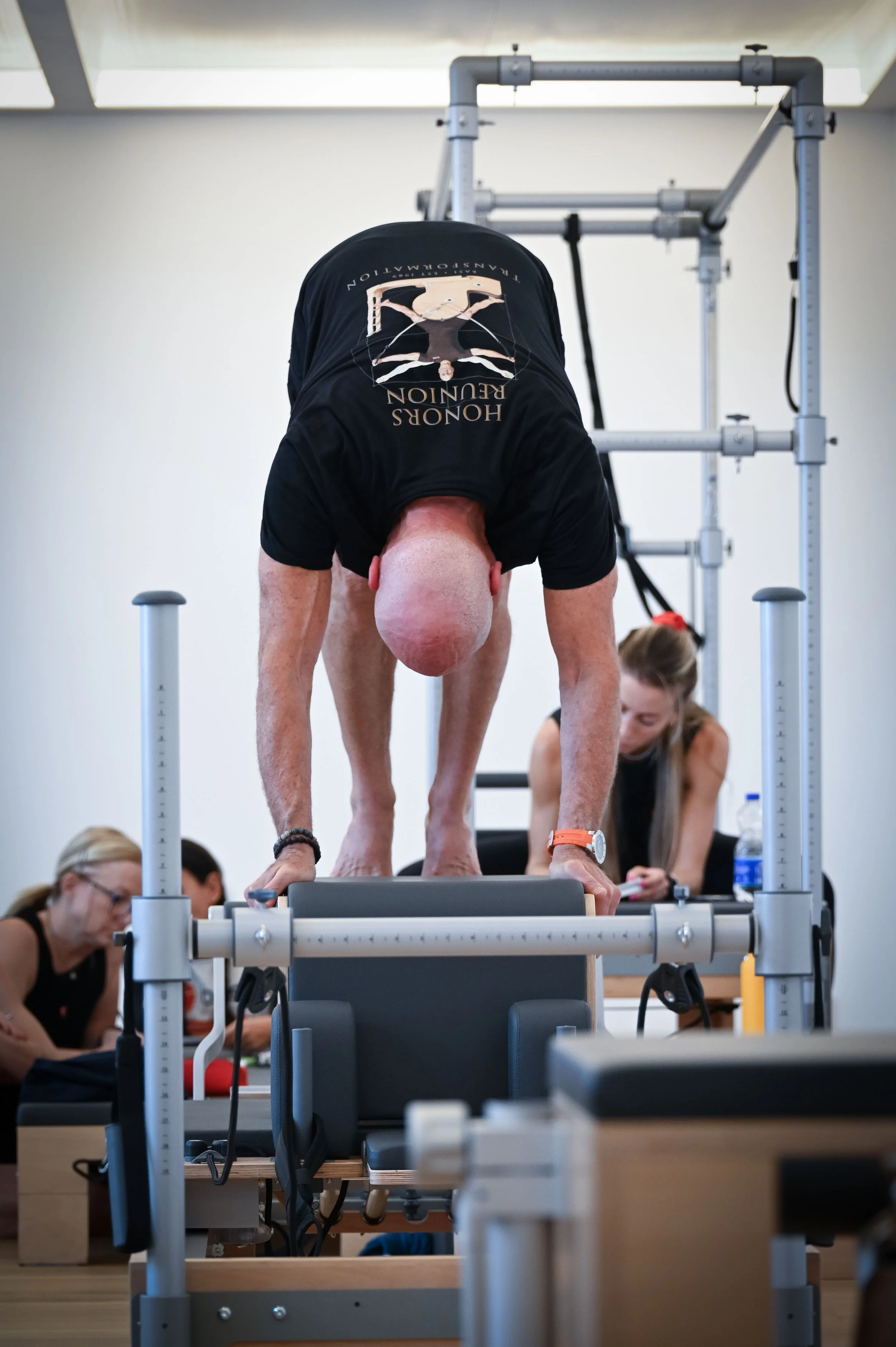
Honors Reunion is the final phase of a five-phase educational discovery: Mentor, Master 1, Master 2, Honors and Honors Reunion. Across approximately 750 pages of exercise manuals, the program traces close to five decades of Rael’s career through movement, with each phase representing a decade of exploration.
The scale of the material is substantial, but its purpose extends beyond building a larger repertoire. For the teachers arriving in Prato, each of whom had completed the four preceding programs as well as the Comprehensive Teacher Training Program, the reunion was an opportunity to recognise how the years of study had changed them.
“I wanted people to introspect and recognise the long road they have travelled, and the changes that have occurred in themselves along the way,” Rael explains.
Each day began with a moving video presentation, a short lecture and participants sharing stories of their personal journeys. Thoughts and quotations within the manual encouraged further reflection and discussion, giving the three days a rhythm that connected movement with the experiences people brought into the room.
The setting held its own significance. Rael had taught in Prato in 2017 and 2018 and remembers it as the place where he first recognised that BASI had grown from being about movement, into becoming a movement for positive change. Its proximity to Florence where the great treasures of Leonardo Da Vinci and Michael Angelo reside also connected him to the relationship between art and science that underpins the BASI name.
Yet arriving to deliver the program had involved a considerable personal challenge. Just six weeks earlier, Rael had undergone emergency abdominal surgery. After a year spent training for the program, and many years developing it, this was a significant setback that that left him unsure whether he’d be able to teach as planned. Yet he showed up and delivered, giving one hundred and ten percent - giving more than he thought possible.
His own circumstances added another dimension to a gathering centred on change, experience and the willingness to overcome challenges and keep learning.
For Rael, that willingness is one of the most important qualities a teacher can bring to the work, regardless of how long they have been teaching.
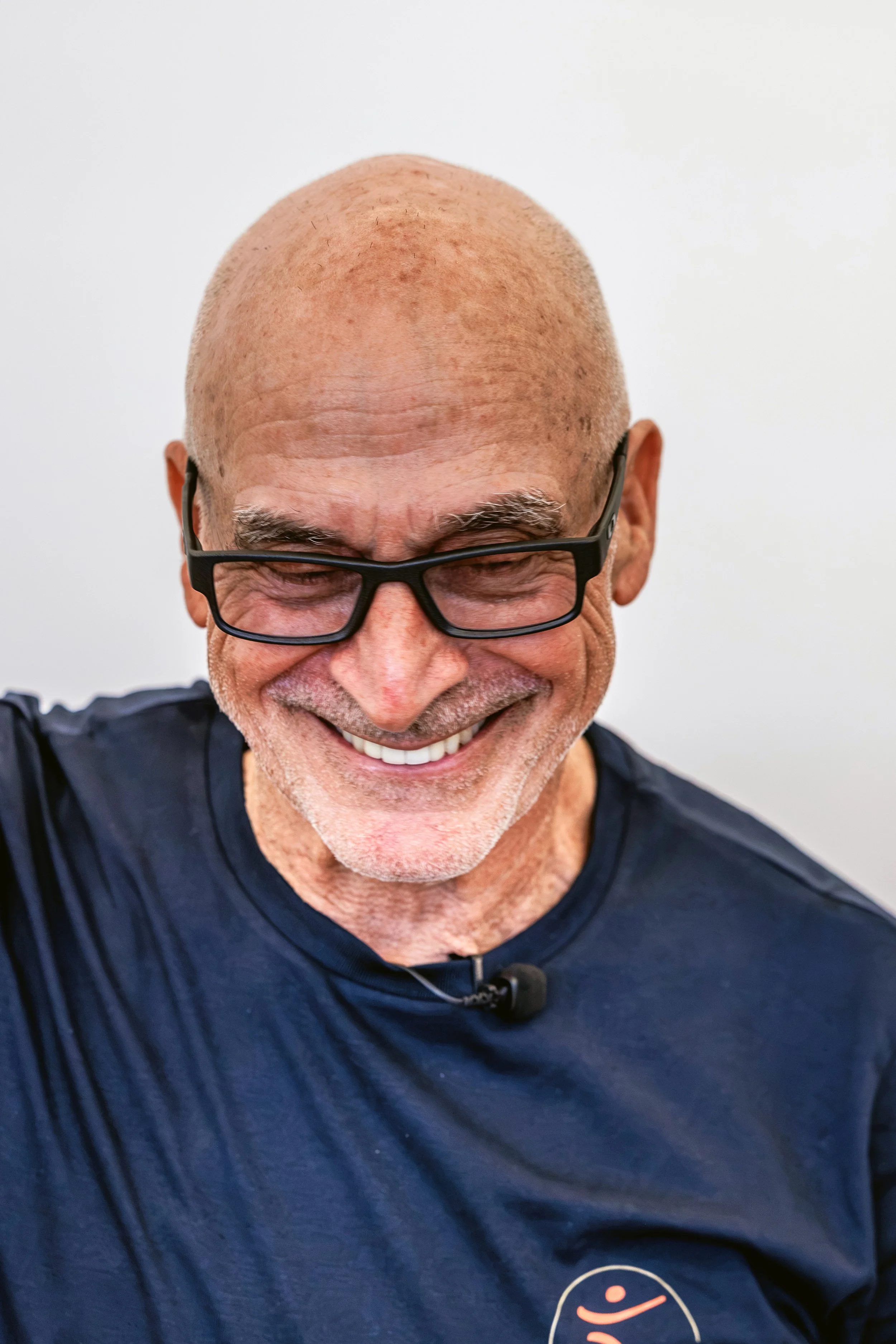
“There are very few willing to immerse themselves in a learning mindset,” he reflects. Such a mindset requires humility: the ability to set aside ego and remain open to discovery.”
He has observed how teachers’ motivations can shift over time. In the early stages, there can be a strong emphasis on performance: achieving a movement, demonstrating skill or mastering something physically demanding. Years later, the same work can become an exploration of something far deeper.
That distinction matters in a program containing a vast amount of highly challenging repertoire. Its value does not depend on the participants being able to perform every exercise. Merely working towards a movement can reveal relationships, principles and possibilities that change how a teacher understands the fundamentals.
“Whether they can do all the very challenging choreography or not, the process provides invaluable insight into the work, including, and very importantly, the fundamental work,” he says.
For teachers, this gives advanced study a purpose that reaches directly into everyday teaching. An exercise they may never fully perform can still deepen their understanding of the work they teach most often.
The greatest change Rael sees in these students that he knows so well, however, is less visible.
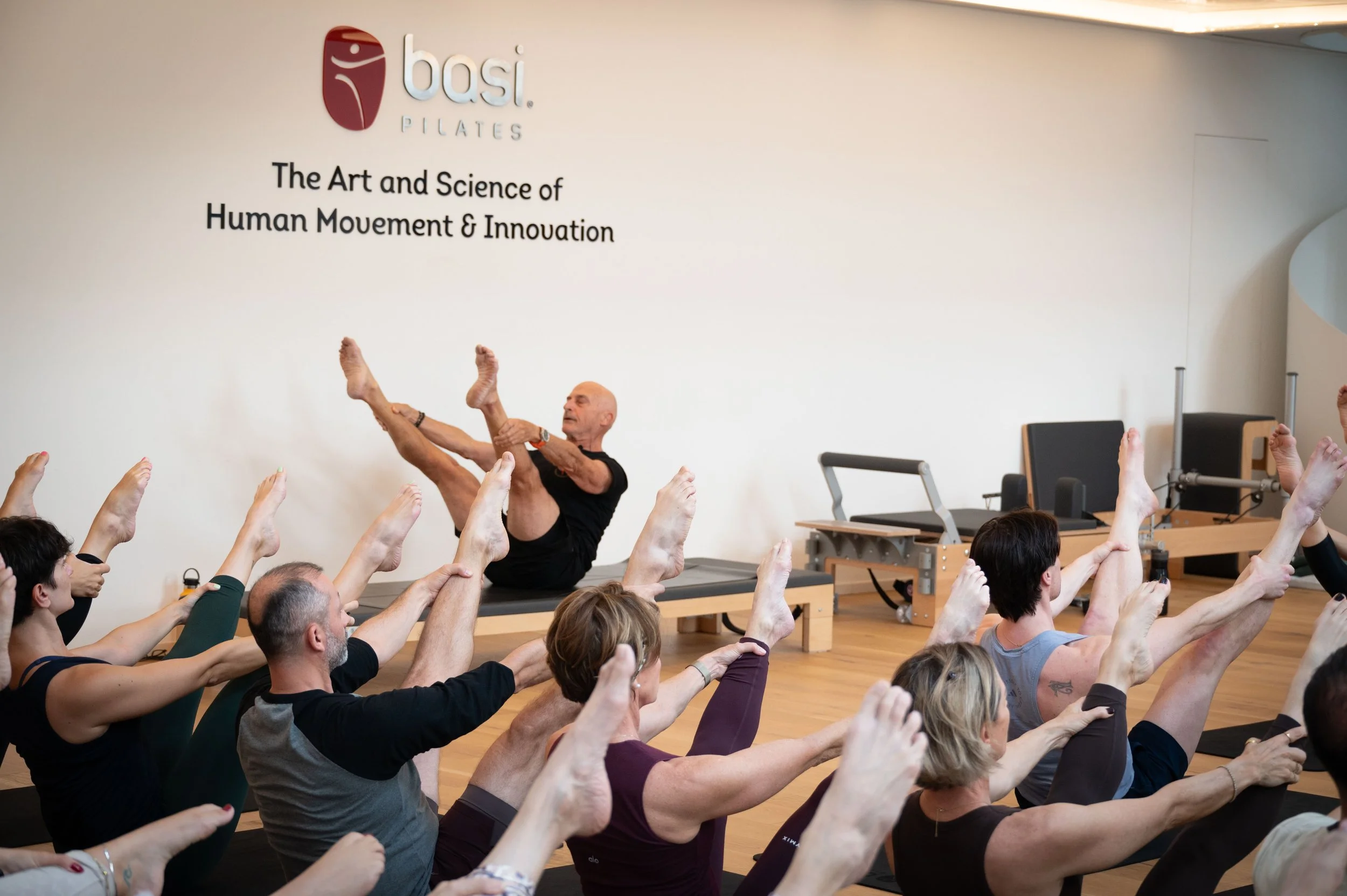
“Yes, their movement undoubtedly becomes more refined and fluid. The lines are more distinct and, in a way, pure. But the greatest shift is from within, not from the outside. It is an inner quality.”
He describes this as a transcendence of ego, and believes it is easily overlooked when the physical exercise takes precedence over the mind-body relationship.
“This is the aspect that is often missed when the mind is neglected in mind-body work. It becomes only about the exercises and not the integration of the whole being.”
The Honors Reunion reinforced his belief in methodical, sequential learning, supported by hundreds of hours of dedicated practice. It also reminded him that learning flows in both directions. Among the participants was Guadalupe Ruiz-Gimenez, a student in her late seventies whom he also regards as a guide and teacher. Her example inspired his workshop, The Power of Aging, and her perspective has helped him through his own moments of crisis.
As BASI prepares for new leadership, Rael’s hope is that participants carry the energy of those three days back into their studios and lives, alongside a sense of responsibility for the work entrusted to them.
The manuals may hold the accumulated material of a long career, but he wants teachers to approach them as a roadmap for their own career’s. The transformation he hopes to encourage will continue through the time they give to practice, the questions they are willing to ask and the understanding they bring to each person they teach.
Rael Isacowitz is one of the most prominent names in the Pilates world and has been a Pilates teacher for over 4 decades. Rael holds a Bachelor of Education from the Wingate Institute, Israel, and a Master of Arts in Dance from the University of Surrey, England. In 1989 Rael founded BASI® (Body Arts and Science International) Pilates, a comprehensive Pilates education organization spanning the globe.
Rael is the author of two highly acclaimed Pilates books, Pilates and Pilates Anatomy (Human Kinetics); the latter co-authored with Karen Clippinger. He spearheaded the development of BASI Interactive software and designed the original concepts for BASI Systems® Pilates equipment. Rael studied from, and taught with, luminaries of the Pilates world including several of the Pilates Elders, among them Kathy Stanford Grant, who Rael regards as his greatest teacher and mentor. In 2022 he was inducted into the PMA Legacy Circle in recognition of his contribution to the Pilates industry.