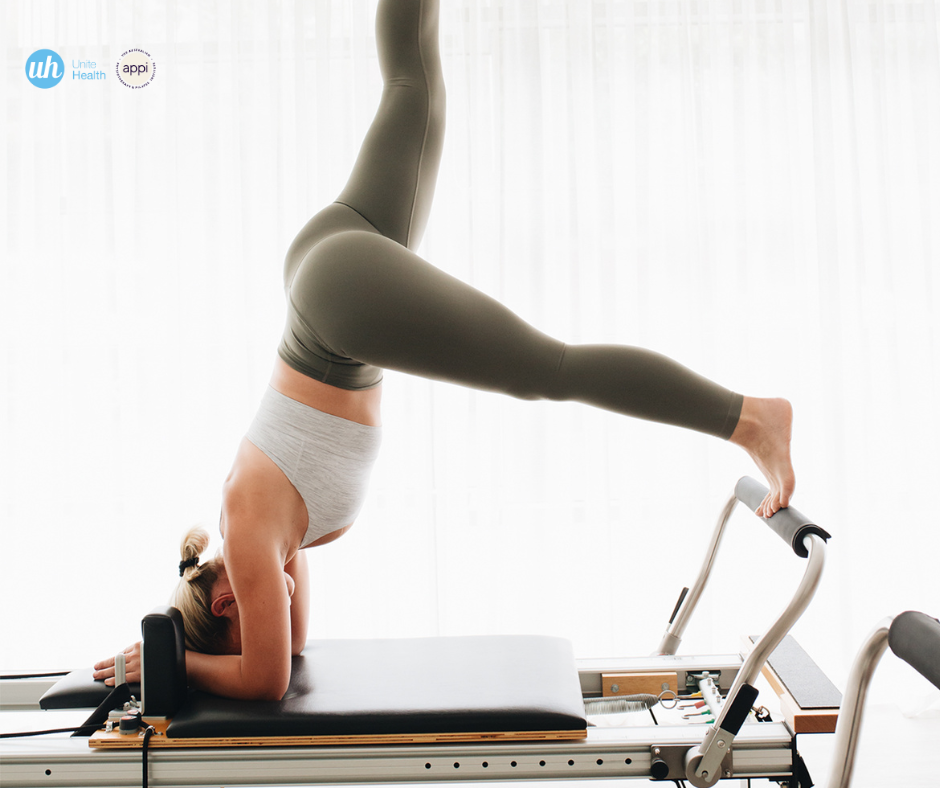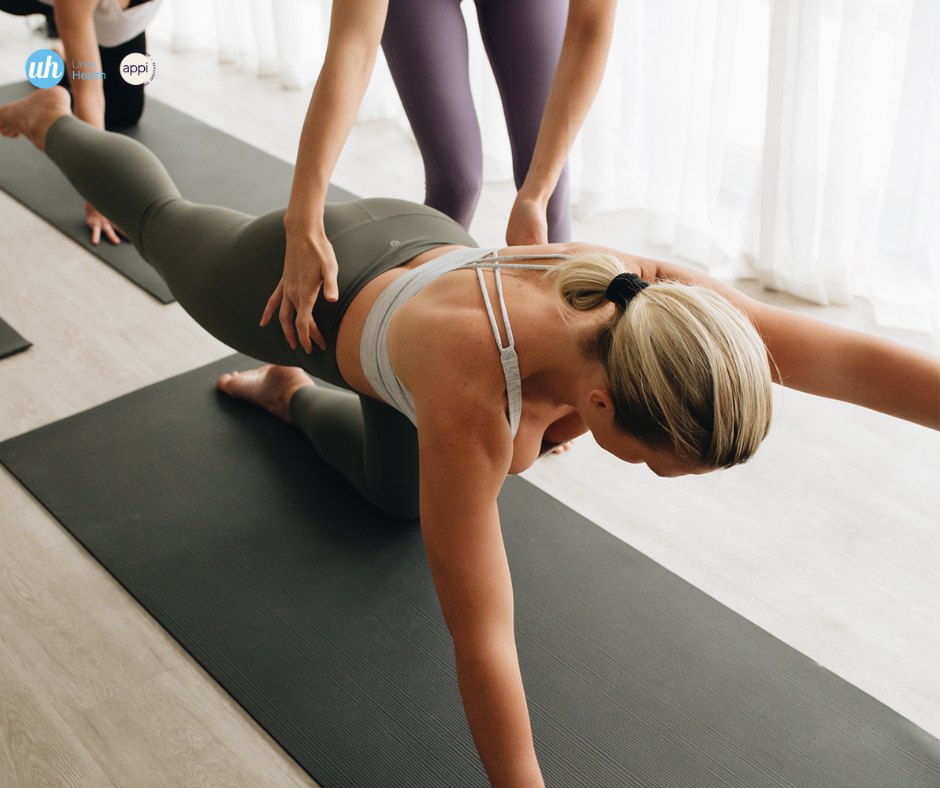
In Pilates, self observation can be considered a form of connection. It is the process of bringing all the fragments of practice together - technique, awareness, and intention - to create effective, integrated movement.
At Unite Health, this approach is built into the foundation of our APPI Pilates teacher training. The APPI 5 Key Elements - breathing, centring, rib cage placement, shoulder blade placement, and head and neck placement - provide a clear framework for understanding movement and teaching it with purpose.
Breathing: The anchor of awareness
Every movement intertwines with the breath.
In the APPI Method, breathing is an active tool. Breath provides access to the deeper stabilising muscles of the trunk, it can also be the rhythm that helps to steady the mind and prepare the body for controlled, conscious motion.
When instructors and students use the breath intentionally, movement becomes more efficient and awareness increases.
Centering: Strength from the inside out
Centering as a concept encompasses deep core muscles activation, the connection to an efficient breath pattern and an appropriate spine and pelvis position to support the intended movement.
It is the link between these concepts that can create a sense of stability from within. A proficient breath pattern allows for coactivation of the deep stabilisers of the abdomen, spine, and pelvic floor. An optimal starting position allows for the body to function with more balance and control.
Rib Cage Placement: The bridge between breath and movement
The rib cage is not a rigid frame but a dynamic bridge connecting the upper and lower body. Its position has a powerful influence on breathing, spinal alignment, and core activation.
When the ribs sit in balance over the pelvis, the diaphragm moves freely and breath flows with ease. This balance supports both posture and movement efficiency. If the rib cage lifts or flares, the connection to the centre can be lost and the breath may become shallow. The goal is the middle ground; a soft balance that allows expansion without rigidity.
For instructors, rib awareness is a practical cue for linking breath to movement and improving control. The ribs respond to breath, they expand and settle in rhythm, reminding us to teach with fluidity, not fixation
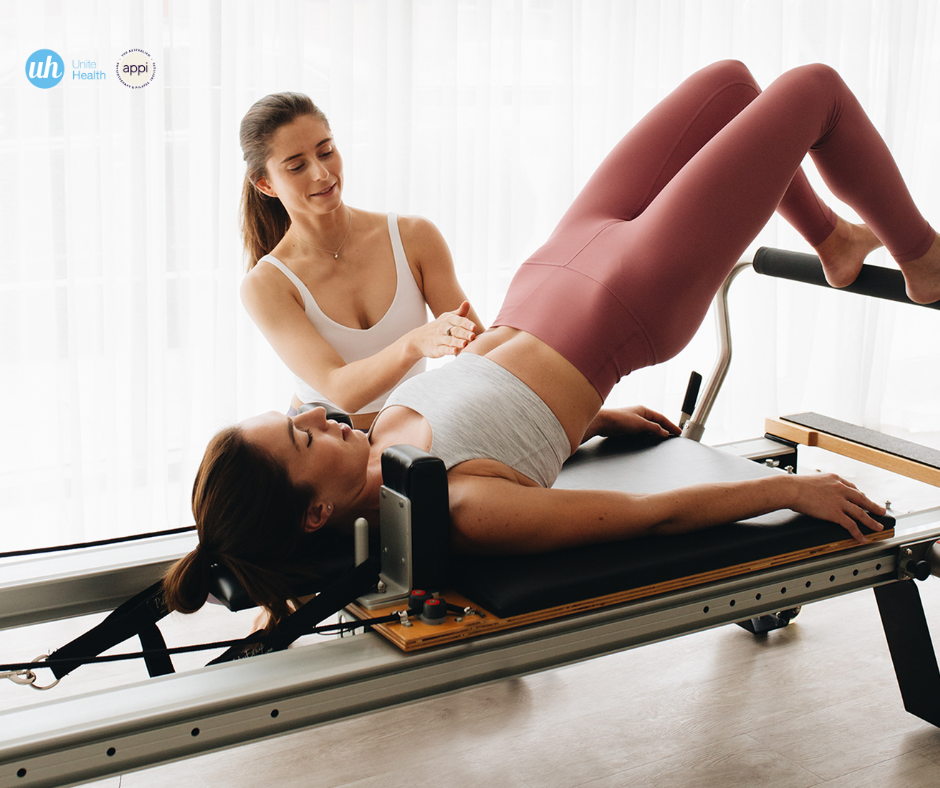
Shoulder Blade Placement: Building a stable base
The shoulder blades provide the foundation for arm movement.
When the shoulder blades rest gently on the rib cage, not forced down but supported, the arm movement is in turn more efficient and coordinated.
This awareness also reminds us that strength does not come from gripping or strain. By letting go of unnecessary effort we can invite ease into every action.
Head and Neck Placement: Completing the Chain
Head and neck alignment complete the chain of integration.
When the head aligns with the spine and the neck maintains its “natural curve”, deep spinal stabilisers are activated, tension may ease through the upper body and breath can flow more easily.
Optimal alignment is not just aesthetic; it is functional. Cueing small adjustments, such as “imagine a piece of string lifting from the crown of the head” can distribute effort evenly, improve posture and encourage length through the spine.
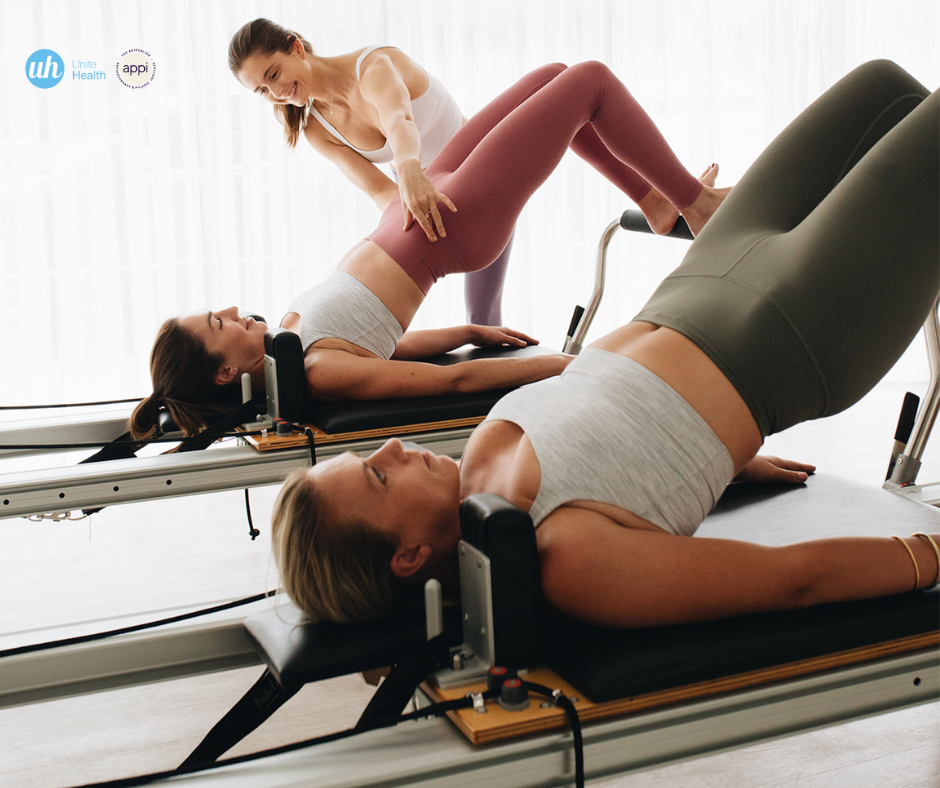
Integration in Practice
The APPI 5 Key Elements are practical tools that guide movement and teaching.
When instructors cue from these elements, they help clients move with awareness, efficiency, and control. It’s about understanding how each part of the body connects to the next, creating movement that feels coordinated and balanced.
For new teachers, mastering this framework builds confidence and clarity. For experienced instructors, it’s a reminder to return to the fundamentals that underpin every class.
Integration is ongoing. It’s about constantly refining how we move and how we teach - coming back to alignment, awareness, and connection.
Self-observation is an effective place to start.
——————————-
About Unite Health
Unite Health is Australia’s leading Pilates educator and the exclusive provider of APPI Pilates training, an evidence-based method developed by physiotherapists and allied health professionals.
Through Unite Health, you’ll gain globally recognised APPI certifications that are trusted by studios and employers in over 30 countries around the world.
Learn more at unitehealth.com.au