
The Soft Skills That Matter
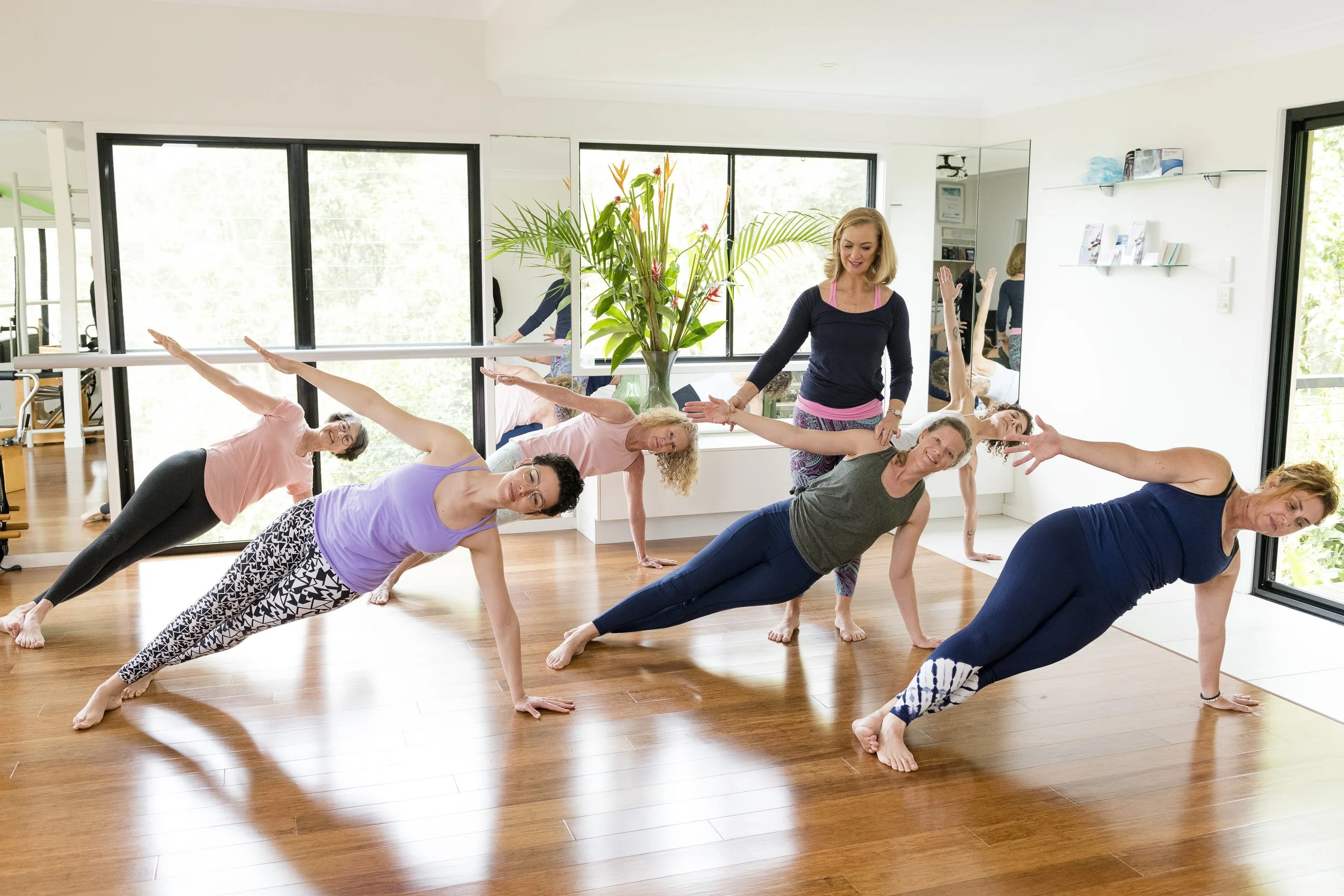
After decades of teaching, mentoring and learning, one truth stands out: it’s not just what we teach in Pilates, it’s how we teach it. Sure, we all need to understand anatomy and biomechanics, be fluent in cueing, and confident in the repertoire. But what truly elevates an instructor is their ability to connect, communicate, and inspire with intention.
In every class I teach, I see how much the "soft skills" matter. They’re the invisible threads that turn a Pilates session into something much more than exercise, they create an experience that moves body, mind and spirit. Below are some of the most important elements I’ve learned to cultivate over the years.
Your Environment Is Your Silent Partner
A Pilates session can be an hour of physical activity… or it can be a carefully crafted movement experience. The difference? Environment.
As instructors, we are the designers and facilitators of the entire experience. Think about your layout: does every client have enough space? Can they see you clearly? Is your room cluttered or calm? Consider what clients see when lying supine, are they staring into bright fluorescent lights or a serene ceiling?
Soft lighting and gentle background music can work wonders to shift the nervous system and elevate the mood. The temperature should be comfortable, and air flow should be fresh.
Even your flooring matters. Is it clean, comfortable, free from hazards? These may seem like small details, but they set the tone for everything that follows.
Communication Is a Full-Body Experience
Communication in Pilates isn’t just what we say- it’s how we say it, how we look when we say it, and the energy we bring into the room. It’s a feedback loop, a dance between you and your clients. Allow them the opportunity to ask questions, and offer explanations and feedback.
Voice modulation matters. The tone we use can support the intention behind the movement. Soft, internal exercises call for a gentle, calm tone. High-energy or global movements benefit from strong, directive language and presence. Think about how your voice mirrors the movement- when shoulder blades are gliding, your voice should too.
And body language? That speaks louder than any cue ever could. We’ve all heard Paul Watzlawick’s famous words: “You cannot not communicate.” Clients are constantly reading our posture, facial expressions, and energy.
In fact, studies show that:
55% of communication is body language
38% is the tone and modulation of your voice
Only 7% is the actual words you use
In other words, how you show up matters greatly.
Language That Lands
As instructors, our job is to make movement accessible and meaningful. That means translating anatomical language into something digestible for everyday people. Many clients may not know where their “scapula” is - but they’ll understand “shoulder blades.” Once they understand how their shoulder blades move we can drip feed them more complex anatomical language.
We also need to read the room. Your Tuesday night footballers probably won’t resonate with balancing an imaginary teacup on their pelvis. And animal lovers won’t appreciate metaphors involving impaled butterflies! Use imagery that’s relevant, inclusive, and educational.
We’re not dumbing things down—we’re lifting people up. Clients become more engaged when they understand the why behind what they’re doing.
Watch out for negative instructions too. As instructors we are very good at telling clients what ‘not to do’. It helps to know what we are striving to achieve in our bodies, and work towards the positive instead of avoiding the negative. There is a significant difference.
Teaching the Whole Class
A great Pilates class honours different learning styles. Some clients are visual- watching your every move. Others are auditory - hanging on every word. Many are kinaesthetic - learning through feel and sensation. And most use a combination.
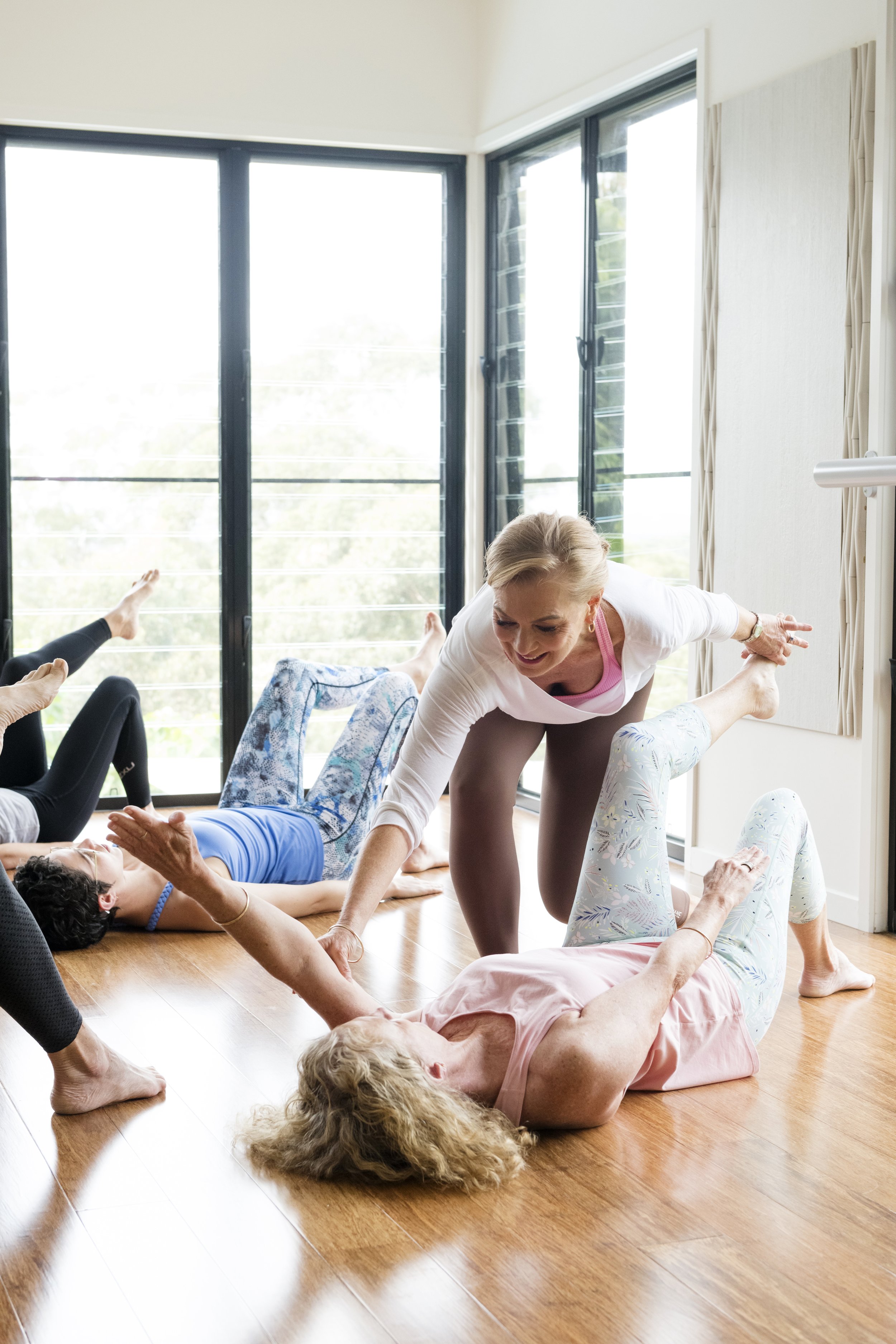
This is where variation in cueing becomes critical. Use tactile feedback, imagery, demonstrations, and clear verbal cues. Provide opportunities for clients to ask questions. Encourage reflection. Allow silence. Adult learners thrive when they’re seen, heard, and included in the process.
One of the most powerful tools we have as teachers is feedback - both giving it and receiving it. Ask clients how things feel. Notice what lands and what doesn’t. Observe when performance improves… and when it falters.
Once your participants have gained an understanding of an exercise it might be time to change your teaching strategy. Studies show that a group of clients who were given plenty of information and feedback during sessions performed the exercises better than clients who had less information.
However, this was only true whilst they were following instructions. Their performance deteriorated when no instructions were given. This means that a combination of teaching methods may lead to a more successful long term outcome for clients.
Understand the different learning styles
In any group class, you’ll likely be teaching a mix of learning styles, so it’s essential to vary your cueing:
Visual learners need to see the movement - your form must be clear and accurate.
Auditory learners rely on hearing - use clear, well-paced verbal instructions.
Kinaesthetic learners learn by feeling - allow time, stillness, and use tactile or imagery-based cues.
Most people use a combination of styles, often favouring one. In Pilates, developing a strong kinaesthetic sense is especially helpful. Remember: how someone takes in information may differ from how they process or apply it. Teaching with this in mind helps make your sessions more inclusive and impactful.
Confidence Without Ego
Confidence as an instructor doesn’t come from knowing it all, it comes from being comfortable with what you do know, and being open to growth. It’s about owning your presence, being grounded in your values, and caring deeply about your clients’ progress.
This means managing the energy of the group, acknowledging different personalities, and building rapport. Greet everyone. Make newcomers feel welcome. Mirror clients’ tone and body language to build connection.
When tensions arise and they will it’s our role to read the group, adjust the pace, adapt the structure, and keep the mood positive but focused.
Maintaining a Balance
The secret of effective teaching is to maintain a balance. However, ‘balance’ resides in the perception of the participants rather than in outside reality.
Does that mean being an exceptional Pilates Instructor means you’re a bit of a mind reader, absolutely, we do have extraordinary skills as Pilates Instructors, never take for granted the importance of your role and the positive impact it has on all those who come into your classes.
“Simply be the best you can and truly care about your clients! And, most importantly enjoy what you’re doing, as your passion as an instructor feeds the enthusiasm of your clients.”
Teaching Tools
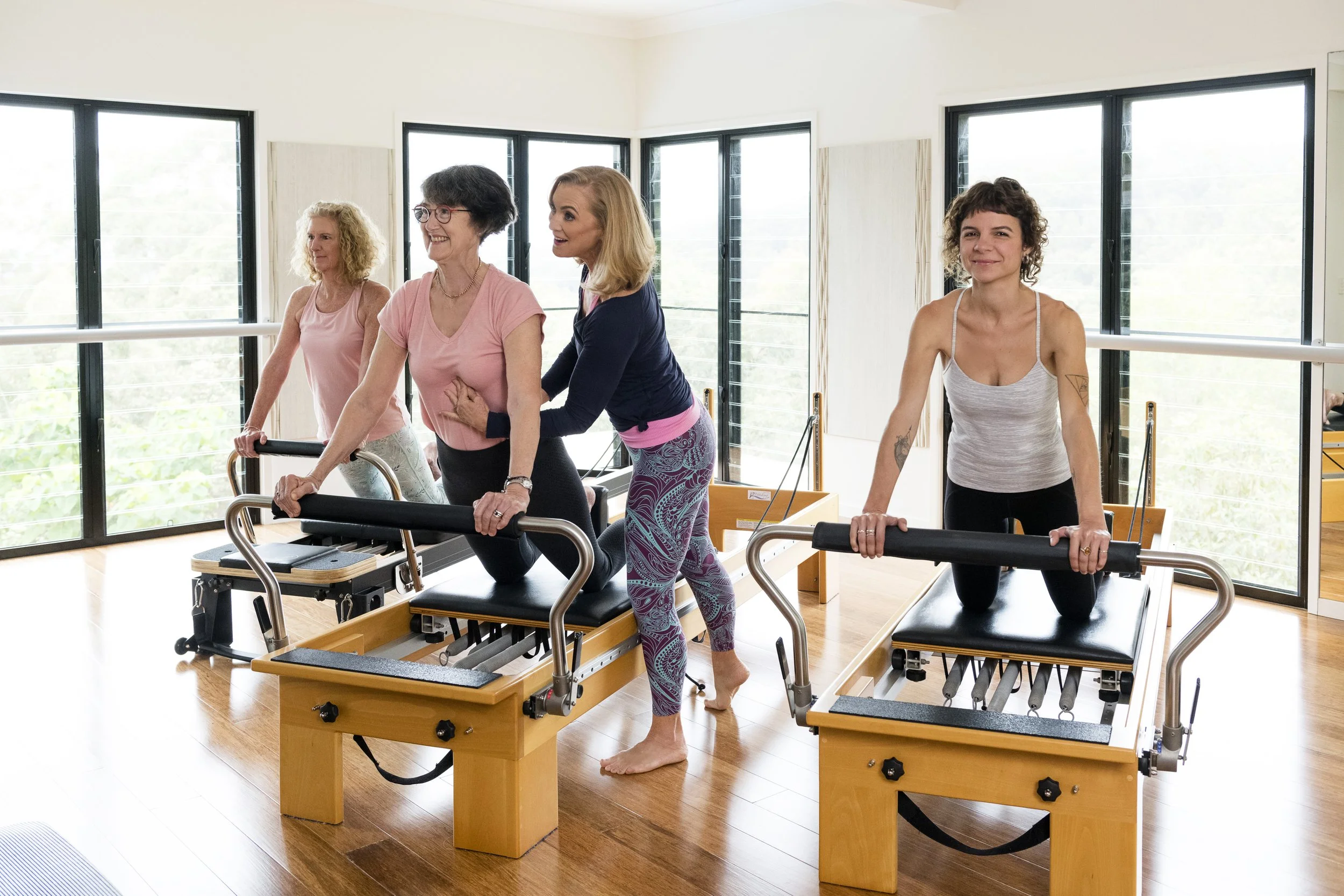
Instructing clearly and precisely is an important factor in a Pilates session, therefore preparation will take some time when you start teaching. At the beginning of your career as a Pilates practitioner it is useful to follow structured plans and use some of the following tips to aid you in your journey. At Tensegrity Training we provide students with the Tensegrity System of Pilates Instruction – The 8 Part Plan. Following a systematic plan ensures your classes are always varied, technically explicit, have fluid transitions and work the entire body in one full body integrated session.
Note one technical, one kinaesthetic, one imaginary and one tactile cue to each chosen exercise in your session plan.
Start your sentence with "Inhale to prepare, breathe out to...”.
Cue the exercises when you practice for yourself. Participate in sessions regularly and after the session note the instructions that worked for you and those that didn’t.
It may be challenging to see a recording of yourself, but it’s a great learning tool to optimise your technique and teaching skills.
Ask your clients for feedback.
During the Session
When you start to teach Pilates sessions you will more likely join your clients for most of the exercises. This is fine, as most beginners rely on the teacher for visual learning. It is also good for you, as it will help you cue from what you experience at the time. However, the more you teach the more you will be walking around tactile cueing your students.
Your clients will most certainly appreciate your observation of their performance.
Managing Different Personalities in Class & avoiding Group Tensions
When teaching new instructors or students I employ a method suggesting six critical tensions within any small-group activity, which can be a powerful tool in enhancing or destroying the effectiveness of the class. These tensions are identified in the following behaviourally-anchored rating scales:
Structure: How rigidly or flexibly should the group session be implemented?
Setting the rules of engagement
Pace: How rapidly or leisurely should the group session be implemented?
How to pitch the level of difficulty of the class to suit all/most/some of the participants
Interaction: How do group members relate to each other?
Encourage interaction between participants, introduce new comers and make them feel welcome
Focus: Which is more important, a positive procedure or efficient results?
Keep the class interesting, playful, and creative while focusing on the goals and outcomes of the class
Concern: Are we most concerned about individual or group needs?
Greatest skill of an instructor is to be able to focus on individual needs together with the overall group needs
Control: Where should group members look for direction and validation?
Be open to client suggestions and feedback whilst maintaining your role as the group facilitator in a teaching role
Tracey Nicholson is the Director of TENSEGRITY TRAINING an RTO that offers several different levels of training to help you at any stage of your career in Pilates.
Dr Ruth Young is a Pilates instructor, student mentor, and assessor for Tensegrity Training. In her spare time, Ruth manages her own business providing Pilates classes as part of employee wellness programs.
Ruth obtained her Phd in Cognitive Psychology looking at how we process facial expressions (happy/sad/angry/etc). She studied Pilates because she loved the experience in her own body and hoped it would allow her to work flexibly while still home full time with her young children.