
Pilates has never been more visible. Studios are thriving, online platforms are multiplying, and teacher training programmes are more accessible than ever. On the surface, this growth is something to celebrate. Yet beneath the expansion, I believe we are standing at a critical point in our profession.
After more than sixteen years working across clinical physiotherapy, Pilates education, and global curriculum development, I’ve observed a growing tension. While we are producing more teachers than ever before, depth of understanding does not always expand at the same pace. Many teachers can confidently deliver exercises, yet still struggle with the deeper layers of the method- understanding not just what to teach, but why they are teaching it, what they are aiming to change, or how those choices evolve across a client’s lifespan.
This raises a question that may feel provocative but is ultimately constructive: Are we teaching exercises, or are we teaching Pilates?
Are we preserving the integrity of Pilates as a method- or increasingly delivering well-branded choreography?
Choreography vs. Method
There is nothing inherently wrong with choreography. Thoughtful sequencing, creative transitions, and engaging class design motivate clients, enhance enjoyment, and support business growth.
But Pilates was conceived as a method, a system built on principles, progression, and purpose. When we teach choreography without anchoring it in these principles, we risk reducing Pilates to aesthetic movement rather than intelligent movement.
Teaching Pilates means understanding why a foot position matters. Why breath influences load transfer. Why tempo alters neuromuscular demand. Why an exercise might be appropriate for one body and not for another. It requires clinical reasoning, the ability to assess, hypothesise, and adapt.
The distinction is subtle in delivery, but profound in impact.
From Classical Roots to Contemporary Practice
The foundations laid by Joseph Pilates were innovative for their time. His work was influenced by gymnastics, martial arts, rehabilitation principles, and his observations of movement efficiency. As the method evolved, so too did our understanding of biomechanics, motor control, pain science, and rehabilitation.
Contemporary Pilates is not a betrayal of classical work, nor is classical inherently superior. Rather, contemporary practice reflects an evolution informed by research and broader movement science. Concepts such as load management, fascia research, neuroplasticity, and variability in motor learning have strengthened many original principles. This in combination with modifying for injury and ability brings greater accessibility, safety, and relevance to a wider population while still honouring the core intentions of the original method.
Science should refine our application of Pilates principles, not replace them, and certainly not oversimplify them.
The Gap Between Knowing and Understanding
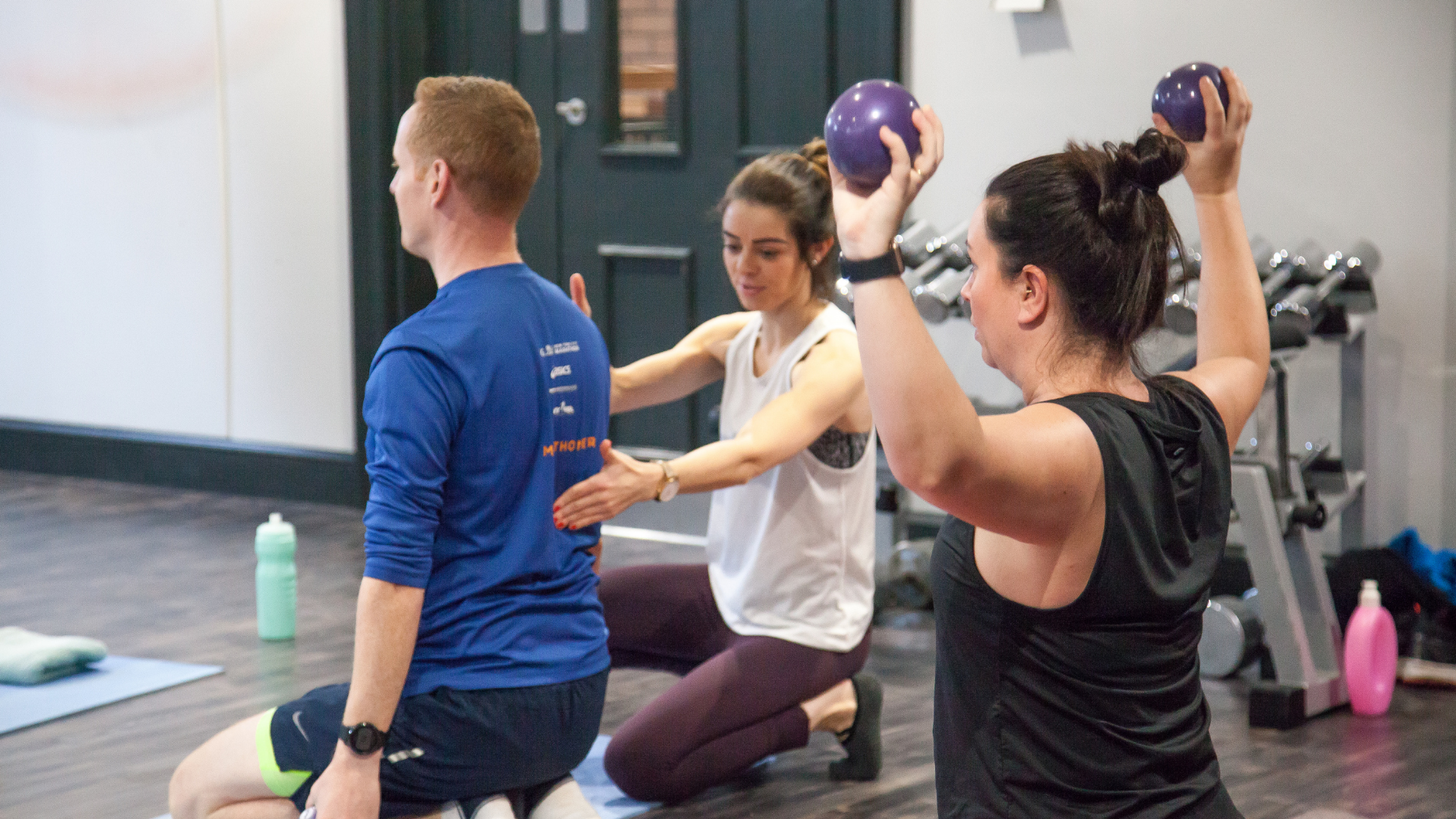
One of the most concerning shifts I’ve observed is the widening gap between knowing exercises and understanding principles.
Knowing exercises is finite. You can memorise repertoire.
Understanding principles is expansive. It requires you to ask:
What adaptation am I seeking?
What system am I targeting?
How does this client’s history influence my choice?
What regression or progression serves them best today?
Without this depth, teachers can feel confident in general populations but uncertain when faced with complications such as injuries, chronic pain, hypermobility, osteoporosis, or post-surgical rehabilitation. In these situations, understanding becomes essential. This ultimately impacts client safety, teacher confidence, and credibility of the profession.
A Commercial Crossroads
Growth brings opportunity, but it also brings commercial pressure. Shorter trainings, faster certifications, trend-based programming, and social media aesthetics can all contribute to visibility. Yet if depth quietly erodes, we risk diluting what makes Pilates powerful in the first place.
Pilates has remained relevant because it is adaptable, intelligent, and principled. If it becomes defined primarily by choreography and branding, it may thrive commercially in the short term but lose professional authority over time.
Raising the Standard
This reflection is not a criticism of new teachers, nor of innovation. It is a call for professional maturity.
As teachers and educators, we must ask more of ourselves and our students. Understanding where the method came from prevents us from reinventing it superficially. Understanding how research applies - and where it doesn’t - protects us from oversimplification.
These reflections were central to what led me to write Science of Pilates. The intention was always contribution - to bridge the gap between classical foundations, contemporary science, and practical application. If Pilates is to continue evolving with integrity, our educational standards must evolve alongside it.
Are we teaching exercises or are we truly teaching Pilates?
Ultimately, teaching Pilates means teaching thinking.
It means cultivating observation skills. It means progressing and regressing with intention. It means understanding that principles, breath, control, precision, centering and flow are not aesthetic cues, but physiological strategies.
Pilates is not defined by the equipment, choreography, or branding. It is defined by how and why movement is taught.
We are at a pivotal moment. The choices we make now as educators, studio owners, and as teachers will shape the profession’s future credibility.
So the question remains, are you teaching exercises or truly teaching Pilates?
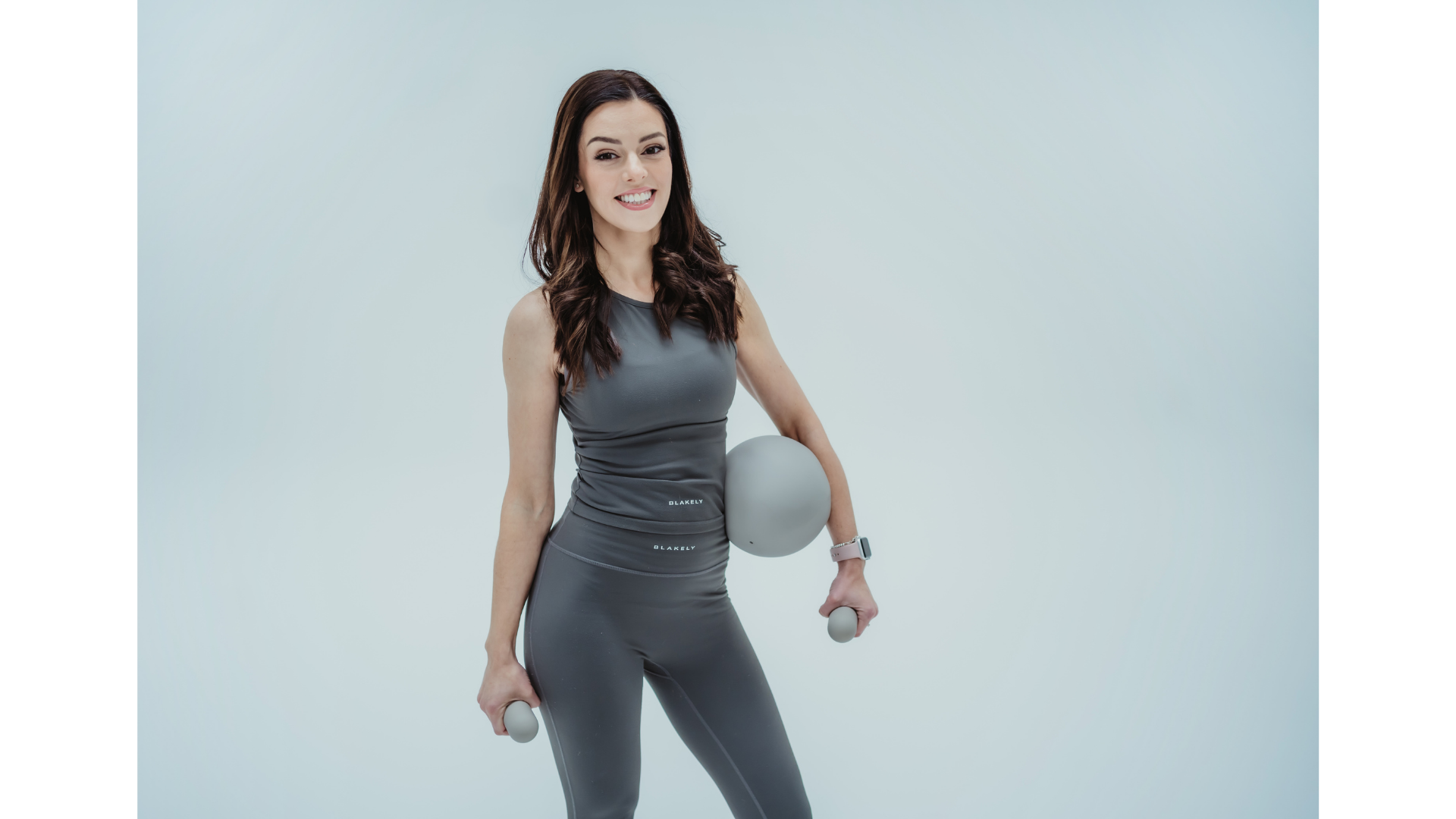
With a first-class degree in Biomedical Science and a Master’s in Physiotherapy, Tracy then trained with Australian Physiotherapy & Pilates Institute (APPI) 16 years ago and has integrated Pilates into her clinical practice ever since. Beginning in rehabilitation, she worked with diverse injuries and conditions before expanding into performance, health, and longevity-focused Pilates. She progressed to Senior Presenter and became APPI’s first ever Global Education Advisor, rewriting certification programmes and embedding evidence-based science into their global curriculum.
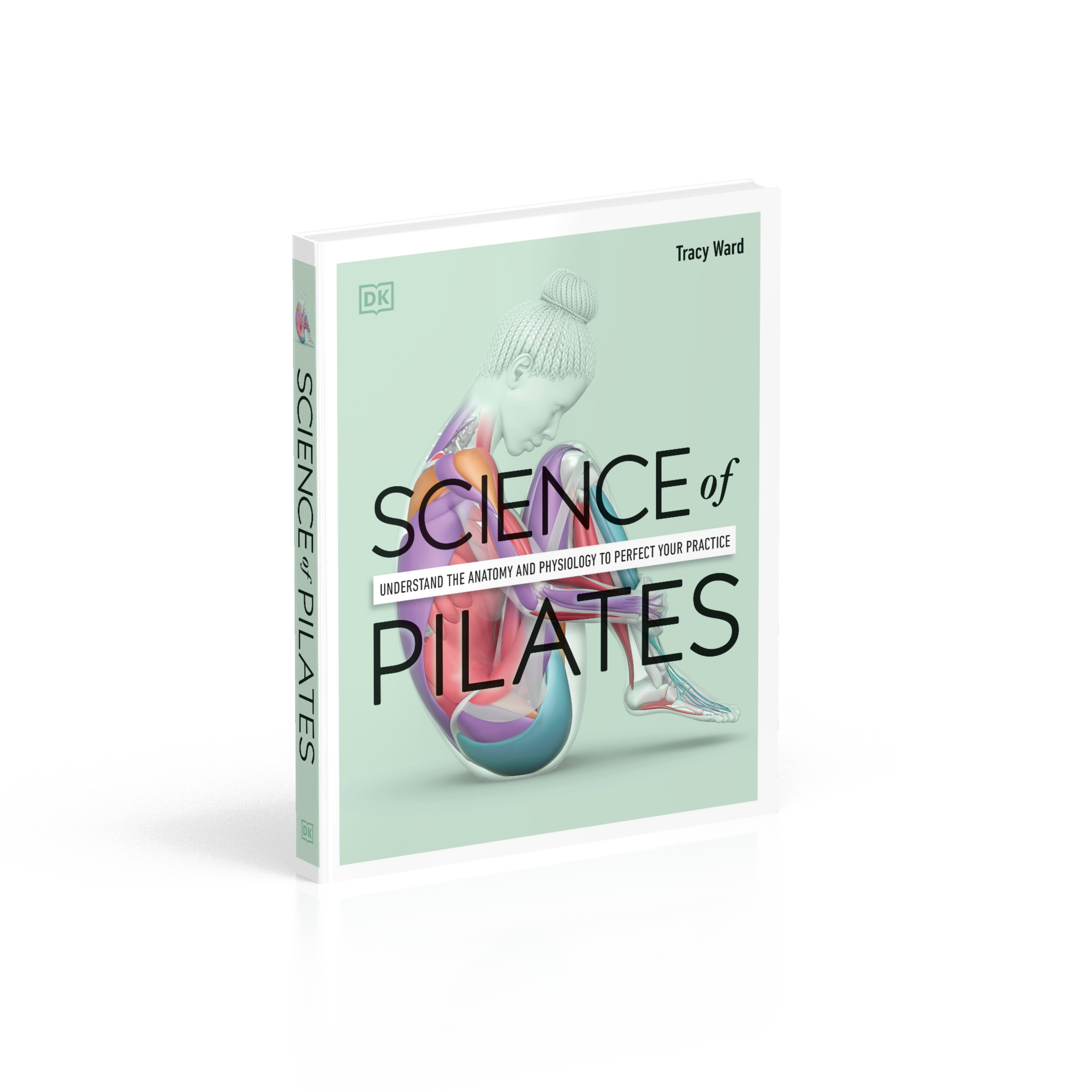
Science of Pilates
Recognising a gap between exercise delivery and true clinical adaptation, she wrote her book Science of Pilates to bring a deeper understanding of Pilates to everyone in one comprehensive resource. Find out more here.