
An Open Letter to the Future of Pilates
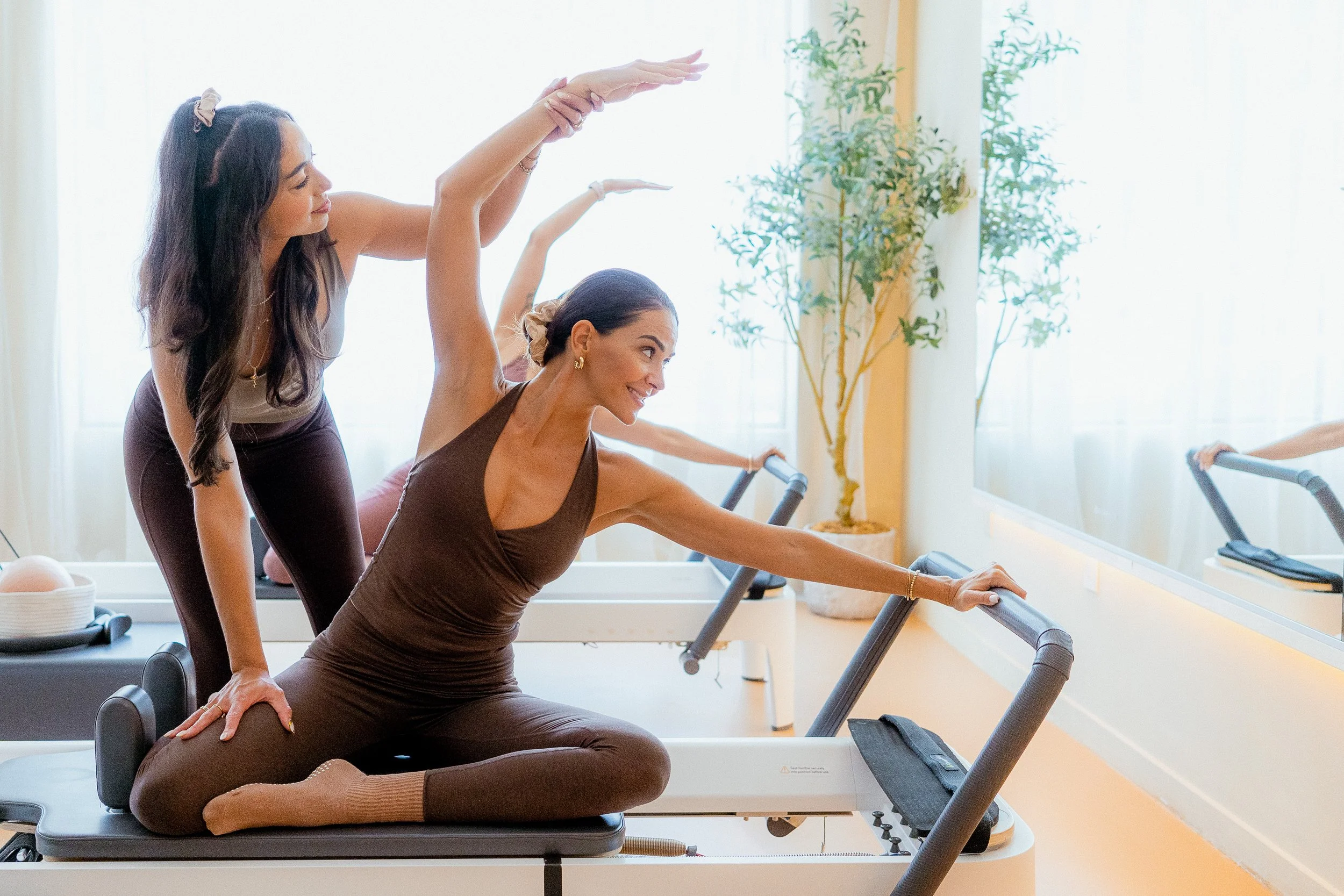
Right now, Pilates is growing faster than ever, and I think a lot of people in the industry are feeling both excited and concerned at the same time.
On one hand, more people are discovering Pilates than ever before, which is amazing. New studios are opening every day, more teachers are entering the industry, and more people are experiencing the benefits of the method for the first time.
I really do believe Pilates is for everyone. It’s one of the best forms of movement because it’s mindful, low impact, and adaptable to different abilities, injuries, and life stages. Seeing more people experience that is incredibly rewarding.
At the same time, I think many of us feel protective of the method and the quality of teaching as the industry scales. There has been a shift from studios being opened primarily by teachers who were deeply passionate about the work to, in some cases, businesses being built primarily around rapid growth and profitability. When growth becomes the only focus, quality can suffer. Teacher trainings may become too short, standards can become inconsistent, and education may be treated more as a revenue stream than a responsibility. Ultimately, I think the industry wants to find a balance: embracing the opportunities that come with growth while protecting the depth, rigor, and care that make Pilates so impactful in the first place.
“I think the industry wants to find a balance: embracing the opportunities that come with growth while protecting the depth, rigor, and care that make Pilates so impactful in the first place.”
I think the key is that we don’t make this conversation about who is doing Pilates “right.” We make it about what the industry needs as it grows.
For me, responsible growth means making sure the quality of teacher education keeps pace with the growth of the industry.
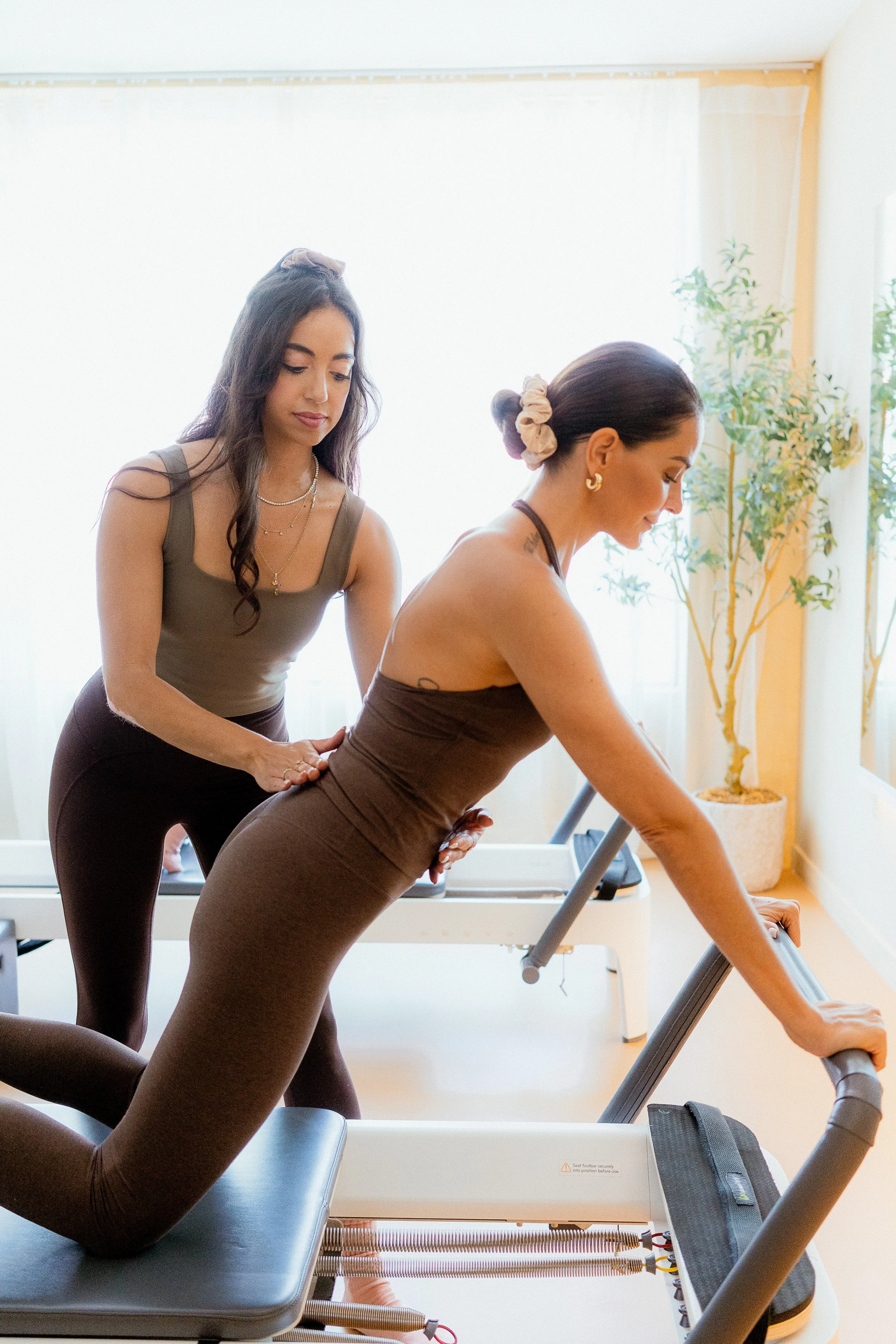
Pilates is nuanced, and teachers need a strong foundation in anatomy, movement principles, cueing, modifications, and apparatus work in order to teach safely and effectively. Clients are trusting instructors with their bodies, and that responsibility should always come first. Unlike many other fitness modalities, Pilates equipment involves complex spring-based apparatus that can cause serious injury if not used correctly, so safety has to remain a priority.
The trend towards shorter certification programs that rush students through the process is irresponsible to teachers who won’t be adequately prepared to teach and to clients whose experience of the method will be less than enjoyable.
As the industry grows, there is a real opportunity to create stronger and more consistent standards around education and certification so clients can trust they are receiving safe, high-quality instruction no matter where they practice Pilates. This is critical to preventing injury and preserving what makes Pilates so valuable in the first place.
A high-quality Pilates education requires extensive hours from both students and educators both inside and outside the classroom. A thorough curriculum should cover not only the exercises themselves but also anatomy, movement science, equipment safety, and programming structures for group and private sessions. Extensive hours requirements for students including observation, practice teaching, taking classes, and an apprenticeship helps ensure teachers have a solid understanding of the method and how to apply it. Comprehensive training programs should be a significant investment because they are preparing teachers to work responsibly with people’s bodies.
At the same time that we focus on higher standards for Pilates education, we need to ensure that quality education remains accessible.
For me, the opportunity isn’t about reducing the rigor of education, but finding more ways to make high-quality education accessible. Payment plans, scholarships, and other support pathways can help more people enter the profession while still maintaining the level of quality and care the industry needs.
We should not have to choose between access and excellence.
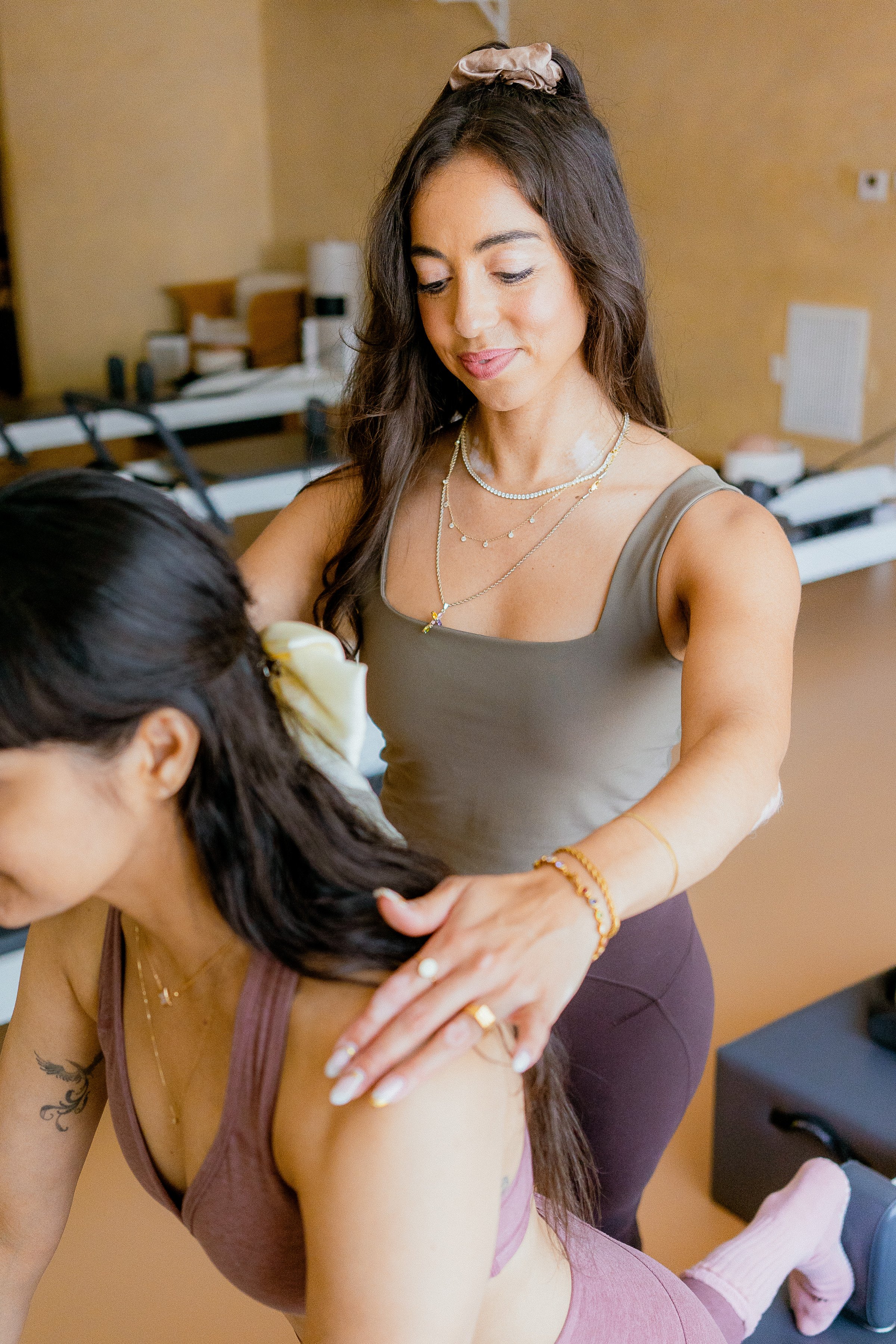
The best teachers are lifelong students who prioritize their own practice to keep evolving, improving, and ultimately providing better care for their clients.
Teacher training programs provide the foundation, but so much of becoming a great teacher happens after certification. It happens through experience, observation, asking questions, refining your eye, and learning how to work with real people and real bodies. It also happens through continuing education like mentorships, workshops, conferences, watching videos online, or simply taking other instructor’s classes.
It’s important that the next generation of Pilates instructors enters the industry with patience and humility. Becoming a great teacher takes time. The most rewarding opportunities, better pay, and more ideal schedules come with time, consistency, and proven skill. Pilates is not simply about teaching exercises that look good on social media. At its core, it’s about helping people move and feel better, and that responsibility deserves care, curiosity, and a commitment to ongoing growth.
As for the wider industry, I think we need more collaboration and less competition. Pilates can sometimes feel divisive, but community is what will help teachers stay inspired, avoid burnout, and build long-term careers. There is room for all of us to succeed. One studio or teacher doing well does not take opportunities away from someone else. The more we support one another, share knowledge, and create stronger communities, the healthier and more sustainable the profession will be.
The future of Pilates will not be shaped by how quickly the industry grows, but by how well we prepare the teachers leading that growth.
And that is something worth investing in.
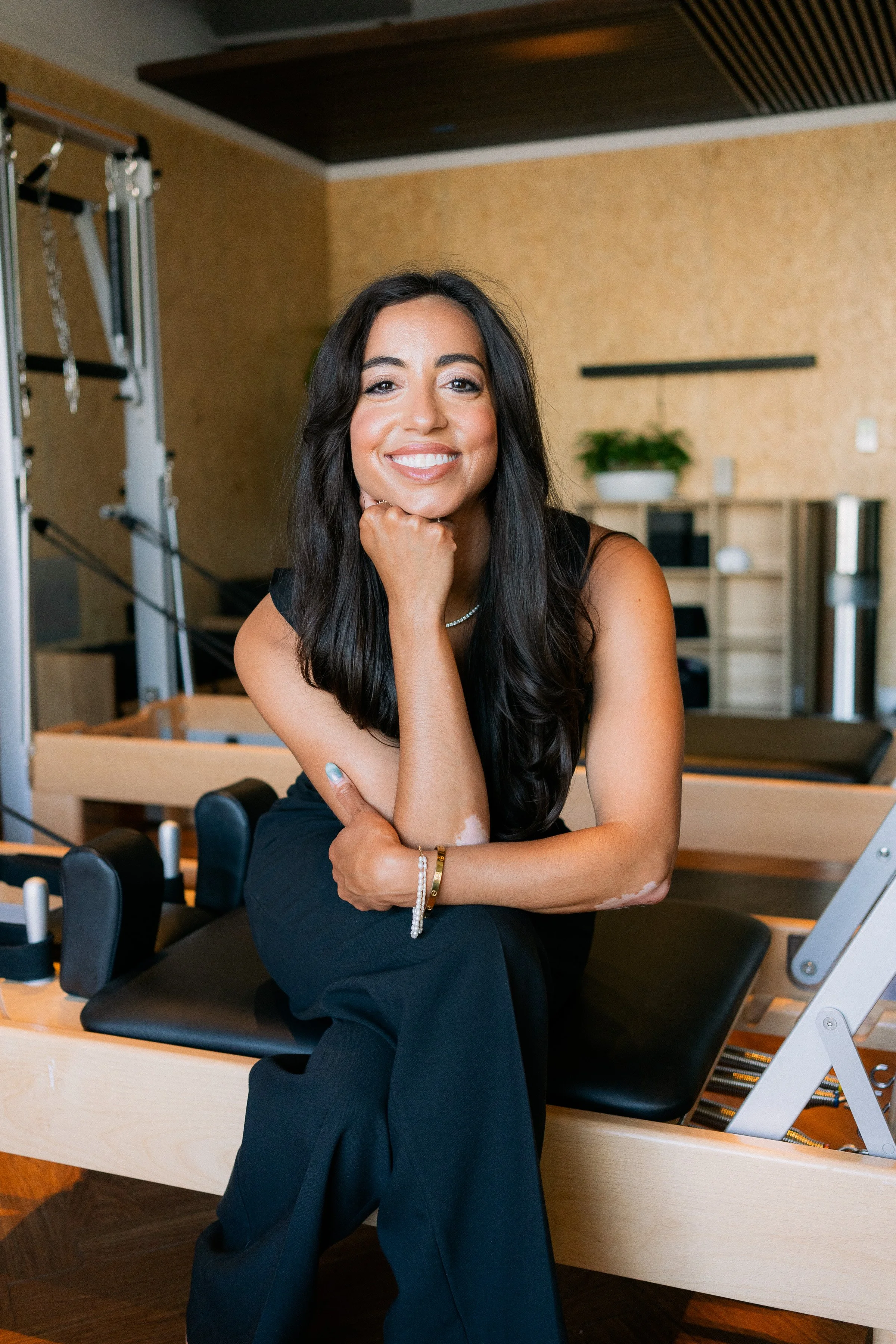
Erica Bell
Erica is a Pilates instructor, educator, and mentor with 13 years of teaching experience and a specialty in prenatal and postnatal movement. After running a fully booked home studio outside Detroit, she relocated to Los Angeles, where she trains clients in her home studio and teaches workshops for teachers across LA, including her very own Pre and Postnatal Certification that’s NCPT approved. She also offers mentorships for teachers and is the founder of Pilates Cult, a first of its kind inclusive community for Pilates teachers. She is comprehensively certified through STOTT, has completed a classical bridge program, and is a Nationally Certified Pilates teacher. Find out more: https://www.erica-bell-pilates.com/