
Why What's in Your Activewear Matters
Olympic swimmer Bronte Campbell is helping lead a new conversation about activewear - one that goes beyond performance and encourages us to rethink what we wear every day.
Pilates professionals spend their days helping people move better. They think carefully about exercise, nutrition, recovery and increasingly the products they put on their skin. Yet there's one question many of us have never stopped to ask:
What are the clothes we spend hours teaching in actually made from?
For years, the conversation around health has centred on what we eat, how we move and the products we put on our skin. But what about the clothes we wear for hours every day - often while sweating through multiple classes?
It's a question Olympic swimmer Bronte Campbell began asking after years of living in activewear.
"As an athlete, activewear is basically my work uniform," Bronte says. "I'm wearing it almost every single day, so I started asking myself what I was actually putting on my body."
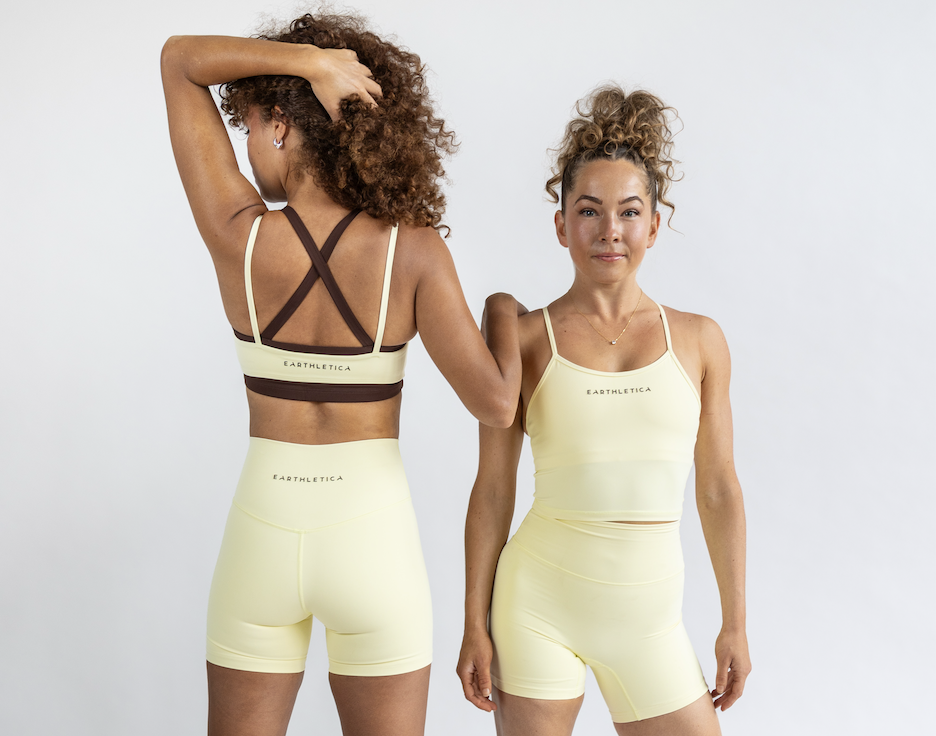
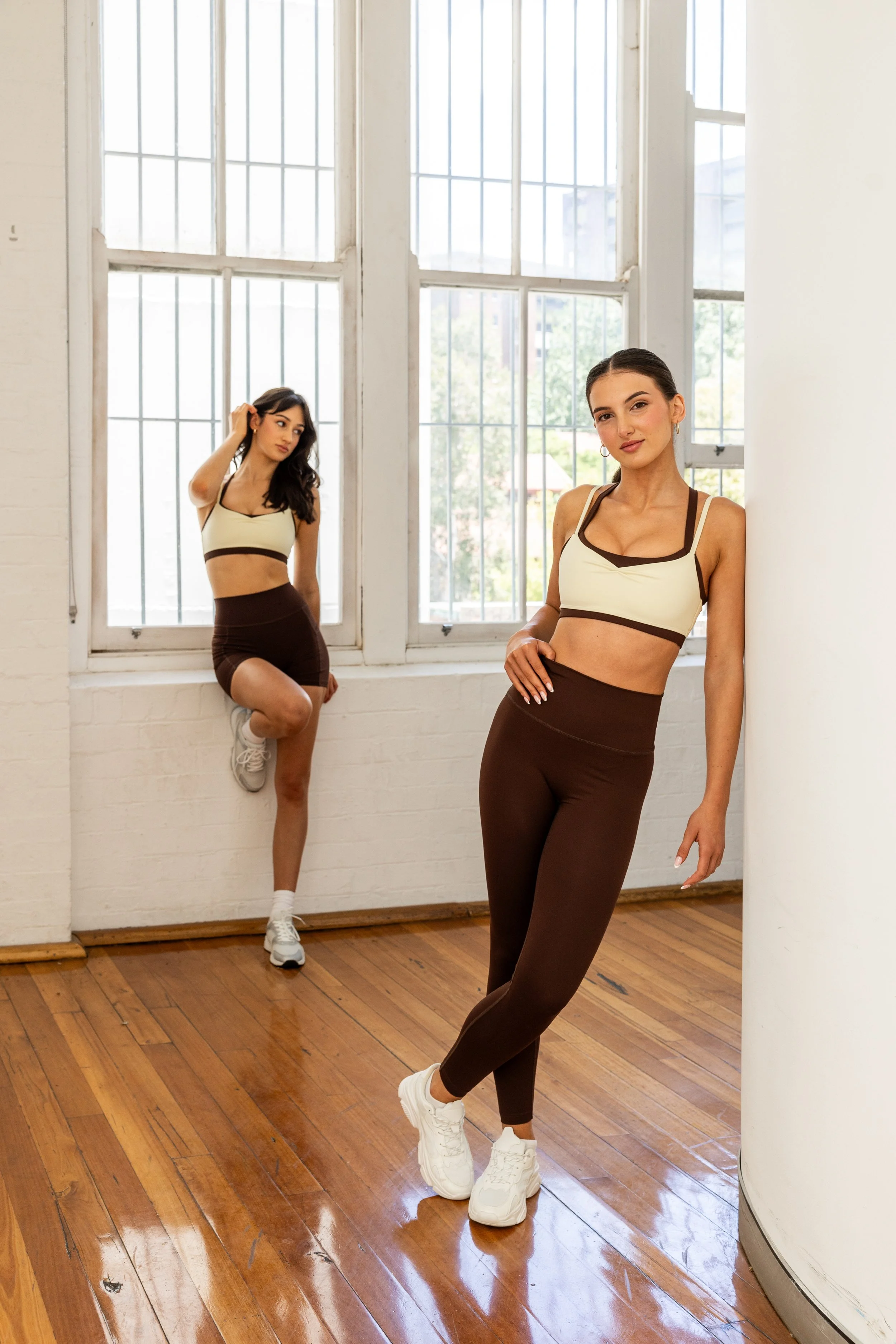
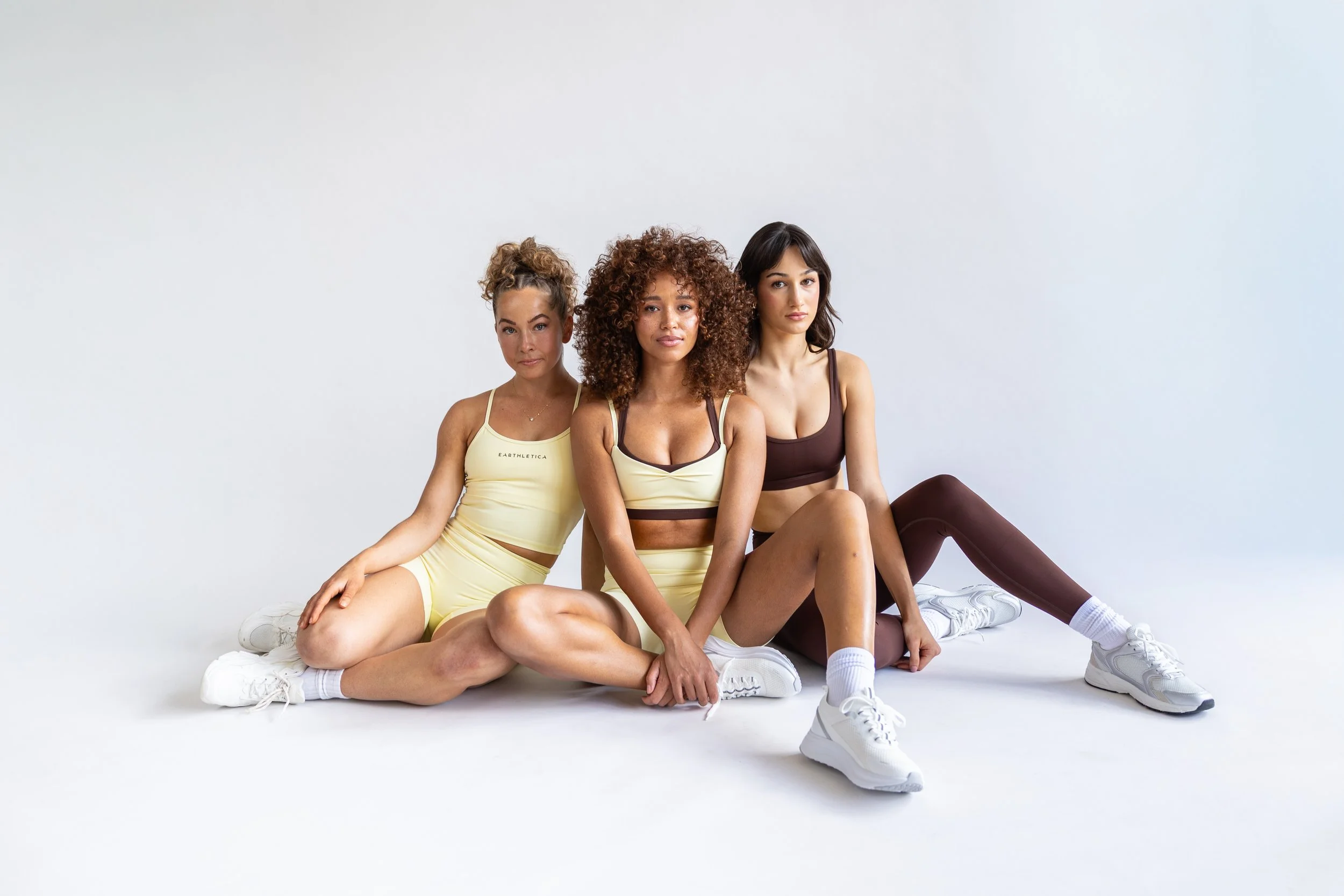
That curiosity eventually became Earthletica - a performance activewear brand Bronte co-founded with Libby Babet that aims to prove sustainability and elite athletic performance don't have to be mutually exclusive.
Looking Beyond Performance
Bronte says her journey didn't begin with fabrics or fashion.
It started with the environmental impact of the industry - but quickly became something much bigger.
"Most activewear is made from virgin (new) plastics, and most clothing eventually ends up in landfill," she explains. "Once I understood that, I wanted to know more - not just about the environmental impact, but also about what those materials actually are."
She quickly realised that making synthetic fibres soft, stretchy and wearable often requires extensive chemical processing.
"We've become really good at thinking about what we put into our bodies. But I don't think we've asked enough questions about what we put on our bodies every single day."
For Bronte, it was about creating better options.
““We’ve become really good at thinking about what we put into our. But I don’t think we’ve asked enough questions about what we put on our bodies every single day.””
Built From the Ground Up
Retirement from elite swimming marked the beginning of an entirely new challenge.
"I was searching for more stability after sport, but I also wanted to do something that felt meaningful," Bronte says.
Rather than joining an existing brand, she wanted to help build one differently.
"I couldn't really see anyone creating an activewear company from the ground up with sustainability built into every decision."
Her vision wasn't simply to produce a few environmentally friendly garments.
"The goal has always been to prove you can build a profitable business while taking sustainability seriously," she says. "People often say it's too difficult or too expensive. We wanted to challenge that."
Bronte believes advances in textile technology are making that increasingly possible.
"The technology has reached a point where solutions that weren't commercially viable a few years ago are now becoming achievable."
Performance Still Comes First
While sustainability is central to Earthletica, Bronte is quick to point out that performance can never become an afterthought.
"People need their activewear to actually perform," she says. "It has to compress, it has to wick sweat, it has to move with you, it has to be comfortable and fit properly."
"If it doesn't perform, people simply won't wear it."
Today, every Earthletica activewear piece is made with 75% recycled materials, while its outerwear uses 100% organic cotton. Both are independently tested to be free of over 1,000 harmful chemicals.
"We're finding a way to be honest on the middle ground," Bronte says. "We're constantly testing and improving while still delivering all the performance people expect."
One development she's particularly excited about is the emergence of plant-based elastane, which is in experimental phases.
"It's the first time this type of technology has really become possible," she says. "It's still being developed, but that's the future we're working towards."
Marketing Claims or Meaningful Evidence?
The activewear industry is saturated with phrases like clean, eco, and mindfully made.
Bronte believes consumers can start to look beyond marketing.
"Some products describe themselves as 'mindfully made', but they're still 100% virgin polyester," she says.
Instead, she encourages consumers to become familiar with recognised third-party certifications.
"Look for certifications like GOTS, OEKO-TEX® or the Global Recycled Standard (GRS)," she says. "Independent testing matters."
She also encourages people to simply start reading garment labels.
"Find brands you trust. Use AI as a starting point if you want to understand different fibres. It won't have every answer, but it can help you ask better questions."
Designing for Women
For Bronte, one of the biggest opportunities for innovation lies in designing products specifically for women - not simply adapting products originally developed for everyone else.
"Women have historically been underrepresented in sports science research," she says. "There is emerging research around hormone-disrupting chemicals, but we still have a lot to learn."
That knowledge gap shaped Earthletica's approach from the beginning.
"Women's bodies are different, so our products should be designed and tested with that in mind. We wanted to make sure we were testing, not just assuming."
One Small Habit That Could Change Everything
If Bronte could encourage every Pilates instructor to adopt just one new habit, it wouldn't involve buying different clothes tomorrow.
It would simply involve reading one more label.
"I'd love people to start looking at garment labels the same way they look at food ingredients," she says.
"It takes a little more effort at first, but once you start reading labels you begin to notice patterns."
For Bronte, awareness - not perfection - is the goal.
"You're already checking the size before you buy something. Why not also check what it's made from?"
Progress, Not Perfection
Bronte is careful not to frame the conversation as one of guilt.
"I don't want people to feel like they need to beat themselves up," she says.
"Most of us own virgin synthetic clothing. It’s been all that’s available in the activewear space for many years."
Instead, she hopes people begin asking slightly better questions each time they make a purchase.
"Activewear is almost like a superhero uniform," she says. "When you put it on, you step into a different version of yourself. Clothing is incredibly transformative."
If that clothing can also be better for the planet - and better engineered from the ground up - she believes everyone wins.
"We're all learning," Bronte says. "We're all chasing better."
That philosophy echoes the mindset that carried her through an Olympic career.
"Progress over perfection has always been my approach."
"Better never rests. You keep raising the bar."
Perhaps that's the biggest takeaway. Pilates professionals have long encouraged people to think more carefully about how they move, what they eat and the products they use every day. Maybe it's time we brought that same curiosity to the clothes we spend hours wearing. Because activewear isn't just something we exercise in - it's something many of us live in.
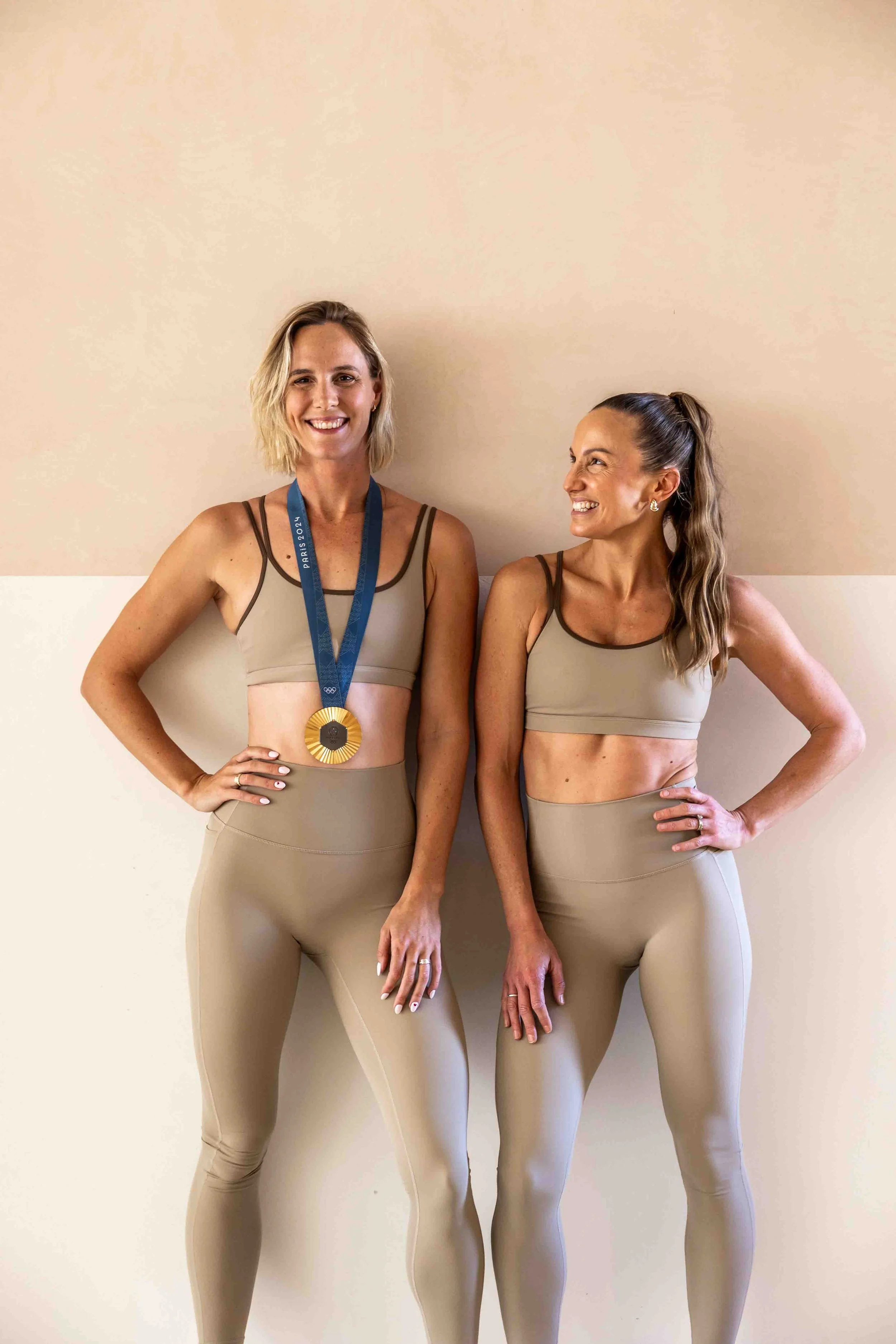
Earthletica recently raised $1.13 million through Birchal, supporting the company's next phase of growth as it continues to develop sustainable, high-performance activewear.
———————-