The Business of Belonging
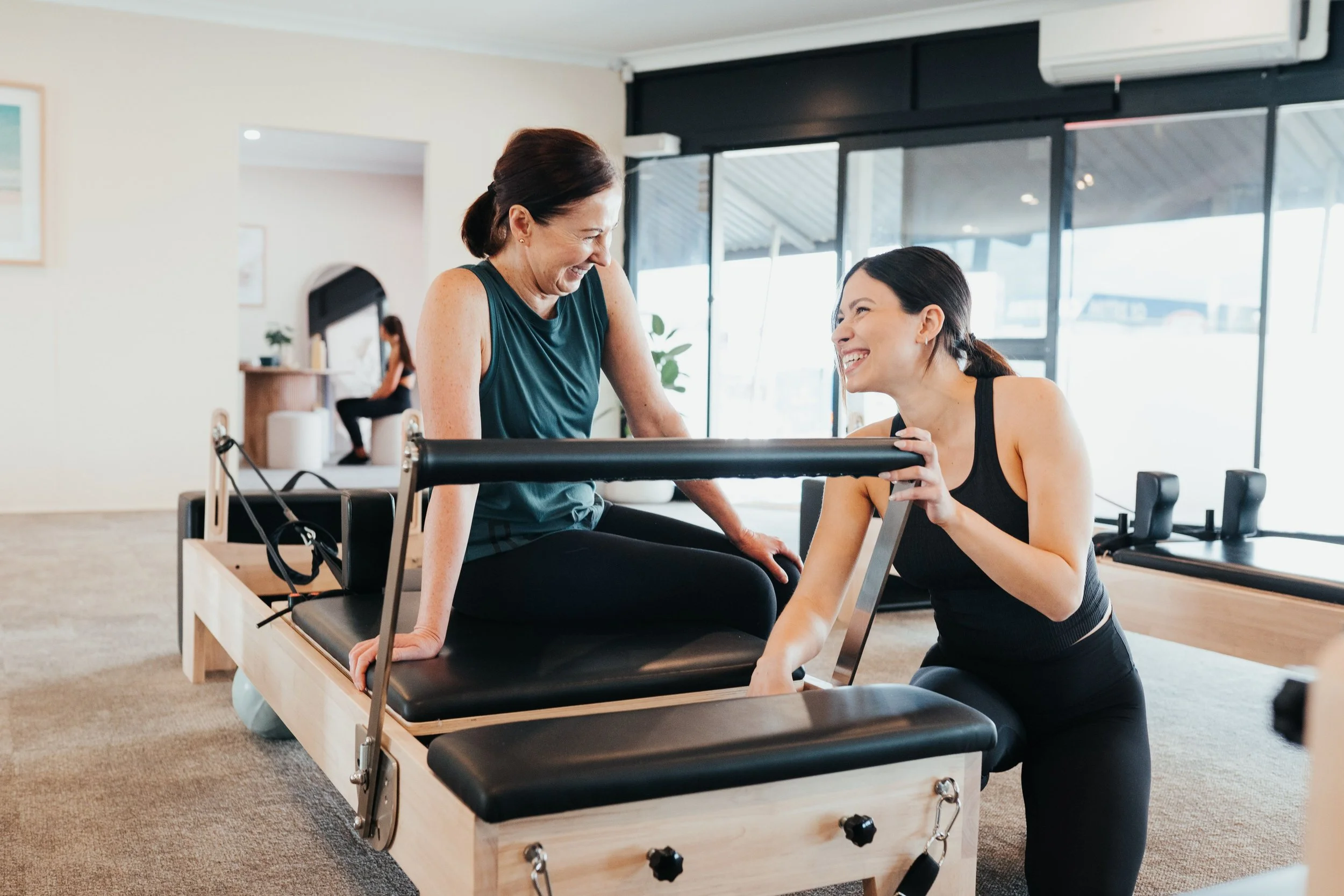
How Scott Capelin is Building a Different Kind of Pilates Franchise
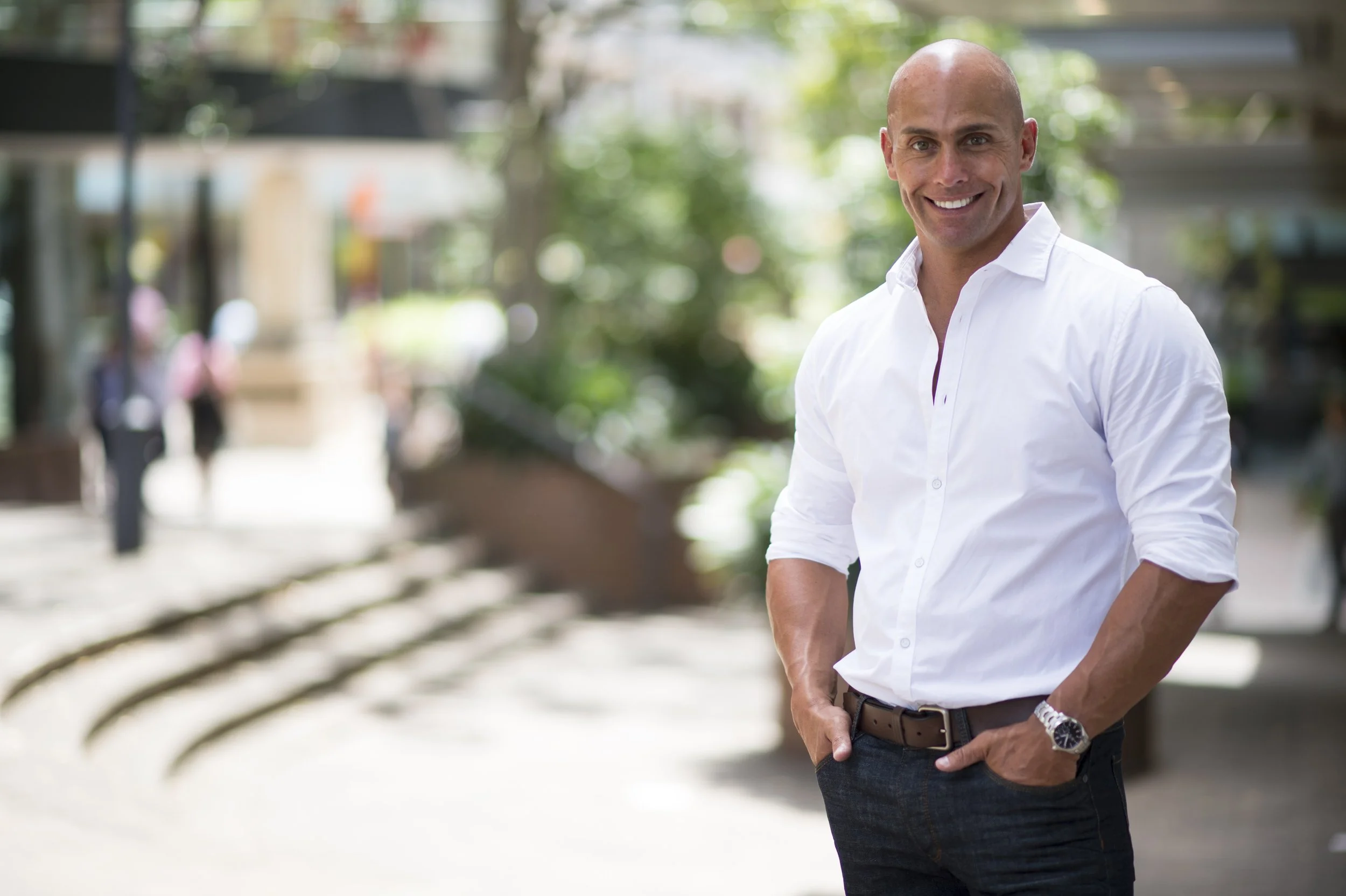
By the time most Pilates studio owners think about opening a second location, Scott Capelin is thinking about opening another twenty.
Not because bigger is always better. But because he believes more people should have the opportunity to own a profitable wellness business.
As founder of inLIFE Wellness, Scott has quietly built one of Australia's fastest-growing boutique fitness brands by asking a simple question:
What if Pilates could be more accessible - not just for members, but for the people wanting to build a business around it?
“What if Pilates could be more accessible - not just for members, but for the people wanting to build a business around it?”
It's a philosophy that has seen inLIFE grow from a single flagship studio in 2019 to almost 80 locations across Australia and the United States, with Texas becoming the launchpad for an ambitious North American expansion.
A Business Builder Who Found Pilates
Unlike many founders in the Pilates industry, Scott didn't begin as a Pilates educator.
His background spans more than two decades in fitness, personal training, business coaching and franchise development. Since entering the fitness industry in 1999, he has worked across personal training, club management, business mentoring and operations, developing an understanding of what makes health businesses sustainable - not just inspiring.
"I've always loved fitness, but I've also loved small business," he says.
Those years taught him something that still shapes inLIFE today.
"Systems promote consistency."
Originally, franchising wasn't part of the plan. The first studio opened in 2019, only to face the disruption of COVID shortly afterwards. As the business recovered, demand from others wanting to replicate the model became impossible to ignore.
"I never set out to be a franchisor."
Instead, he found himself building one.
Building the Business for Franchisees First
Perhaps the most distinctive aspect of inLIFE isn't its classes.
It's the business model behind them.
Scott says every operational decision was made with franchise profitability in mind. Rather than following the traditional boutique fitness formula of expensive fit-outs, large premises and high staffing costs, inLIFE deliberately stripped the model back.
Smaller studio footprints.
Centralised programming.
Minimal reception staffing.
Flat monthly franchise fees instead of revenue percentages.
The result is a business designed to be simpler to open, easier to operate and more financially sustainable for owners. According to Scott, successful operators can achieve margins of around 30–35 per cent.
His benchmark is refreshingly practical.
"We're the Toyota, not the Porsche."
It's not about creating the most luxurious studio.
It's about delivering value - for members and for operators.
Making Pilates Less Intimidating
While reformer Pilates remains the heart of inLIFE, Scottnoticed something changing in consumer behaviour.
People loved reformer.
But many also wanted variety.
“People loved reformer.
But many also wanted variety.”
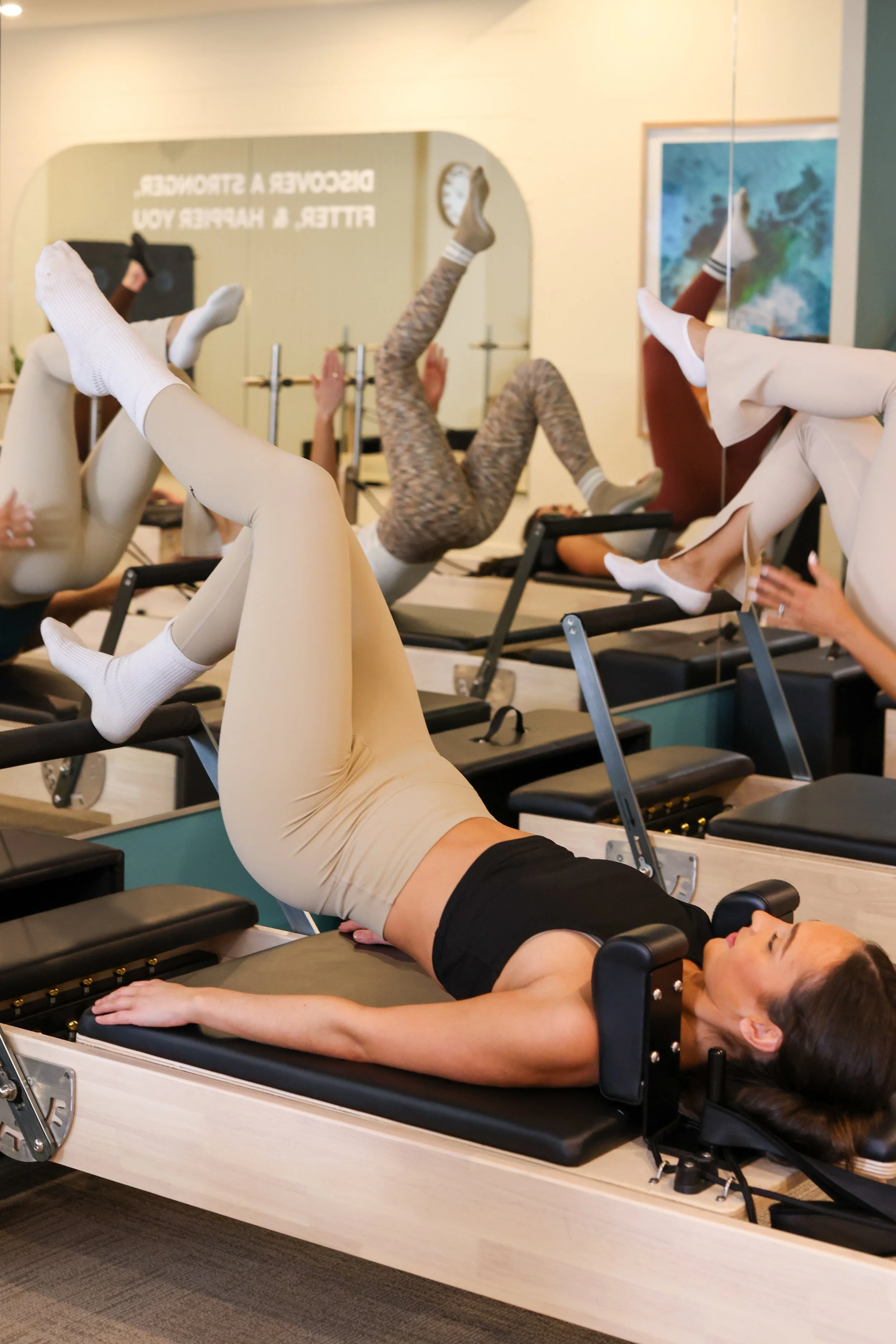
Today, around 70 per cent of inLIFE’s timetable remains reformer Pilates, while the remaining classes introduce complementary formats including strength, cardio, barre, mobility and circuit-based training. Rather than replacing Pilates, they're designed to bring more people into it.
That philosophy extends to the studio environment itself.
Scott isn't trying to build a brand for fitness enthusiasts.
He's building one for people who may have never felt comfortable walking into a boutique studio before.
"We want people to feel warm, welcome and safe."
Many members arrive after physiotherapy or injury rehabilitation. Others are trying exercise for the first time in years.
Reducing intimidation, he believes, is one of the industry's biggest growth opportunities.
Culture Before Choreography
Ask Scott what separates great instructors and he doesn't immediately talk about cueing.
He talks about relationships.
"The ten minutes before and after class are golden."
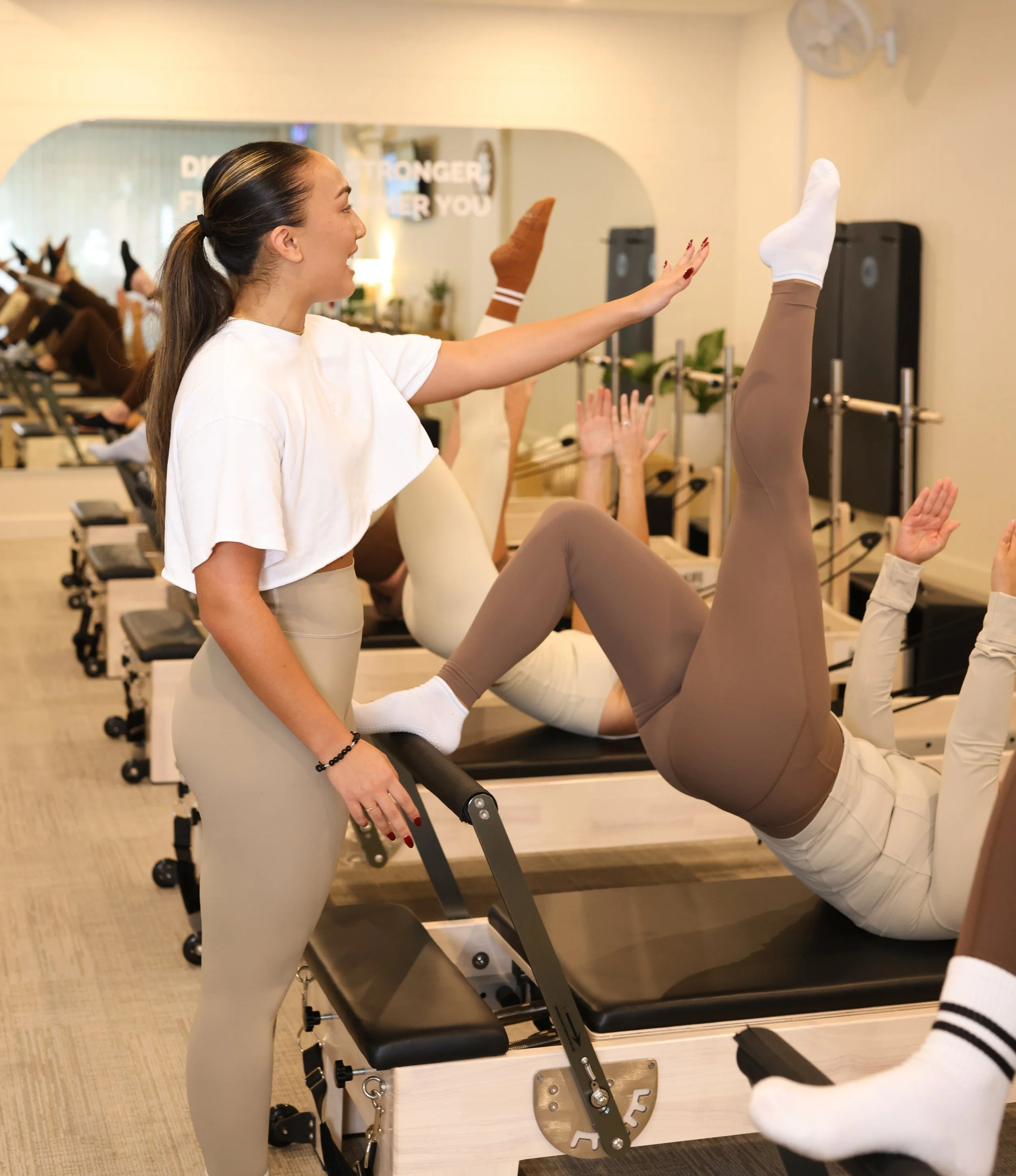
Those small conversations, learning names, checking in with members and creating genuine human connection are central to inLIFE’s retention strategy.
"The third space" - the place people choose to spend time outside home and work - is a phrase he returns to often.
If members feel seen, they come back.
If they feel like just another booking, they don't.
That emphasis on culture extends throughout the organisation.
More than 90 per cent of inLIFE’s instructors began as members, while many franchisees have also come through the community first.
"It's really hard to sell this to a stranger."
Instead, many future owners experience the culture long before they enquire about buying a business.
Removing Barriers
One area where Scott believes the industry still has work to do is making Pilates approachable for beginners.
Traditional fitness marketing, he argues, often speaks to people who already exercise.
inLIFE intentionally markets to those who don't.
The onboarding process reflects that philosophy.
New members begin with a one-on-one introductory session - not because it's the most profitable option, but because it dramatically improves confidence and long-term conversion.
"We don’t make money on the trial."
But by reducing uncertainty, members are significantly more likely to continue.
The same thinking sits behind inLIFE’s membership structure.
No lock-in contracts.
Affordable pricing.
Low barriers to entry.
It's a strategy designed to widen participation rather than narrow it.
Growing Carefully
Expansion into the United States hasn't changed Scott’s thinking.
If anything, it's reinforced it.
Rather than chasing crowded metropolitan hotspots, inLIFE looks for communities where boutique wellness remains underserved.
The goal isn't simply to plant more flags.
It's to build studios that become part of their local community.
Supporting franchisees remains his biggest priority.
"People buying a franchise are looking for two things - a proven business model and ongoing support."
It's also what keeps him awake at night.
"Supporting franchisees."
Every member of the inLIFE head office team either owns or is involved in operating a studio, ensuring business decisions stay connected to day-to-day realities rather than corporate theory.
More Than a Pilates Company
At its core, inLIFE isn't trying to reinvent reformer Pilates.
It's trying to rethink how wellness businesses are built.
By lowering the cost of ownership, broadening programming, simplifying operations and placing community at the centre of every decision, Scott believes boutique fitness can become more sustainable for operators and more welcoming for members.
As reformer Pilates continues its global growth, that may prove to be one of the industry's most significant shifts.
Not making Pilates more exclusive.
Making it available to more people - on both sides of the reformer.
If you are interested in opening your own inLIFE Wellness franchise contact them here.