
Mat Is Having a Moment. But Why Now?
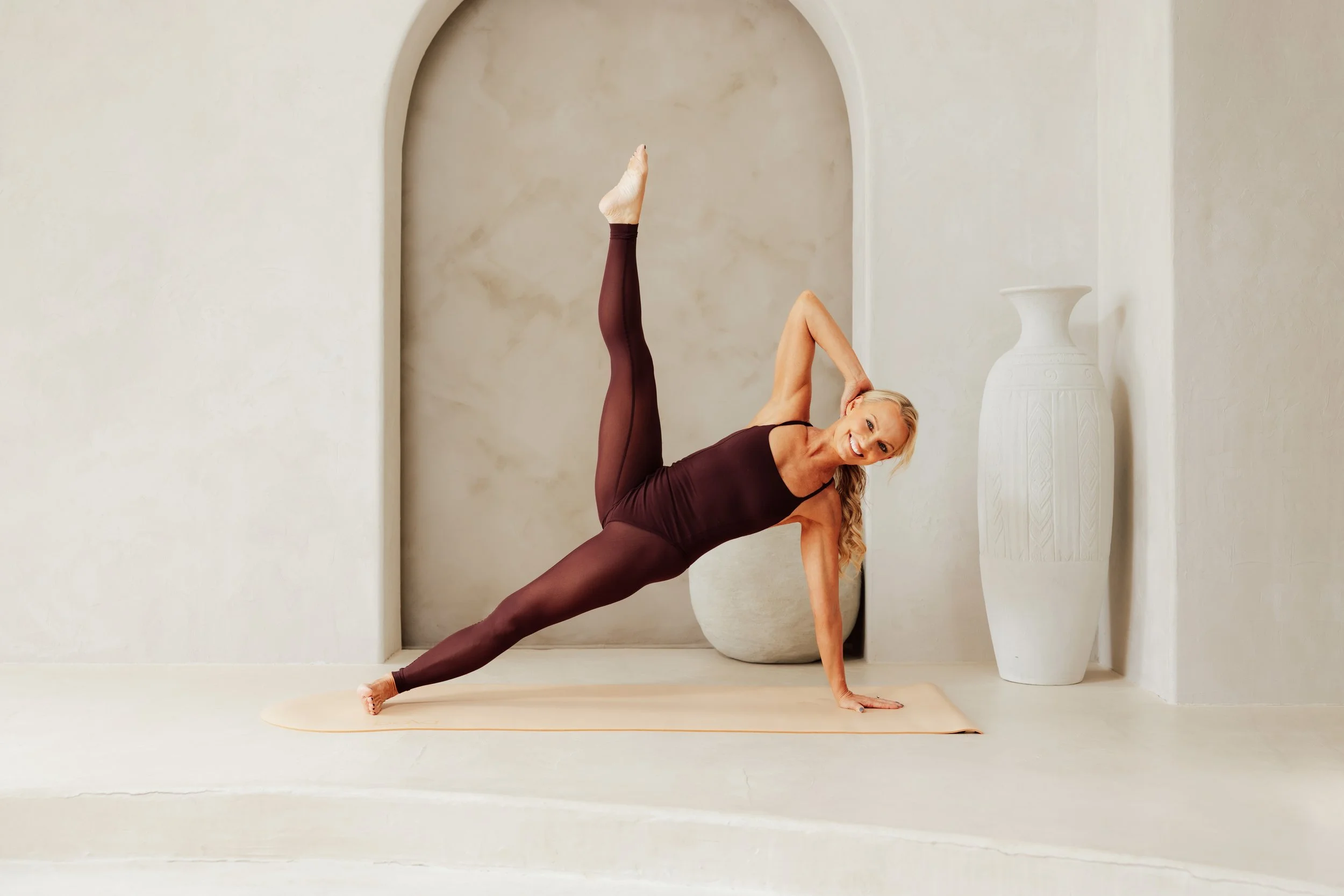
For years, the reformer has been the face of modern Pilates.
It has fueled the industry's rapid growth, introduced new audiences to the method, and become the entry point for countless clients around the world. But according to global Pilates educator and studio owner Tracey Mallett, something interesting is happening alongside the reformer boom.
Mat Pilates is making a comeback.
Not as a replacement for the reformer, but as a natural next step for many clients looking to deepen their understanding of the method.
"I believe mat work is experiencing a resurgence because the popularity of the reformer has introduced a whole new audience to Pilates," says Tracey. "Many people initially fall in love with Pilates through the reformer and begin to realize that there is much more to the method than one piece of equipment."
As clients become more curious about Pilates beyond the reformer, many are discovering just how demanding mat work can be.
"The younger demographic especially enjoys the burn, the control, and the strength demands of mat Pilates," she says. "What surprises many people is that mat work often feels harder because you're working entirely against gravity and your own body weight."
For Tracey, this moment feels different from previous cycles in the industry because Pilates itself has reached a level of mainstream popularity never seen before.
"The reformer has opened the door, and mat work is becoming the natural next step for clients and instructors who want a deeper understanding of the method."
The Foundation of the Method
As mat work evolves and attracts new audiences, Tracey believes there are certain elements that should remain unchanged.
"The essence of true mat work is the relationship between breath, control, precision, concentration, and full-body integration," she says. "It's learning how to move your own body efficiently without relying on external resistance."
For Tracey, mat work develops more than strength alone.
"Mat work teaches us to create stability, mobility, strength, and coordination from within."
While programming styles may change and new tools may be introduced, she believes the principles that underpin the method should remain intact.
"The exercises may evolve, props may be added, but the intention and principles behind the movement should remain intact."
Evolving Without Losing the Method
The resurgence of mat work comes at a time when Pilates programming continues to evolve.
Studios are increasingly incorporating props, standing work, dumbbells, and contemporary movement patterns into their classes. For Tracey, innovation itself is not the issue.
"Today's clients want variety, creativity, and a workout experience that feels engaging," she says. "The opportunity is to evolve mat work without abandoning its roots."
She sees props as valuable teaching tools that can make exercises more accessible and help clients better understand movement patterns. At the same time, she cautions against confusing novelty with progress.
"Repetition remains important because mastery comes from practice, not constant novelty."
The challenge for instructors, she says, is ensuring that contemporary programming enhances the method rather than replacing it.
"The key is intentional programming. Evolution should enhance the method, not replace it."
The Reformer Created Awareness. Mat Creates Understanding.
One of Tracey's most compelling observations is the role mat work plays in helping clients move beyond simply doing Pilates and towards understanding it.
"The reformer created awareness, but mat work creates understanding," she says.
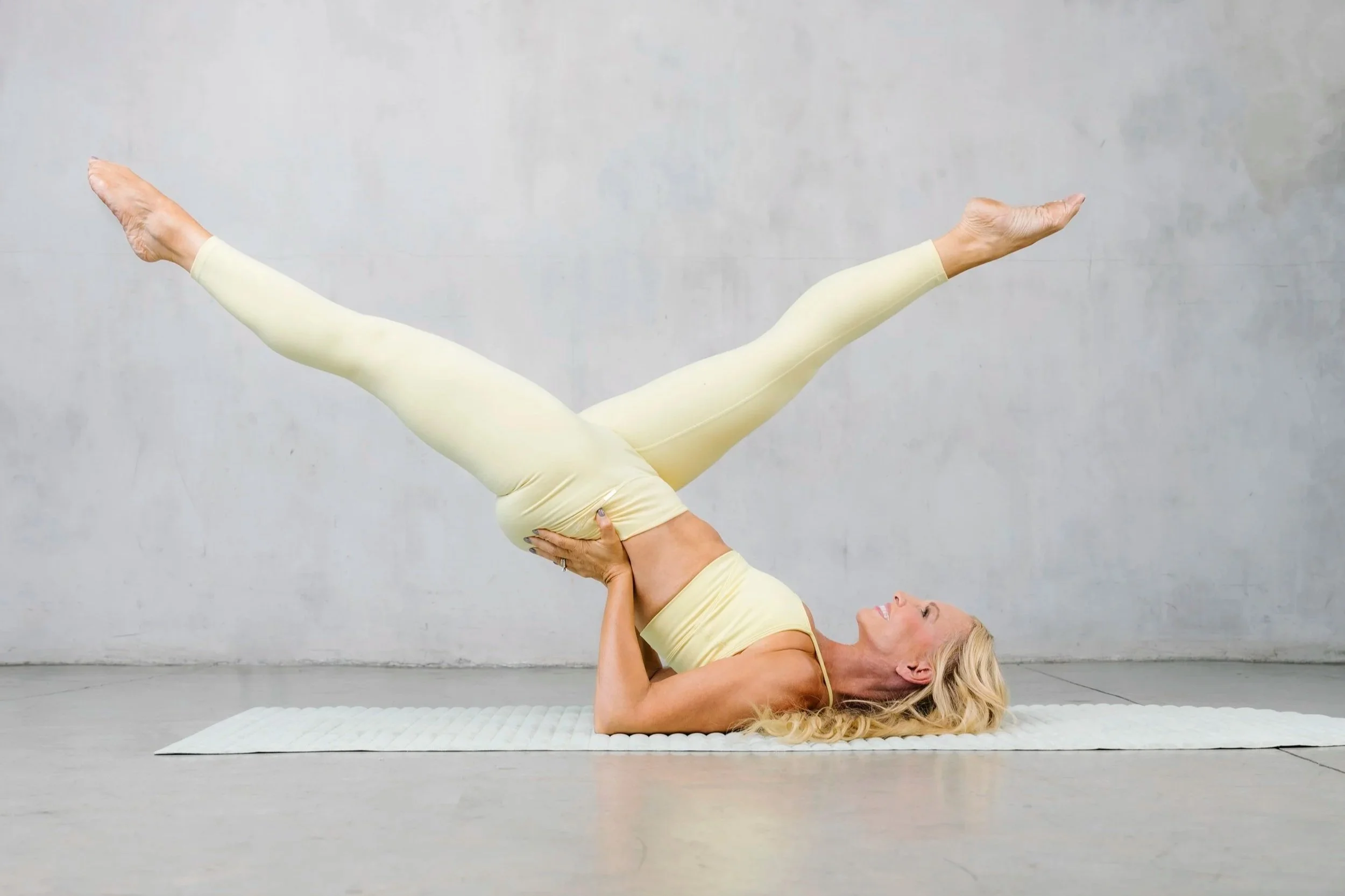
Many of today's Pilates participants first encountered the method through group reformer classes. As their interest grows, mat provides an opportunity to explore the principles behind the movements they have been practicing.
"They want to understand the 'why' behind the movement rather than simply following choreography."
Accessibility also plays a significant role.
"Mat work is more accessible. It requires less equipment, can be practiced anywhere, and gives clients a way to continue their Pilates journey outside the studio."
Defining Pilates in a New Era
As mat Pilates grows in popularity, so too does the conversation around fusion, sculpt, and Pilates-inspired movement.
Tracey is clear that these formats have value.
"I love fusion formats and have been teaching fusion since the 1990s," she says. "They absolutely have a place in our industry."
The distinction, however, lies in how those classes are positioned.
"Pilates-inspired classes can borrow principles from Pilates while incorporating fitness trends, strength training, barre, cardio, or sculpt methodologies."
But she believes borrowing Pilates principles does not automatically make something Pilates.
"I often use an 80/20 guideline," she explains. "If approximately 80% of the class is grounded in classical Pilates movement patterns and principles, there is room to incorporate contemporary exercises, props, standing work, or weighted variations."
When the balance shifts too far, she believes the class should be identified differently.
"When classical Pilates exercises become a small percentage of the workout and the focus shifts primarily to fitness-based training, it should be identified as fusion, sculpt, or Pilates-inspired movement rather than Pilates itself."
"That distinction protects both the integrity of the method and the expectations of the client."
What Today's Clients Still Need
According to Tracey, one of the biggest misconceptions among newer Pilates participants is that they already understand mat work because they have attended Pilates-inspired classes.
"I don't think many newer clients fully understand the depth of classical mat work, and that's not their fault," she says.
"Many people genuinely believe they've been doing Pilates for years when they've actually been taking sculpt or fusion classes that incorporate Pilates-inspired elements."
She sees the same realization occur regularly during teacher training programs.
"New instructors arrive believing they know mat Pilates, only to realize they've been exposed to a small fraction of the repertoire."
Yet she believes this creates an opportunity rather than a problem.
"Once they're introduced to authentic mat work, they're often fascinated by it. They discover a level of challenge, precision, and complexity they weren't expecting."
For instructors programming mat classes today, Tracey believes there is another important lesson.
"Sometimes instructors underestimate how much clients enjoy learning and progressing."
While there can be pressure to constantly introduce new exercises and variations, she believes clients also value repetition and skill development.
"Repeating exercises, layering progressions, and helping clients understand why they're doing something creates a much deeper experience."
Because there is no equipment guiding movement, teaching quality becomes even more important.
"Mat classes require exceptional cueing because there is no equipment guiding movement."
"Strong cueing, thoughtful progressions, and clear objectives are often more valuable than endless exercise variations."
Shaping the Future of Pilates
Looking ahead, Tracey believes mat work will play an increasingly important role in the future of Pilates.
"I believe mat work will become increasingly important because it is the foundation of the method."
As Pilates continues to expand globally, she sees mat work offering something the industry needs: accessibility, scalability, and authenticity.
"It allows more people to experience the true depth of the method regardless of whether they have access to equipment. At the same time, mat work will continue to influence the broader movement industry through fusion, sculpt, and contemporary fitness formats.
"The challenge for our industry is to celebrate innovation while clearly defining what Pilates is," she says.
"If we can do that, mat work won't just support the future of Pilates, it will help shape it."
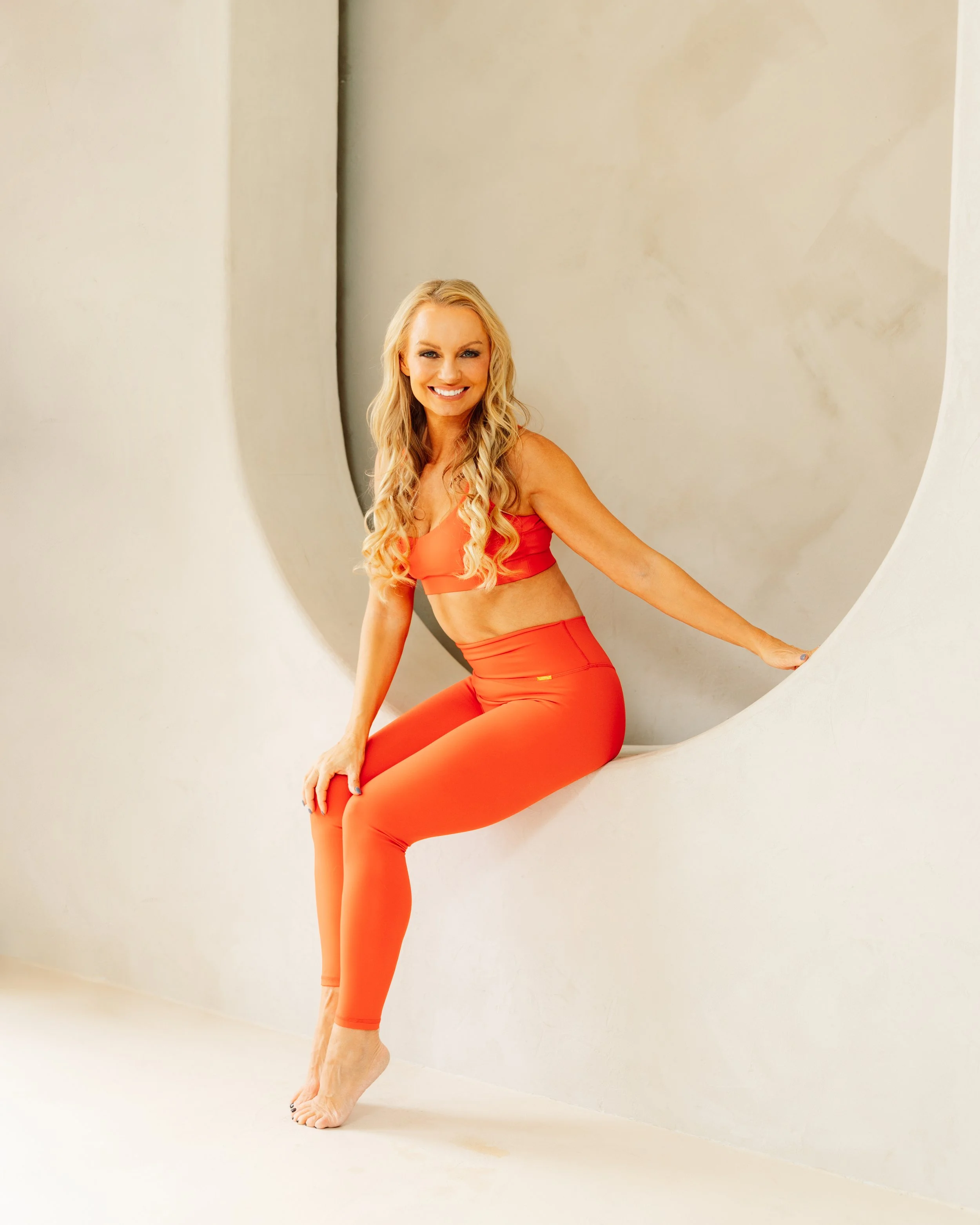
TRACEY MALLETT is a globally recognised Pilates educator, creator of the BootyBarre® program, and a Master Instructor with Balanced Body. She is known for her dynamic, accessible teaching style that blends classical Pilates with functional fitness. An author and international presenter, Tracey continues to inspire both instructors and clients worldwide through her innovative approach to movement. She also offers PilatesNext teacher education, to help instructors to expand their skills.
Come see Tracey at The Pilates Journal Expo this September in Miami.
Find out more pilatesjournalexpo.com