
A Week of Pilates Mat: Why the Original Method Still Delivers Powerful Results
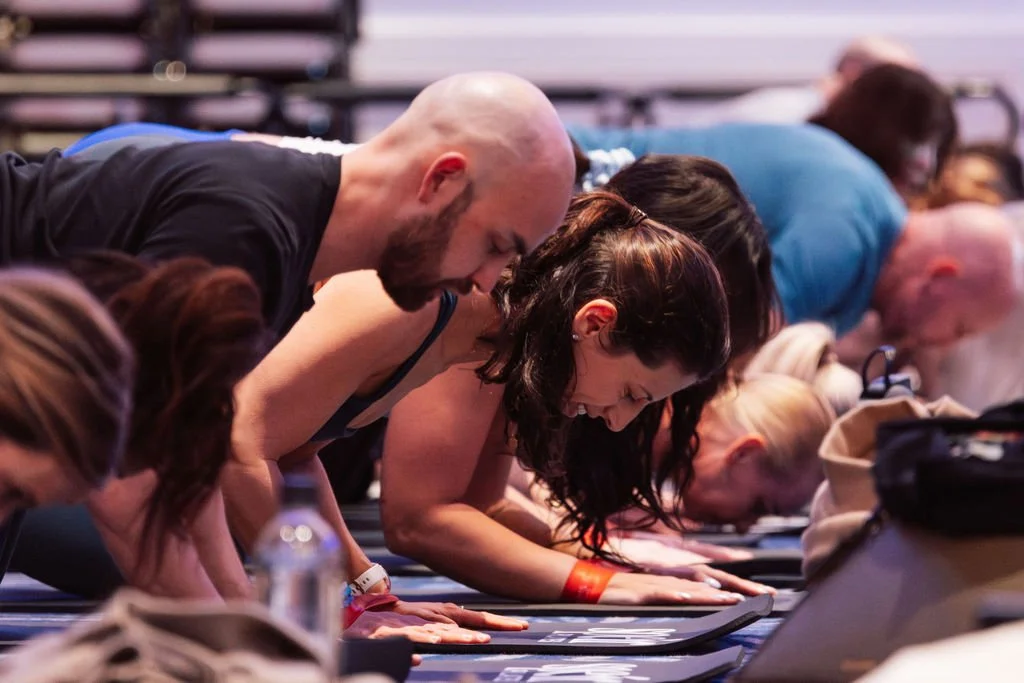
For one week, I committed to doing Pilates mat classes every day.
No reformer. No springs. Just a mat, my body, and the original exercises that form the foundation of the Pilates method.
At first, it seemed simple. In fact, deceptively simple. After all, many of the movements, The Hundred, Roll Up, Single Leg Stretch and Spine Stretch Forward, are exercises most Pilates instructors teach regularly. But practicing them daily on the mat quickly revealed something deeper: Pilates mat doesn’t hide anything.
Without the support or resistance of equipment, you become very aware of how your body moves.
And more importantly, how it should move.
One of the first things I noticed was how much focus Pilates mat practice demands. It isn’t about rushing through repetitions or chasing intensity. Instead, every exercise asks for attention, to breath, alignment and control. By day three, I realised that even exercises I thought I “knew” still had layers to uncover. A slightly deeper abdominal connection. A smoother articulation of the spine. A more controlled return.
““...every exercise asks for attention, to breath, alignment, and control.””
The second thing that stood out was how powerful the fundamentals of Pilates mat classes really are.
The mat repertoire is often described as the foundation of Pilates, and after a week it’s easy to see why. These exercises build core strength, spinal mobility, coordination and body awareness all at once. It’s a full-body workout, but one that feels intelligent rather than exhausting. You finish feeling stronger, taller and more connected to your body.
Another unexpected benefit of doing Pilates mat regularly was how quickly the body adapts. Within a few sessions, movements that initially felt challenging began to feel more fluid. The Roll Up became smoother. The Hundred felt more controlled. Balance improved. The body begins to learn.
That process of learning is part of what makes Pilates so engaging. Each session feels like practice rather than performance. There is always something to refine.
““It’s a full-body workout, but one that feels intelligent rather than exhausting. You finish feeling stronger, taller and more connected to your body,””
Perhaps the most interesting takeaway, though, was how much Pilates mat deepens your appreciation for the rest of the Pilates method. When you step back onto equipment like the reformer, the work often feels clearer and more connected. The principles learned on the mat: control, precision, breath and flow, translate directly to every other apparatus.
In many ways, the mat is where the method truly reveals itself.
After a week of daily Pilates mat practice, the biggest lesson was this: the basics are never really basic.
They are the place where strength, skill and understanding begin.
““When you step back onto equipment like the reformer, the work often feels clearer and more connected,””
For anyone curious about Pilates, starting with Pilates mat classes is one of the best ways to experience what the method is really about. All you need is a small space, a mat, and a willingness to slow down and pay attention to how your body moves.
The results may surprise you.
Because sometimes the simplest workouts are the ones that teach you the most.
The second thing that stood out was how powerful the fundamentals really are.
———————————————-
Frequently Asked Questions About Pilates Mat
Is Pilates mat good for beginners?
Yes. Pilates mat classes are one of the most accessible ways to start Pilates. They require minimal equipment and help build the core strength, body awareness and control that form the foundation of the Pilates method.
Is Pilates mat as effective as reformer Pilates?
Pilates mat can be just as effective as reformer Pilates. Because there is no equipment assistance, mat exercises require greater control and engagement from the body, particularly the deep core muscles.
What are the benefits of Pilates mat classes?
Pilates mat classes improve core strength, spinal mobility, posture, coordination and body awareness. The exercises also build full-body strength while focusing on precision and control.
How often should you do Pilates mat?
Many people practice Pilates mat two to three times per week. Even short sessions can improve strength, flexibility and movement quality over time.