
Jumpboard Decoded

After nearly 28 years of teaching movement, and 22 years as an educator with Polestar Pilates Australia, I’ve had the privilege of working with thousands of clients and students exploring the Pilates method.
Few contemporary tools in the studio are as misunderstood, or as underestimated, as the jump board. Often viewed simply as a way to add cardio or variety to a reformer class, the jump board in fact offers far more: a supported way to build power, coordination, bone-loading capacity and confidence through movement.
While I am not a physiotherapist, my perspective is grounded in extensive practical experience, ongoing education, and a deep respect for how the body learns and adapts through movement.
The jump board is a contemporary addition to the Pilates repertoire, developed decades after Joseph Pilates’ original work and often credited to Pilates elder Eve Gentry in the 1970s. While it may look deceptively simple, a board that attaches snugly to the footbar end of the reformer, its applications are anything but basic.
At its core, the jump board creates a different feedback loop for the feet and lower limbs. Some boards are padded, some are not, but all provide a firm surface that can be used for traditional loaded footwork or, as the name suggests, for jumping. What makes the jump board unique is that it allows plyometric-style movement—working with the natural spring of the body—in a supine, low-impact environment, and when appropriate, even side-lying, quadruped, or prone positions.
When working with the jump board, loading should always be chosen for purpose and sustainability, never at the expense of movement integrity. The springs are there to support the intention of the exercise, not to override it. If load compromises alignment, breath, or the organisation of the torso, then it no longer serves the body. Thoughtful loading allows the movement to remain clear, efficient, and repeatable over time. This is supporting long-term resilience rather than short-term intensity.
When we introduce jumping, we are also tapping into the benefits of plyometric training. In simple terms, this means training the body to produce force quickly and efficiently by using a natural “load and rebound” system within the muscles and tendons. On the reformer, this looks like a controlled push away from the jump board followed by a precise, responsive landing. Rather than being aggressive or high impact, it becomes a refined way to build power, coordination, and elasticity in the body.
This type of training can also support bone health. Regular, well-controlled loading through movements like jumping, combined with resistance, has been shown to contribute to improvements in bone density. In a Pilates setting, this offers a more supported and accessible way to introduce these benefits without the same impact demands as traditional jumping on hard surfaces.
It’s also worth noting that controlled plyometric work isn’t limited to the jump board. Similar principles can be explored on other equipment, such as at the end of the trapeze table using the spring system, roll-down bar, or slings—but that is a conversation for another time.
Historically, the jump board became a valuable tool for dancers, particularly for developing allegro technique and safely rehabilitating back into jumping after injury. Today, its scope has expanded far beyond dance. With thoughtful spring selection and clear intention, the jump board can function almost like a leg press, building strength through deep hip, knee, and ankle flexion—valuable for athletes and everyday movers alike.
Beyond its physical benefits, the jump board has also become an important programming tool within the modern Pilates studio. For many clients, it introduces a more dynamic and athletic expression of Pilates that feels energising, accessible and deeply satisfying. For studios, jump board classes can broaden programming, appeal to clients seeking strength and cardio-focused sessions, and create variety within the weekly timetable, provided the work is taught with the same precision and integrity as any other part of the method.
Photography @seasewell
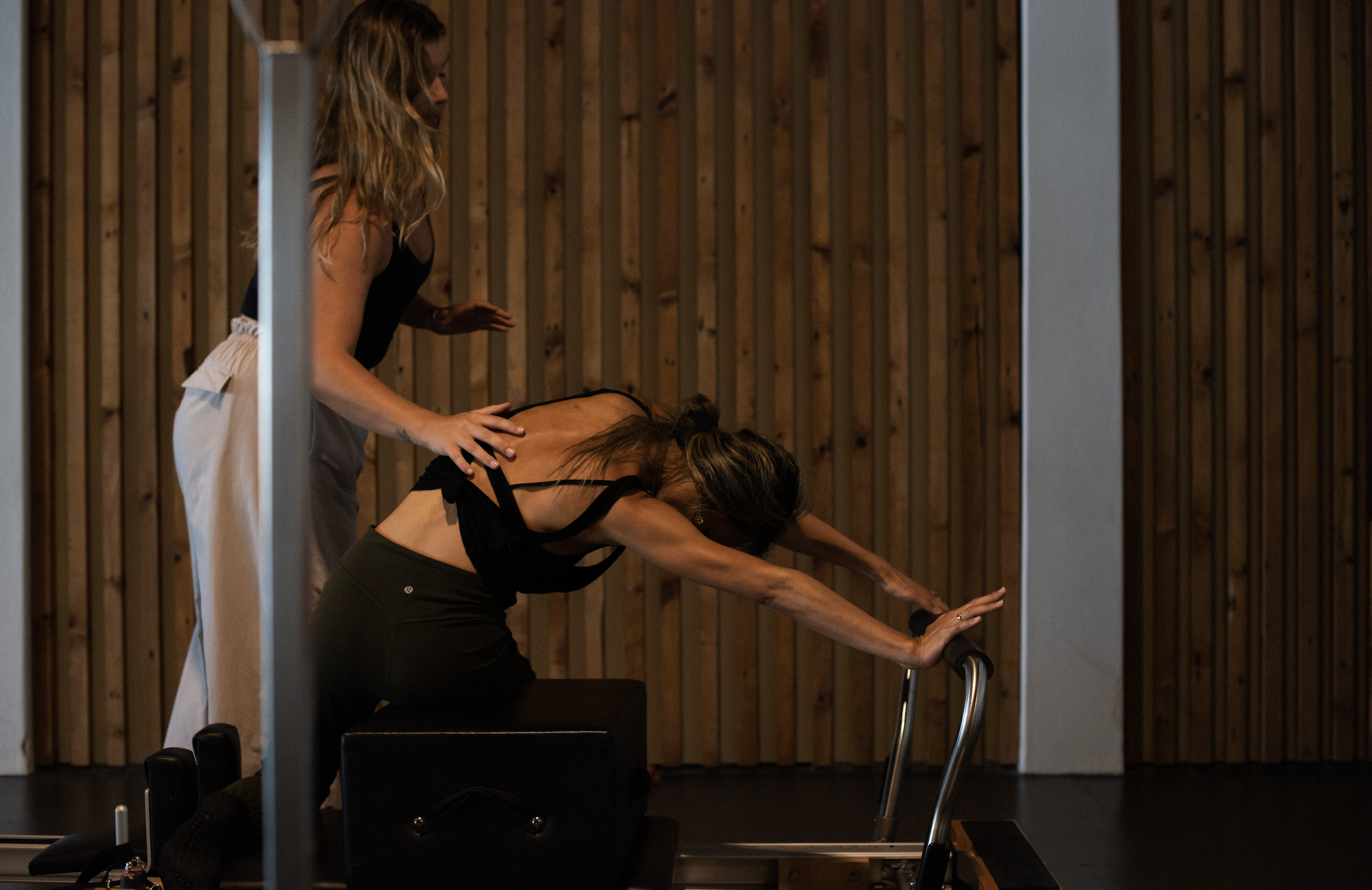
Technique matters. This is not a throwaway exercise where the carriage crashes or the shoulders bear the load. Think of the landing like a jewel thief stepping onto a glass roof or a cat landing quietly before it takes it prey. It should be precise, controlled, and almost silent.
When the feet leave the board, we are looking for full hip extension without compensation through the torso. When landing, we want to see controlled mechanics through the feet, ankles, and knees, with clear alignment of the torso—whether in neutral or flexion. The body has a natural, intelligent way of absorbing force: the foot and ankle soften and adapt, the knee flexes to buffer load, and the hips and glutes take their role as powerful absorbers. When this sequence works well, the movement feels fluid rather than jarring.
Spring choice remains critical. Lighter springs increase suspension time and demand more abdominal support, while heavier springs can sometimes mask inefficiencies or overload the system. In group classes especially, remember that one spring does not feel the same for every body—height, weight, and experience all influence the outcome.
Jumping is not a beginner exercise. Foundational footwork and alignment must be understood first. I often recommend starting with supported chest lift and single-leg variations, as double-leg jumping is essentially a moving Hundred position requires significant trunk control.
I also cue clients to think of the centre first, limbs second. Rather than “blasting” the movement, focus on lengthening through the legs and maintaining connection through the body. We are still looking for clear tracking of the knee over the second toe and an articulate, responsive foot.
So who is the jump board for? Any able-bodied person who walks through the world can benefit—when it is appropriate for them. It may support coordination, improve reactive agility, and help us navigate everyday challenges, from uneven ground to playing with grandchildren. That said, it is not suitable for everyone. Conditions such as certain heart issues, active joint inflammation, or osteoporosis with significant bone loss may contraindicate jumping.
Ultimately, the jump board brings rhythm, challenge, cardiovascular demand, and joy into the Pilates studio. It can lift energy, build confidence, and create a powerful sense of accomplishment. But success always comes back to one thing: safety. When clients feel prepared, well-loaded, and clearly guided, jumping becomes not just fun—but deeply effective.
Sometimes, jumping for joy is exactly what the body—and the nervous system—needs
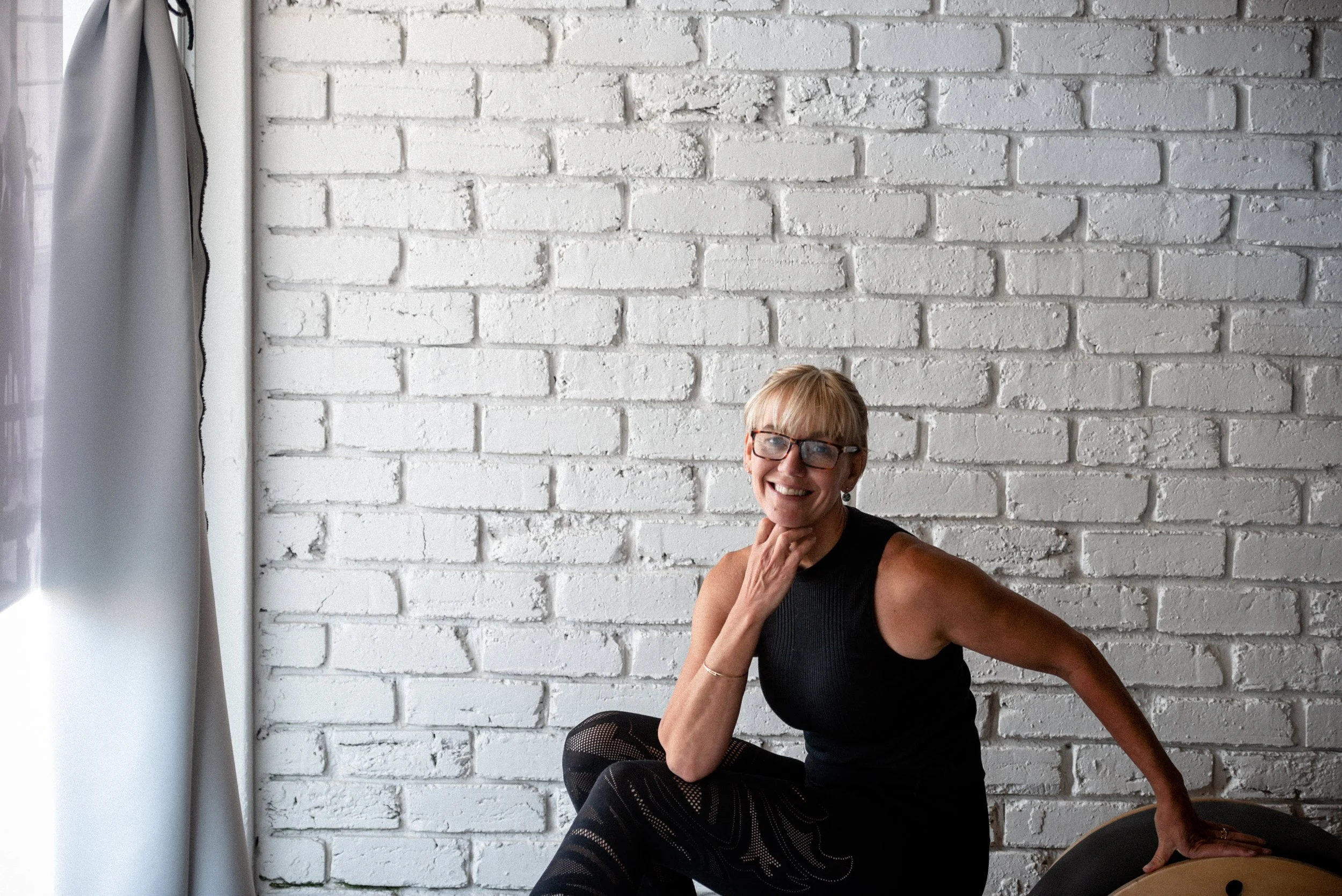
Kimberley Garlick is a Senior Polestar Practioner and owner of Northern Rivers Pilates in Lismore.