
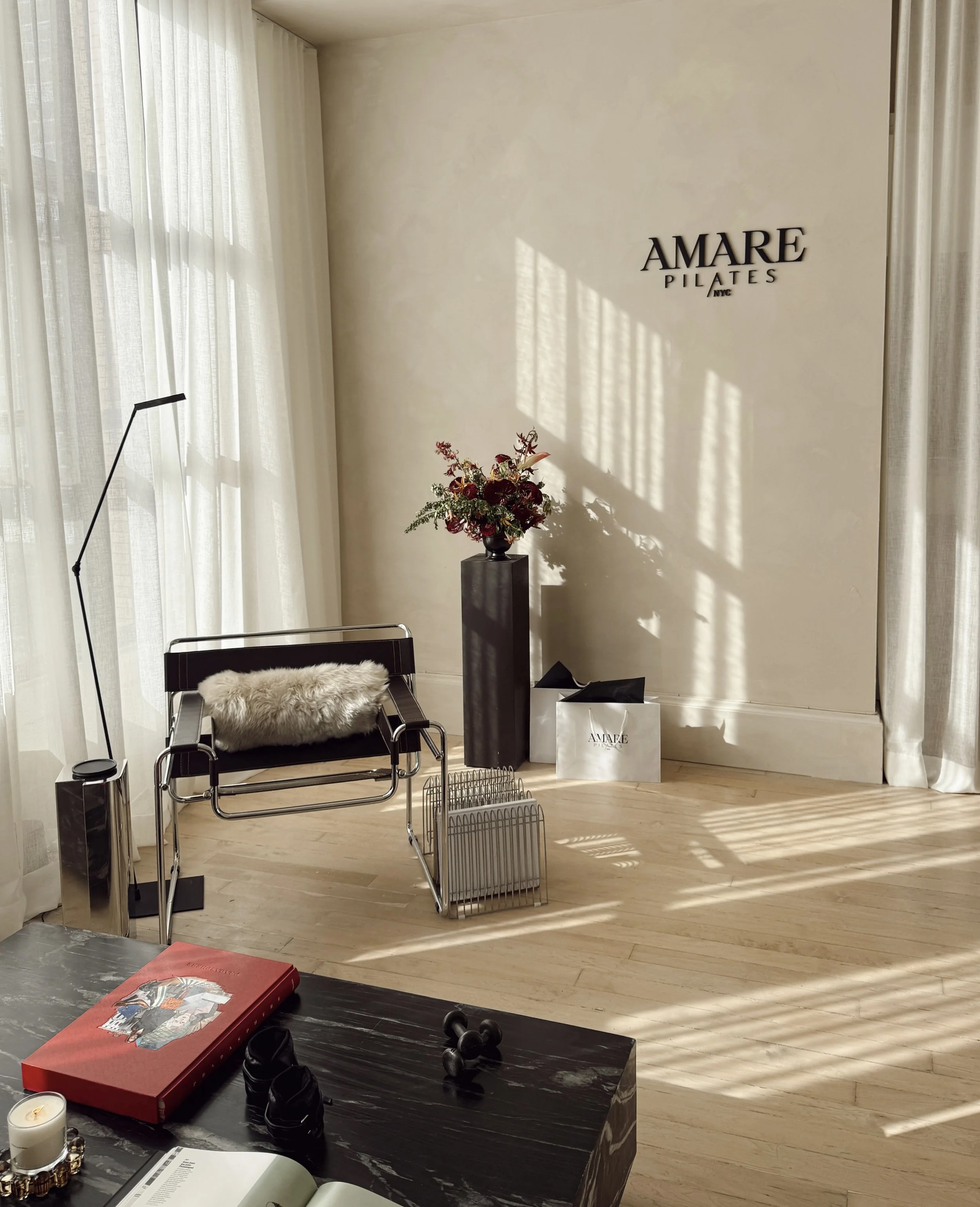
As gyms and larger studios expand their group reformer offerings, Amare Pilates founder Marina Enright is making the case for smaller classes with more individual attention.
Marina Enright opened Amare Pilates in New York in June with just five reformers. At a time when gyms and larger studios are making group reformer classes available to more people, she’s building a business around a different kind of demand. She believes some clients are looking for a smaller room, where an instructor has time to see how they move and adjust the session for them.
“There's so much available in New York, and I think clients are becoming more intentional about where they spend their time and money,” Marina says. “They want to feel seen, they want to know they're getting something out of their workout, and they want to feel connected to the spaces they frequent.”
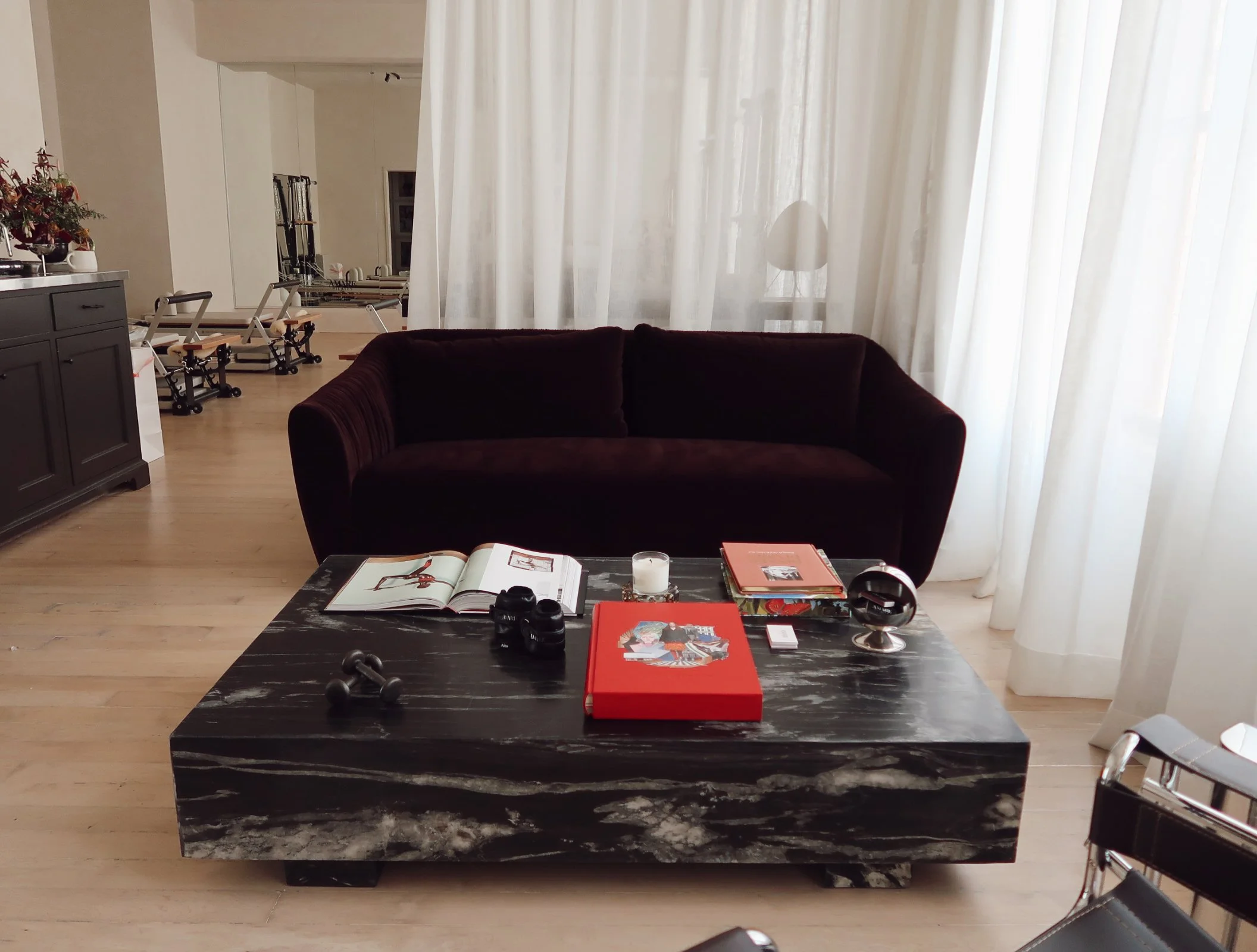
That sense of connection shaped the space itself. She imagined a downtown apartment, with warm lighting, coffee and space to linger. Some clients now stay for a coffee and a chat before heading back into their day.
“She believes some clients are looking for a smaller room, where an instructor has time to see how they move and adjust the session for them.”
Six years before opening Amare, Marina was teaching friends in her backyard while finishing her degree at NYU. The classes were informal, but they gave her a chance to get to know how each person moved and see what changed when she worked with them over time. As she built a private clientele alongside a corporate career, teaching became the work she wanted to spend more of her time doing. By the time she was ready to open a studio, she had a community to build around and a clear idea of how she wanted to teach there.
“Looking back, I think those classes shaped the foundation of Amare,” Marina says. “Even as my clientele grew, I never wanted to lose that personal connection.”
The decision to cap classes at five came out of her years teaching privately. She wanted the energy of a group class with enough time to notice how each person was moving and adapt the work as needed. “With five clients per class, I'm able to pay attention to everyone's form, offer individualized modifications, and really get to know the people in the room,” she says.
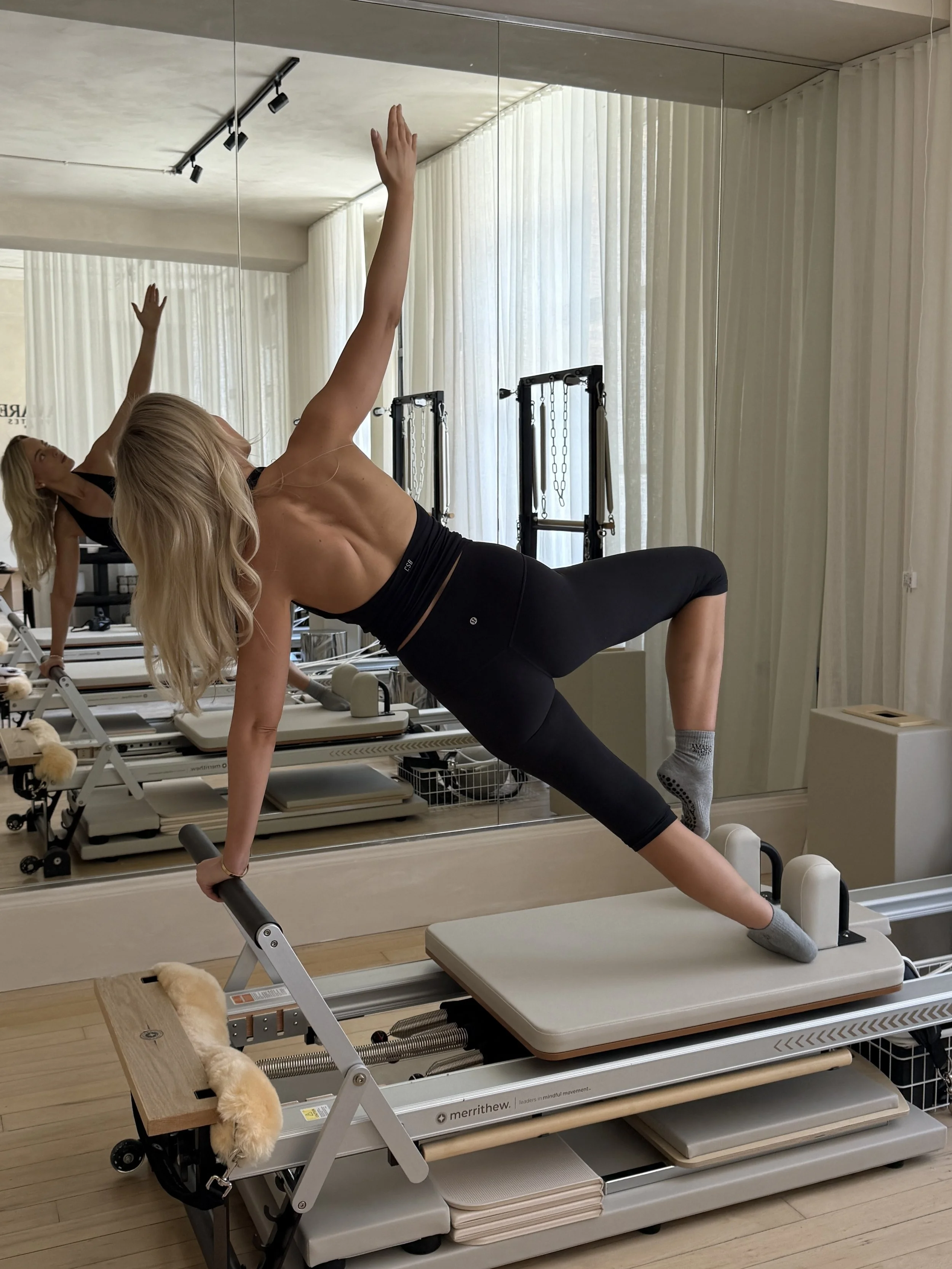
Five reformers also set a firm limit on how many places Amare can sell in a class. Marina made semi-private sessions central to the offering because she wanted clients who booked a group class to receive the kind of attention she could give in a private session.
““Our business model is built around offering a more intimate, elevated experience, and I believe that maintaining that quality is what creates long-term value.””

For a first-time visitor, the welcome starts with learning their name and asking about their Pilates experience. For regulars, seeing the same people in class has led to relationships outside the studio.
“I think luxury and warmth can absolutely coexist,” she says.
Since opening, Marina’s biggest adjustment has been taking on the work that happens outside the teaching room. Running operations, managing a team and giving clients a consistent experience across classes now sit alongside teaching. For instructors considering their own studio, her advice starts with the part of Amare she spent six years building. “My advice to another instructor would be to start small, build a strong foundation, and really understand the community you're creating something for.”

Marina owns Amare Pilates in New York City.