
A Conversation with the Body: How Listening Deepens Your Pilates Practice
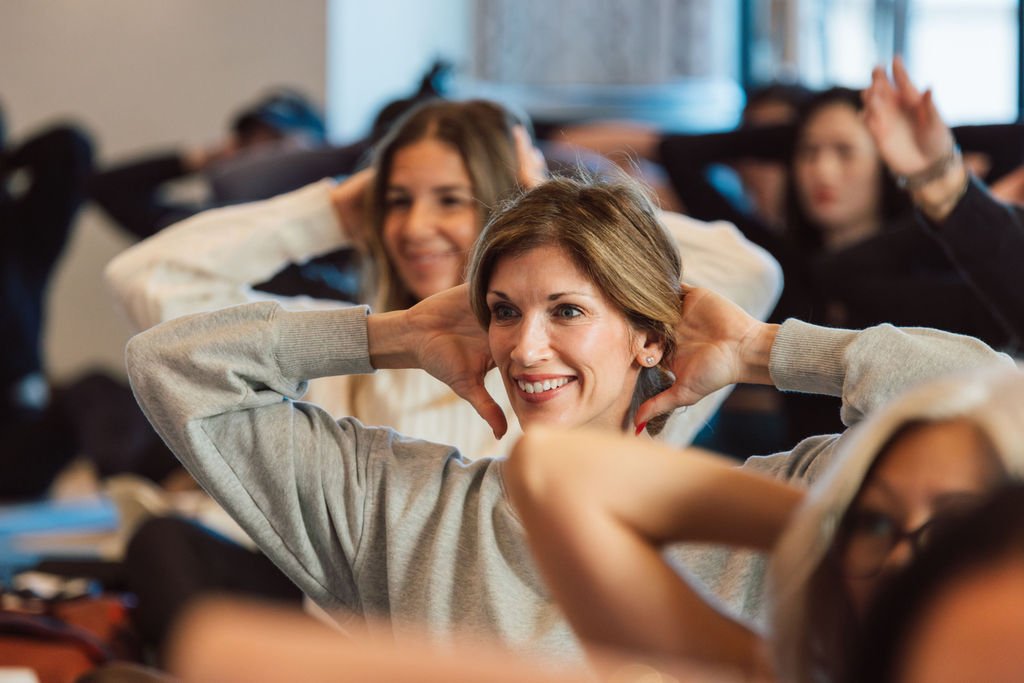
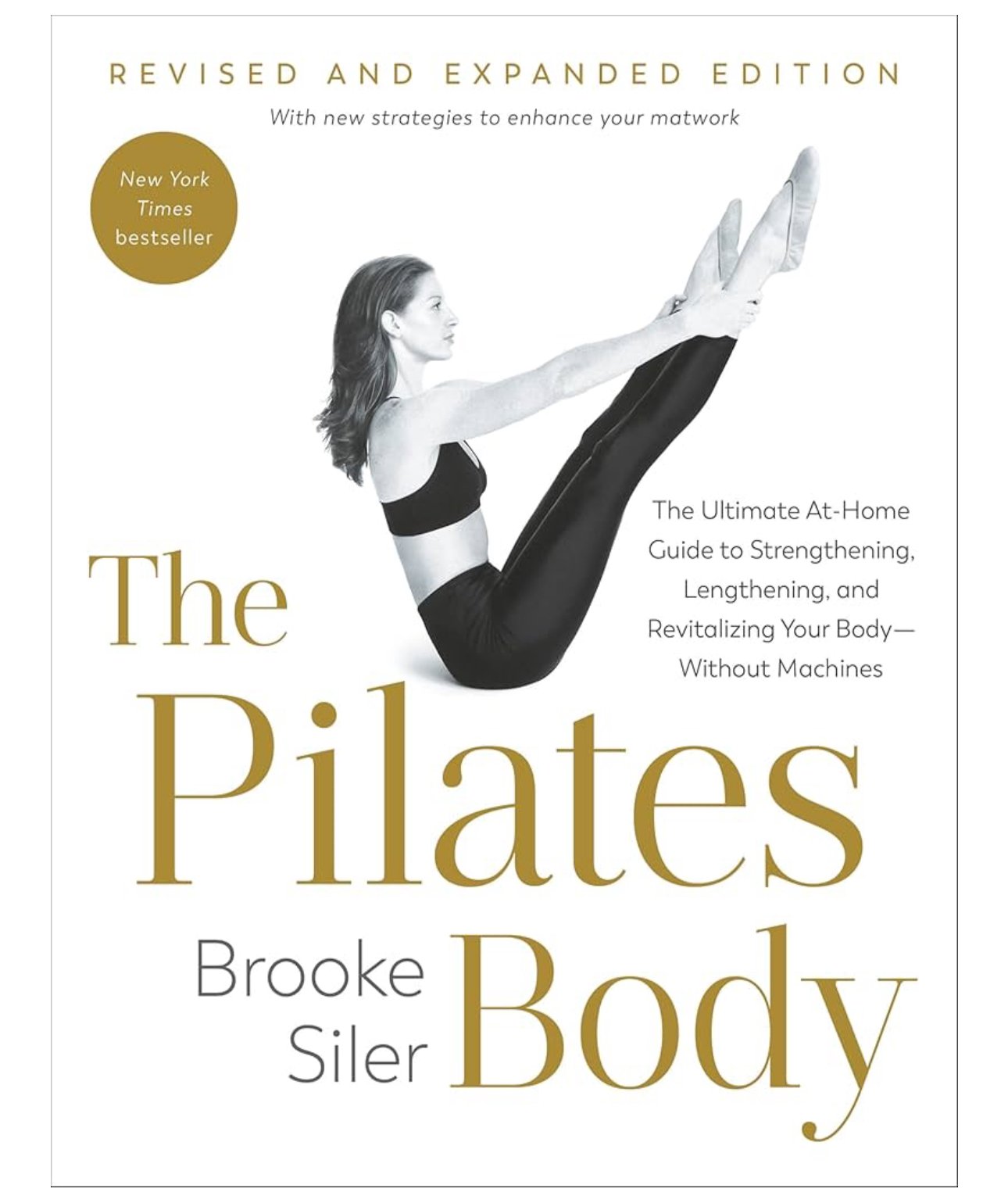
“Listening” might seem like a confusing term for what we experience when we tune into our bodies as they move, as it is a completely internal process. Instead of needing to translate the external stimuli from a teacher’s direction into movements for our bodies to follow, we guide ourselves by what we feel; it’s an intuitive process. We’re listening for a feeling, for sensation, for an inner wisdom that is inherent in all of us from birth; a concept espoused by Joe Pilates in his 1945 book Return to Life Through Contrology, and further explored in my recently expanded edition of The Pilates Body.
Listening to your body is an invitation to quiet your awareness, especially from the right-and-wrong thinking that can crowd our minds during practice. Throughout the Hundred, for example, my inner dialogue might sound like: “How does my back feel here? Do I feel more work when my legs are higher or lower? Can I deepen my breath and expand my ribs more?” “Can I match my breath to my heartbeat?” By the time I’ve interviewed those sensations in my body, that movement series is over. It’s a much quieter and kinder curiosity than thoughts like, “I wonder if I’m doing this right?”, “Why does this never feel good on my back?” or “My god, how long is a hundred anyway??”
Deep listening also opens the door to the unexpected. When our minds are full of instruction and self-judgement, we leave no room for insight and imagination. In my own self-practice, I’m always startled by how much seemingly “new” inner wisdom arises. A recent rotational exploration on the Cadillac immediately led to a deeper understanding of my tennis swing.
So how do we shift toward that kind of natural awareness, and how do we help our students do the same? The answer - by practicing. Intuition is a skill built on trust; trusting our bodies to speak and our minds to listen. Whether for five minutes or fifty, consistent practice strengthens that trust. To paraphrase Joe; you must make up your mind to practice Contrology for ten minutes every day without fail, and soon you will subconsciously lengthen your practice from ten to twenty minutes or more. Why? You have stirred your sluggish circulation into action, cleared your brain and boosted your willpower.
Every positive result becomes motivation to continue and, once this awareness becomes natural within us, we can help others find it too. How? Maybe we allow moments of silence for a student to sense their own alignment. Maybe we ask how an exercise felt rather than assuming we know based on what we see. Maybe you’ll encourage them to practice something on their own. My teacher, Joe’s protegee Romana, used to leave us to our own curated endings at the end of our sessions. (The wall, weights, or exercises she had hand-picked for our specific needs.) That space encouraged our independence.
As teachers, it’s essential to understand our teaching intentions. If we want clients dependent on us, we’ll withhold opportunities for them to learn to trust themselves. If we want to empower them, we’ll leave room for self-reflection, foster curiosity and ask questions instead of issuing instruction. It may not be within the initial sessions, or maybe it will be. When we trust the method itself, when we really meet the person, we are working with, we understand that teachers are a means to an end - and that true teaching creates independent movers and thinkers who grow from within.
Many studios today prioritize efficiency over exploration. When I owned a large studio students could come early, stay late, roll around on giant mats, bounce on Swiss balls and watch others’ lessons. It was a space filled with learning and play. Play is powerful. It invites creativity, relieves stress, and promotes the kind of curiosity in a practice that fuels growth. It lets us explore movement without judgment, strengthening our confidence and building that all-important internal trust.
Pilates, at its core, is a dialogue between body and mind. For a teacher, finding balance between direction and dictation is key. Direction offers guidance and goals, while honoring growth; dictation demands only obedience. We know Joe was strict about adherence, but evidenced by archival documentation, what he clearly valued most was consistency, concentration and control.
In 1940s New York City Joe Pilates saw a society burdened by tension, exhaustion, and spiritual fatigue - not too unlike today. His was a call to reclaim vitality through natural movement, awareness and concentrated effort. As I’ve put forth my own book, that dialogue is fostered by coordinating breath and movement, tensing and releasing muscles to bolster circulation, and directing attention to ourselves. These principles being the secret, Joe believed, to awakening our physical energy, spiritual strength, and living more fully and harmoniously.
In a world full of noise, alerts, and demands, we all need a refuge. Isn’t it wonderful to know that that refuge exists within us; steady, alert, and always ready for us to listen!
The Pilates Body Revised and Expanded edition, out December 2nd 2025, is the definitive guide to mat-based Pilates from a renowned, celebrity trainer with more than three decades of experience—now with a new chapter of matwork-enhancing strategies and archival variations on classic exercises
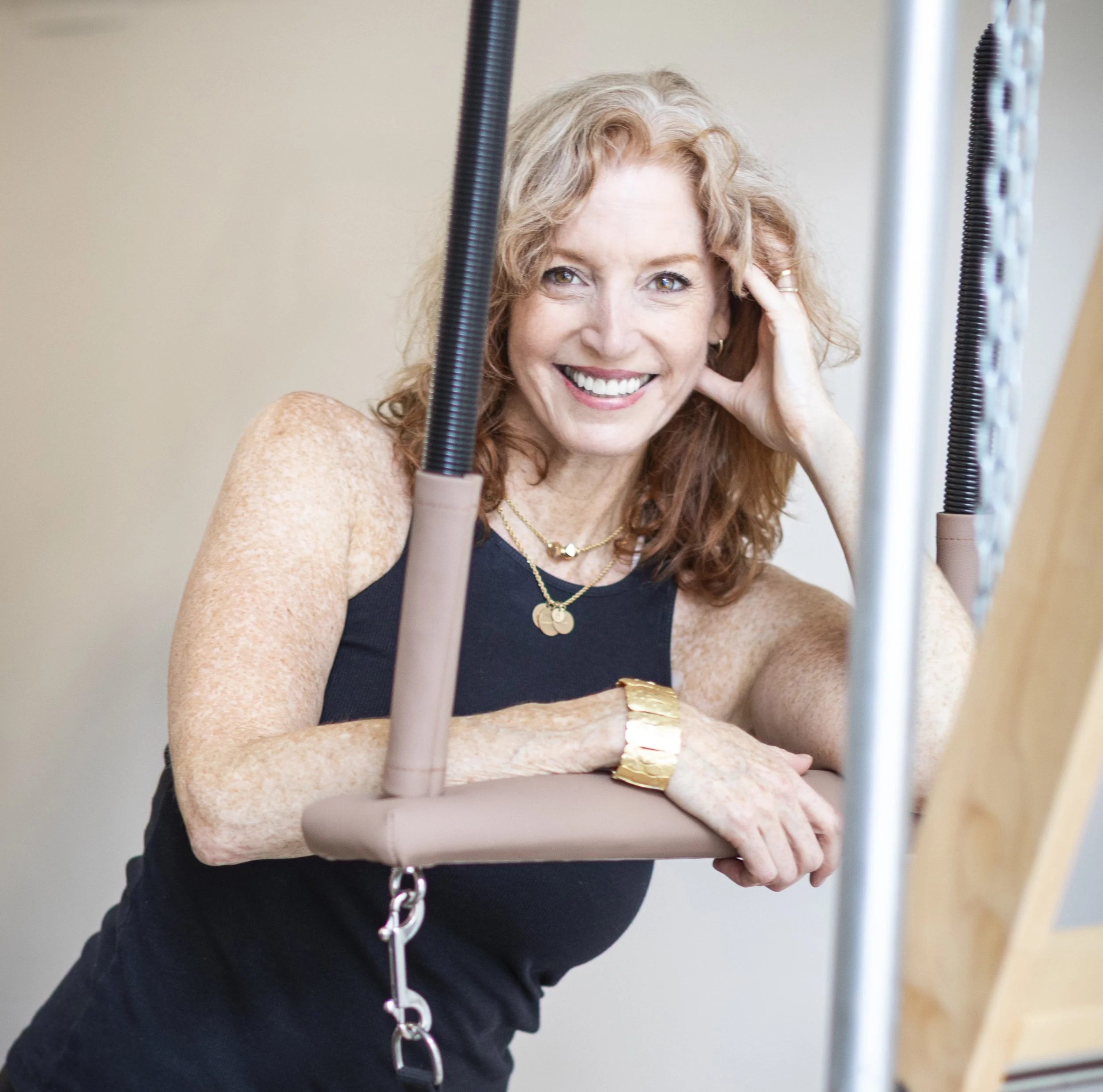
Brooke Siler began her Pilates training in 1994 spending a decade training under Joseph Pilates’ protégée Romana Kryzanowska, later opening her award-winning Manhattan studio, re:AB Pilates, in 1997. Quickly embraced by Hollywood’s A-list, Brooke became one of the most recognised voices in Pilates. She is best known for her New York Times bestseller The Pilates Body - recently released in a revised and expanded edition in 2025. Her other books include Your Ultimate Pilates Body Challenge and The Women’s Health Big Book of Pilates, and in 2021 she launched The Tensatoner™ teaching tool, inspired by two of Joe Pilates’ lost apparatus. Since moving to the UK in 2015, Brooke has continued teaching and presenting worldwide, remaining fiercely passionate, purposeful and authentic in her person and her work.
www.brookesilerpilates.com @brookesilerpilates