
Reigniting the Spark: Five Ways to Inspire Your Teaching After Years in the Industry

Teaching Pilates for years is a privilege. Over time, you accumulate knowledge, experience, and intuition that only comes from being in the room with hundreds, sometimes thousands of bodies. But longevity can also bring familiarity. The sequences become second nature, the cues automatic, and the rhythm of classes predictable.
So how do you keep your teaching feeling alive - not only for your clients, but for yourself?
Inspiration rarely arrives by accident. It’s something you actively seek, cultivate, and return to again and again. Here are five ways experienced teachers can reconnect with their curiosity and keep the spark in their teaching.
1. Step Back Into the Student Role
One of the most powerful ways to grow as a teacher is to become a student again.
Attend a class with someone whose teaching you respect - ideally a mentor, senior teacher, or educator who has influenced your work. Watching how they structure a class, the way they sequence exercises, the pacing they choose, and even how they hold the room can offer profound insight.
Often, the biggest learning comes from subtle details: a pause before an important cue, a creative transition, or the way they simplify something complex.
It’s also a reminder that teaching is an evolving craft. Even teachers with decades of experience continue refining their approach. Observing others helps break habitual patterns and encourages you to see familiar exercises through a new lens.
“Observing others helps break habitual patterns and encourages you to see familiar exercises through a new lens.”
2. Read Outside the Studio
Great teachers draw inspiration from many places - not just the Pilates world.
Books on anatomy, movement science, coaching, psychology, or even philosophy can deepen the way you think about teaching. They introduce new language, new frameworks, and fresh perspectives that can subtly reshape how you communicate with clients.
Reading encourages deeper thinking and reflection. It allows ideas to settle and develop over time, rather than rushing past them.
You may not walk into your next class quoting a textbook, but the insights you absorb often influence the way you cue, observe movement, and understand your clients.
***For a list of great reads– see the below recommendations at the end of this article.
3. Change Your Teaching Environment
Routine can be comforting but it can also dull creativity.
If you’ve been teaching the same classes in the same studio for years, consider changing the environment occasionally. This might mean teaching a workshop, hosting a pop-up class, guest teaching at another studio, running a retreat or a session outdoors.
Even small changes can stimulate new ideas. Different equipment setups, a new room layout, or a fresh group of students can push you to adapt your cues and programming.
Teaching in unfamiliar environments reminds you that Pilates is not just a sequence of exercises, it’s a dynamic interaction between teacher, client, and space.
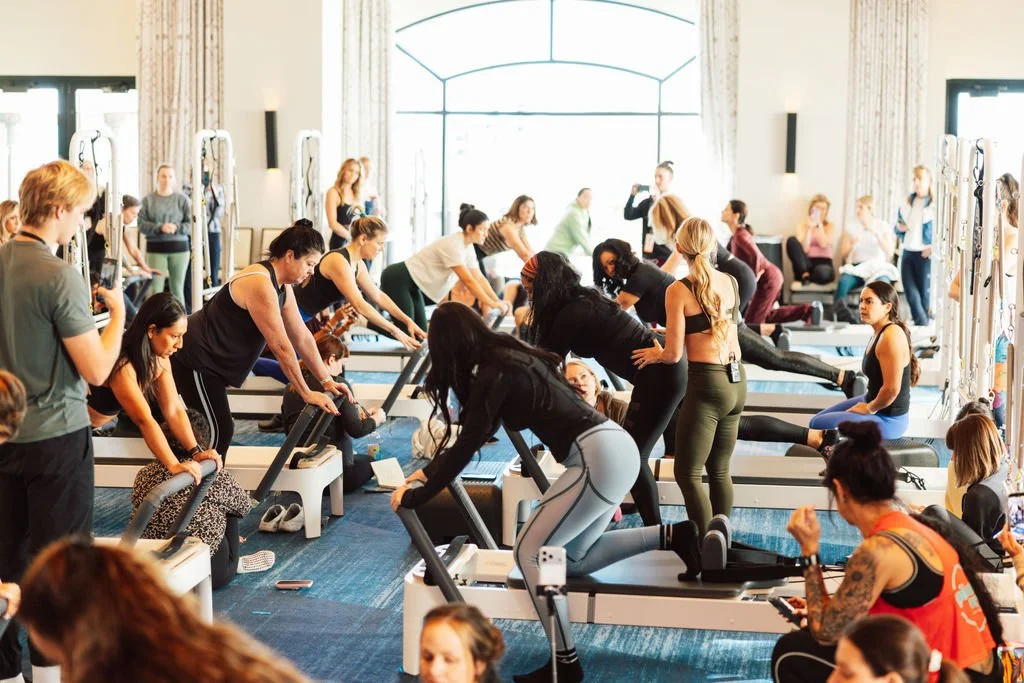
4. Attend Industry Events and Conferences
Sometimes the biggest spark comes from stepping outside your everyday teaching world.
Industry events bring together educators, studio owners, instructors, and innovators who are all passionate about the future of Pilates. Spending time at events like The Pilates Journal Expo in workshops, panel discussions, and informal conversations exposes you to different perspectives, teaching styles, and ideas.
Beyond the formal sessions, the real value often lies in the conversations between them, the shared challenges, the stories from other studios, and the ideas exchanged over coffee.
Events like The Pilates Journal Expocreate a space where the industry comes together to learn, connect, and look ahead. For many teachers, attending even one event a year can reignite motivation and remind them they are part of something bigger than the four walls of their studio.
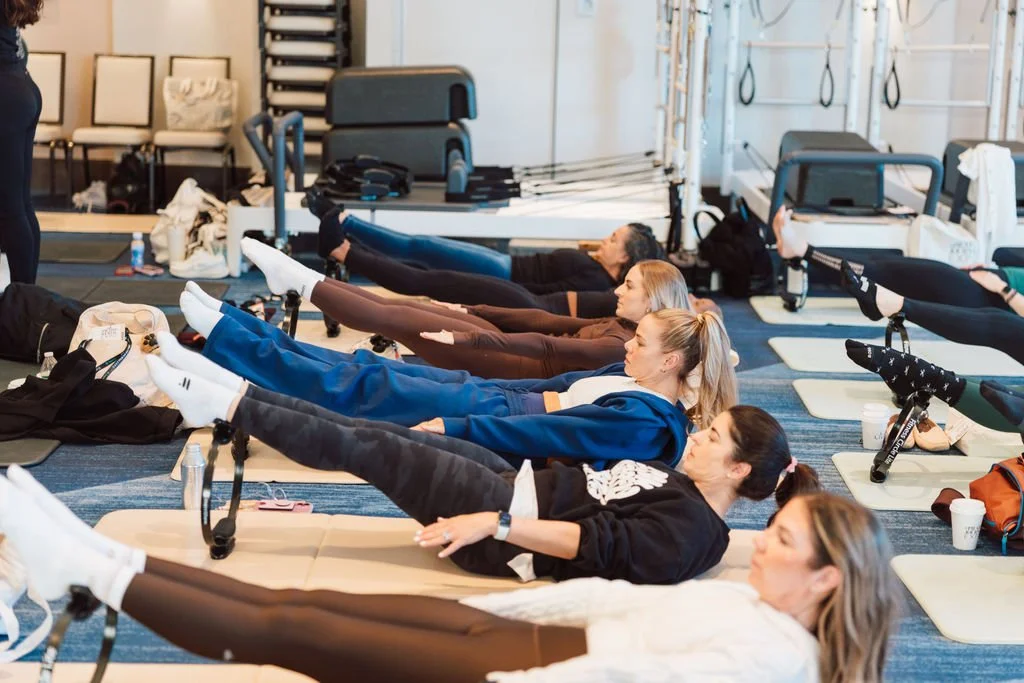
5. Use March Matness as a Reset
Every March, teachers around the world participate in March Matness, a global celebration of the original mat repertoire created by Joseph Pilates.
For experienced instructors, this month can be more than a social media trend. It can be a powerful opportunity to revisit the foundations of the method.
Teaching or practicing the exercises in order, The Hundred, Roll Up, Single Leg Stretch, Spine Stretch Forward, etc, encourages you to slow down and look more closely at movements you may teach every day.
What is the intention of the exercise?
Where is the control?
What is the progression actually asking of the body?
Returning to the mat repertoire with curiosity often reveals details that have been overlooked over time.
Sometimes the greatest inspiration doesn’t come from something new, it comes from seeing the original work with fresh eyes.
The Ongoing Evolution of a Teacher
Great teaching is never static. It evolves through curiosity, observation, conversation, and continual learning.
Whether it’s stepping back into the role of student, exploring ideas beyond Pilates, changing your environment, attending an industry gathering, or reconnecting with the original repertoire during March Matness, inspiration is always within reach.
Because the truth is, the spark never really disappears.
Sometimes we just need to create the space to rediscover it.
————————————————-
Books to Inspire Pilates Teachers
1. Caged Lion – John Howard Steel
One of the most detailed biographies of Joseph Pilates. It offers insight into the life experiences that shaped the method and helps teachers better understand the philosophy behind the exercises.
2. Return to Life Through Contrology – Joseph Pilates
The original text from Joseph Pilates himself. Revisiting this book can be incredibly grounding and reminds teachers of the simplicity and clarity behind the method.
3. The Pilates Body – Brooke Siler
A modern classic that clearly explains many foundational exercises and principles. It’s particularly helpful for reflecting on cueing and how to communicate movements to clients.
4. The Pilates IT Factor – John Garey
A practical guide for instructors looking to elevate their presence and effectiveness in the studio. John explores what makes a great teacher beyond exercise knowledge — communication, confidence, clarity, and connection.
5. Atomic Habits – James Clear
Not Pilates-specific, but extremely relevant to teaching. It explores how small habits shape long-term change — something every instructor witnesses when guiding clients over months or years.