
Beyond One Modality
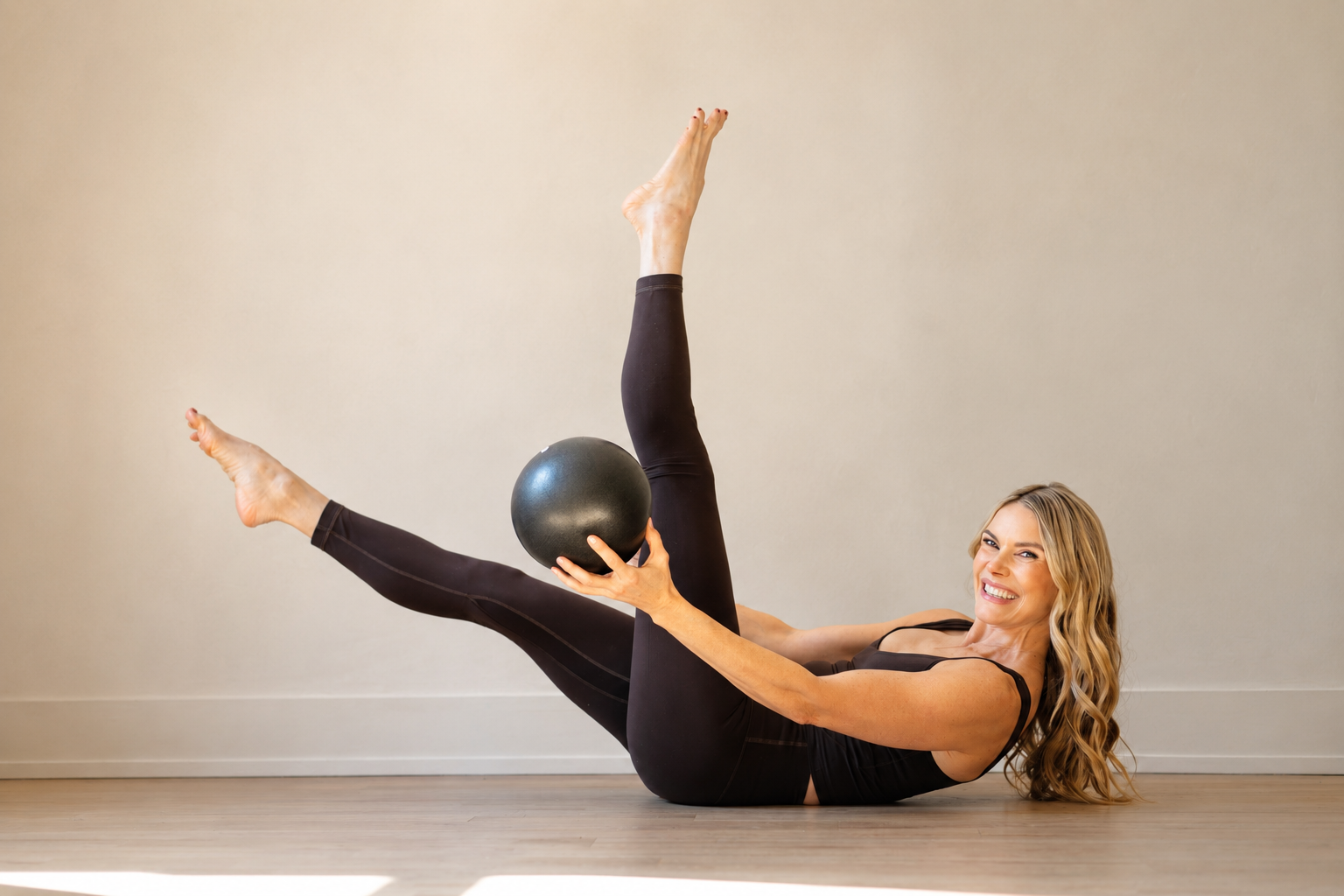
Long before the fitness industry began talking about multidisciplinary teaching, Kristin McGee was already living it.
Across three decades, her career has moved through yoga studios, Pilates studios, television screens, streaming platforms, digital fitness companies and wellness media. Yet despite the variety of roles and modalities, Kristin doesn't see her career as a series of pivots.
Instead, she sees it as a natural extension of curiosity.
"Honestly, I never set out to be the yoga person or the Pilates person," she says. "I just kept following what genuinely lit me up."
That mindset has become increasingly relevant as today's movement professionals navigate an industry that looks very different from the one that existed even a decade ago.
For Kristin, the key is understanding that evolution and authenticity are not opposing forces.
The End of the One-Modality Career
The fitness industry has long encouraged specialization. Instructors were often known for a single discipline and built careers within clearly defined categories.
Today, those lines are becoming increasingly blurred.
"We're seeing more instructors blend Pilates, strength training, mobility, yoga and recovery because the body is not compartmentalized," Kristin says. "No single modality gives you everything."
She points to a growing understanding of what people actually need to support long-term health. Yoga develops flexibility and breath awareness. Pilates builds core strength and body awareness. Strength training supports muscle mass and bone density. Recovery practices help maintain resilience.
Increasingly, clients are looking for all of it.
"Women in midlife especially are waking up to this," she says. "They are not interested in just one thing anymore. They want to feel strong and mobile and grounded, and they are asking for integrated approaches."
That shift is changing what successful movement careers look like.
Go Deep Before You Go Wide
While Kristin embraces multidisciplinary teaching, she cautions against expanding too quickly.
"I think you need a deep foundation in at least one area before you start expanding," she says.
For her, yoga provided that foundation. Years of study and practice created the depth that later allowed her to incorporate Pilates and strength training with confidence and credibility.
"If you try to teach everything without mastering something, your students will feel that."
In Kristin's view, the goal is not to collect certifications. It is to develop genuine expertise and then build outward from that base.
"The instructors I admire most are the ones who have gone deep and then gone wide."
Where Pilates and Yoga Meet
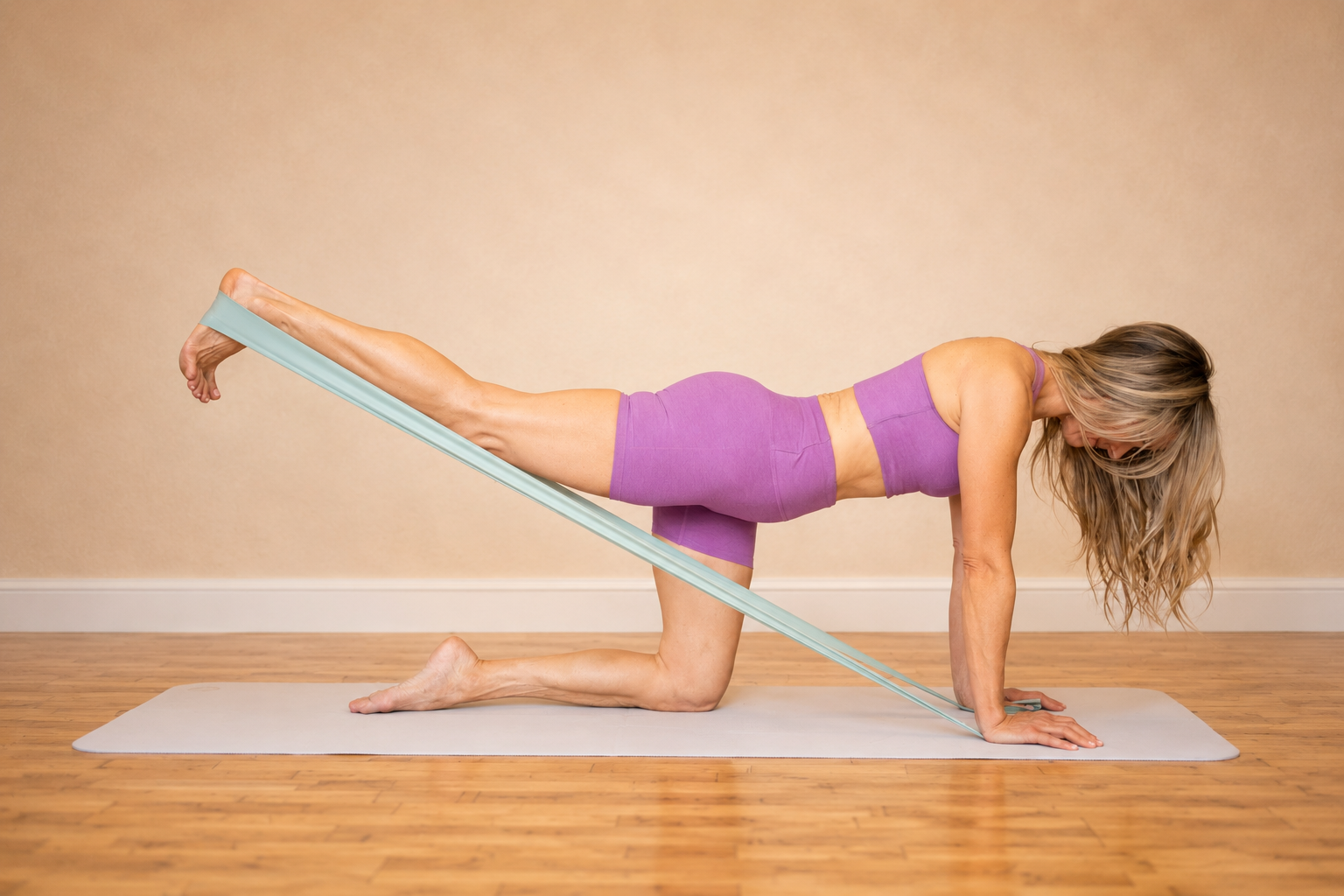
Kristin's own career illustrates how different movement disciplines can strengthen one another rather than compete.
Yoga taught her to begin with the breath.
"Before we talk about alignment or strength or flexibility, we talk about the breath," she says. "The breath is not an afterthought, it is the foundation of every movement."
Pilates, meanwhile, sharpened her understanding of anatomy and biomechanics.
"It gave me a much more precise awareness of the deep stabilizing muscles, the way the pelvis and spine relate, the way small adjustments create enormous shifts."
The result is not a blending of methods but an ongoing conversation between them.
"The two practices have been in conversation in my body for so long that they are genuinely inseparable now."
Teaching Beyond the Studio
Few instructors have witnessed as much industry change as Kristin.
Over the course of her career she has taught in studios, on television, through streaming platforms and across digital channels. What those experiences reinforced was not the difference between formats, but the consistency of what people need from a teacher.
Early on, she thought being a great teacher meant knowing all the cues and corrections and sequencing.
Three decades later, she sees the role differently.
"The most important thing a teacher does is make someone feel seen."
Whether teaching one client in a studio or thousands through a screen, the objective remains the same.
"You are helping someone find a relationship with their own body. That is sacred work, however it is delivered."
Connection Beyond the Studio
The rise of digital fitness transformed how instructors connect with their communities.
"It taught me that connection is possible at scale in ways I never imagined."
What surprised her most was the depth of those relationships.
"I hear from people who have been practicing with me for years through a screen who feel genuinely changed."
Creating those experiences requires different skills than teaching in person. Instructors must learn how to communicate through a lens, build trust remotely and create a sense of belonging across time zones and countries.
Yet the principle remains familiar.
"People want to be known, not just taught," she says. "They want to feel like you are talking to them specifically, even when you are talking to many."
Staying Relevant Without Losing Yourself
Kristin believes professional evolution becomes much simpler when instructors stop defining themselves by a modality and start defining themselves by their purpose.
"The throughline is what keeps you coherent, not the modality."
For her, that throughline has always been helping people feel at home in their bodies.
Whether she is teaching yoga, Pilates, strength training or creating written content, the mission remains unchanged.
"When everything you do comes from that same place, your audience does not get confused. They recognize you."
The real danger, she says, is not diversification. It is pursuing opportunities that are disconnected from your purpose.
The Future Belongs to Lifelong Learners
As the movement industry continues to evolve, Kristin believes the professionals who thrive will be those who remain students.
"I keep practicing," she says. "When you stay a student, you stay curious."
That curiosity has helped her distinguish between short-term trends and enduring principles.
"Trends come and go, but the truth that movement heals, that breath matters, that consistency compounds over time - that does not change."
Looking ahead, she is particularly excited by the growing focus on longevity, functional aging and helping people move well throughout their lives.
"The conversation is finally catching up to what practitioners like me have known for years."
She also sees enormous opportunity in the democratization of education and access. Today's instructors can build communities, own their platforms and reach people around the world in ways that were impossible when she began her career.
Because in an industry increasingly focused on longevity, the most sustainable professional path may not be being known for one thing. It may be remaining curious enough to keep growing.
——————————
Kristin McGee is a nationally recognized yoga and Pilates teacher, speaker, mompreneur, and author. With over three decades of experience in the fitness and wellness space, she has had a continuous roster of high profile celebrities, pioneered the launch of Peloton’s yoga and pilates program, and recently branched out on her own to launch Kristin McGee Movement.
In addition to her blog content, Kristin offers 1-on-1 virtual sessions, corporate wellness programs, speaking engagements, and brand collaborations.