
Has Pilates Choreography Gone Too Far?
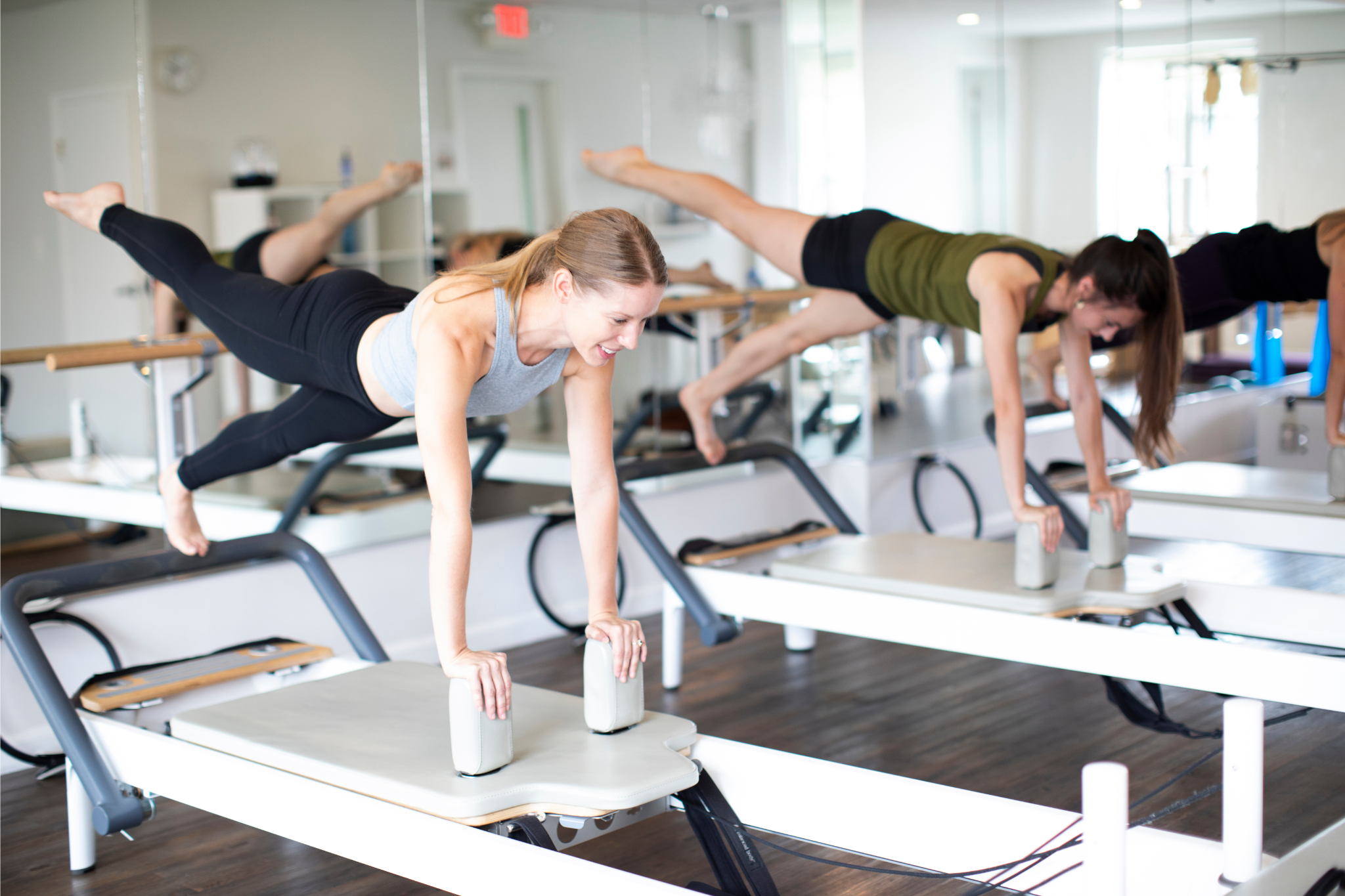
In the Pilates community, choreography serves as an essential element in both classical and contemporary practices. However, as the art of movement in Pilates evolves, the question arises: Has it gone too far? This blog post explores how classical and contemporary Pilates utilize choreography and examines its potential benefits and implications for group classes.
Classical Pilates Choreography
Choreography plays a fundamental role in classical Pilates, involving a specific sequence of exercises rooted in Joseph Pilates' teachings. It emphasizes alignment, body control, and movement across various planes, with each exercise building on the previous one to create a cohesive flow. While this choreography may seem rigid at first, it establishes a solid foundation that supports practitioners’ progress toward advanced techniques. As they develop strength and control, transitions become more seamless, enabling participants to perform more exercises with fewer breaks.
Following the established orders of the Classical Mat or Reformer repertoires fosters consistency and familiarity while instilling discipline in practice. While certain exercises can have varied choreography, classical Pilates adheres to specific rhythms passed down through Joseph Pilates and his predecessors. This is why music is not played in classical classes; instead, the body sets the rhythm. These rhythms help instructors keep multiple clients at the same pace or challenge individuals to experience control at different tempos. A faster tempo does not necessarily equal greater difficulty, nor does a slower tempo imply ease. The rhythms and tempos throughout the repertoire of the Mat and Reformer create a dynamic workout as exercises deliberately crescendo and decrescendo.
Contemporary Pilates Choreography
Contemporary Pilates embraces a fluid and artistic interpretation of exercise sequencing, often introducing innovative programs that enhance the overall experience while focusing on specific areas such as lower body, upper body, or full-body workouts. Many contemporary classes incorporate music to synchronize timing and rhythm, creating an engaging atmosphere that encourages participants to move together. Unlike classical Pilates, where the body sets the tempo, music takes on this role, helping to keep the class engaged and providing a distraction during higher repetitions.
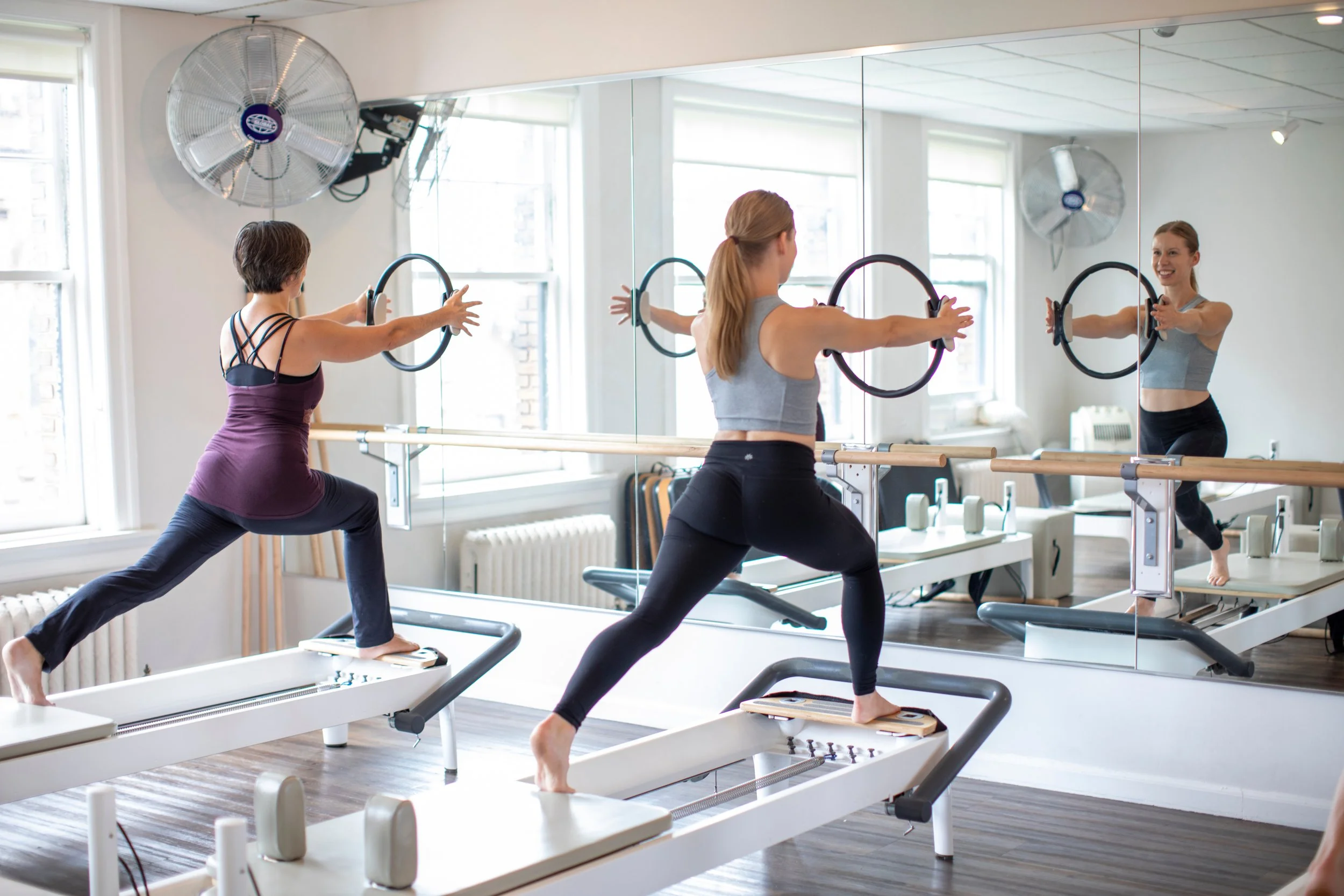
Just as classical Pilates utilizes tempo and rhythm for cohesion, music can achieve the same goal. Contemporary styles frequently integrate elements from various movement disciplines, enriching the Pilates experience. For instance, incorporating a yoga flow into a reformer routine presents the challenge of advanced transitions while allowing practitioners to experience fluidity in movement. Similar to classical Pilates, as movements become more seamless, they present greater challenges, and employing functional training movements can help build strength, further enhancing the effectiveness of Pilates work.
Shared Goals
Both classical and contemporary Pilates highlight choreography's role in creating effective workouts. Classical Pilates focuses on alignment, body control, and seamless transitions based on Joseph Pilates' teachings, while contemporary Pilates embraces fluid sequencing and innovative programs targeting specific muscle groups. Both styles use tempo and rhythm to promote cohesion; classical relies on the body for rhythm, whereas contemporary incorporates music for synchronization. As movements become more seamless, they present greater challenges, integrating diverse elements—classical adheres to traditional rhythms, while contemporary includes disciplines like yoga and functional training. Ultimately, both aim to provide disciplined, engaging workouts that foster movement control and growth.
Has Choreography Gone Too Far?
An excessive focus on choreography—whether in classical or contemporary Pilates—can dilute the foundational principles of the practice. While the principles of Concentration and Flow/Efficiency of Movement are often emphasized, other essential principles may be compromised or overlooked. This raises the question of when a workout transitions from true Pilates to becoming "Pilates-inspired" or something entirely different. Furthermore, prioritizing aesthetics over proper alignment and form can increase the risk of injuries and diminish overall workout effectiveness, as elaborate choreography may overshadow clients' abilities to execute intended exercises correctly.
Complex choreographed sequences can also be overwhelming, particularly for beginners or those unfamiliar with movement patterns. In group class settings, where multi-level participation is common, clients' varying skill levels can complicate the experience. The pressure to create intricate routines may divert instructors from focusing on core objectives such as functional movement and self-awareness. While creativity is vital for keeping classes engaging, it should not come at the expense of foundational skills. Instructors must strive to balance expressive movement with a steadfast commitment to Pilates principles, fostering an environment that encourages both creativity and proper technique.
Striking the Right Balance
To strike the right balance between creative choreography and foundational Pilates principles, instructors can begin classes with simple sequences to establish strong technical foundations before introducing more complex elements. Minimizing the use of props or keeping sequencing straightforward ensures that participants grasp the core principles of Pilates while staying engaged. Observing whether clients embody these principles allows instructors to challenge their flow and efficiency of movement appropriately. If clients struggle to concentrate, moving to a faster tempo may hinder exercise effectiveness, emphasizing the need for a mindful approach.
Encouraging personalization is also crucial; allowing students to modify movements and offering varied pacing—whether or not music is used—gives clients greater autonomy over their workouts. This fosters an inclusive atmosphere that enhances creativity while respecting core Pilates techniques. Instructors should seek feedback from clients to gauge preferences, enabling them to adjust class structures as needed. Tailoring sessions to accommodate diverse skill levels ensures all participants feel engaged and empowered, creating a more enjoyable and effective Pilates experience.
Conclusion
In conclusion, choreography in Pilates, whether classical or contemporary, can be a powerful tool that enhances the practice and elevates the overall experience for clients. Both styles share the common goal of fostering movement control and growth, and when approached thoughtfully, choreography can enrich workout effectiveness. By striking the right balance between creativity and foundational principles, instructors can create engaging classes that cater to diverse skill levels. Starting with simple sequences, encouraging personalization, and actively seeking client feedback allows instructors to craft an inclusive environment that celebrates both artistic expression and the integrity of Pilates. Ultimately, when choreography is implemented with critical thinking and intention, it has the potential to transform Pilates classes into empowering experiences for all participants.

Michelle DuVall has nearly 20 years of experience teaching Pilates, drawing from her background as a professional dancer and her credentials as the creator of two barre fitness programs and a certified yoga instructor. As a third-generation teacher trainer with Power Pilates, she is dedicated to empowering others through movement.