
Embodiment in Pilates: Moving Beyond the Exercise
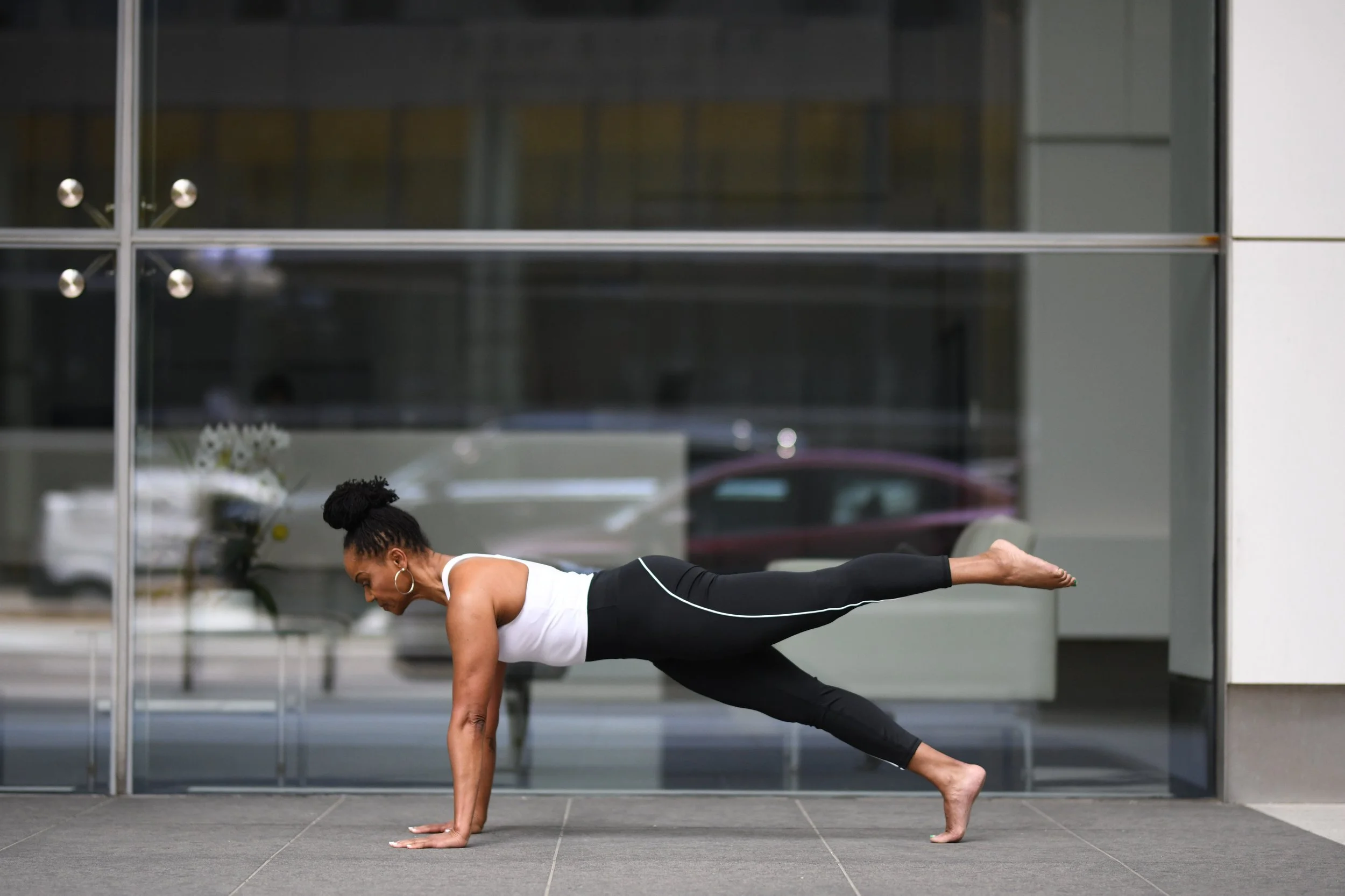
In Pilates, we often talk about form, alignment, and precision. Beneath all of that is something deeper: embodiment. Embodiment is the difference between doing Pilates and truly experiencing it.
While Joseph Pilates never used the modern term embodiment, he described it clearly through his method, Contrology, which he defined as “the complete coordination of body, mind, and spirit”. From the beginning, Pilates was not meant to be mechanical. It required presence, attention, and conscious participation.
When movement is embodied, the body is not simply following instructions. It is sensing, responding, and organizing itself from the inside out. Breath informs effort. Awareness guides range. Intention shapes how movement unfolds. As one client, Sharon, shared: “I’m not trying to get it ‘right’ anymore. I can feel when my body is organized, and I adjust on my own. The movement feels more natural and connected now.”
Joseph Pilates emphasized that movement must be governed by the mind, not habit or momentum. He cautioned against careless repetition, reminding us that: “A few well-designed movements, properly performed in a balanced sequence, are worth hours of doing sloppy calisthenics.”
This is where embodiment differs from performance. Performing Pilates often looks like chasing shapes, memorizing choreography, or seeking external approval. Embodied Pilates is responsive. The practitioner listens, senses, and makes choices in real time. Movement adapts to the body rather than the body being forced into movement.
An embodied Pilates practice encourages practitioners to focus on the sensory experience of the movement, identifying the appropriate distribution of effort, the integrated action of the spine, breath, and limbs, and the body's continuous, moment-to-moment adaptations.
Breath is central to this process. Pilates called it essential to life and vitality: “Breathing is the first act of life and the last.” In an embodied practice, breath is not an add-on; it supports pacing, effort, and control.
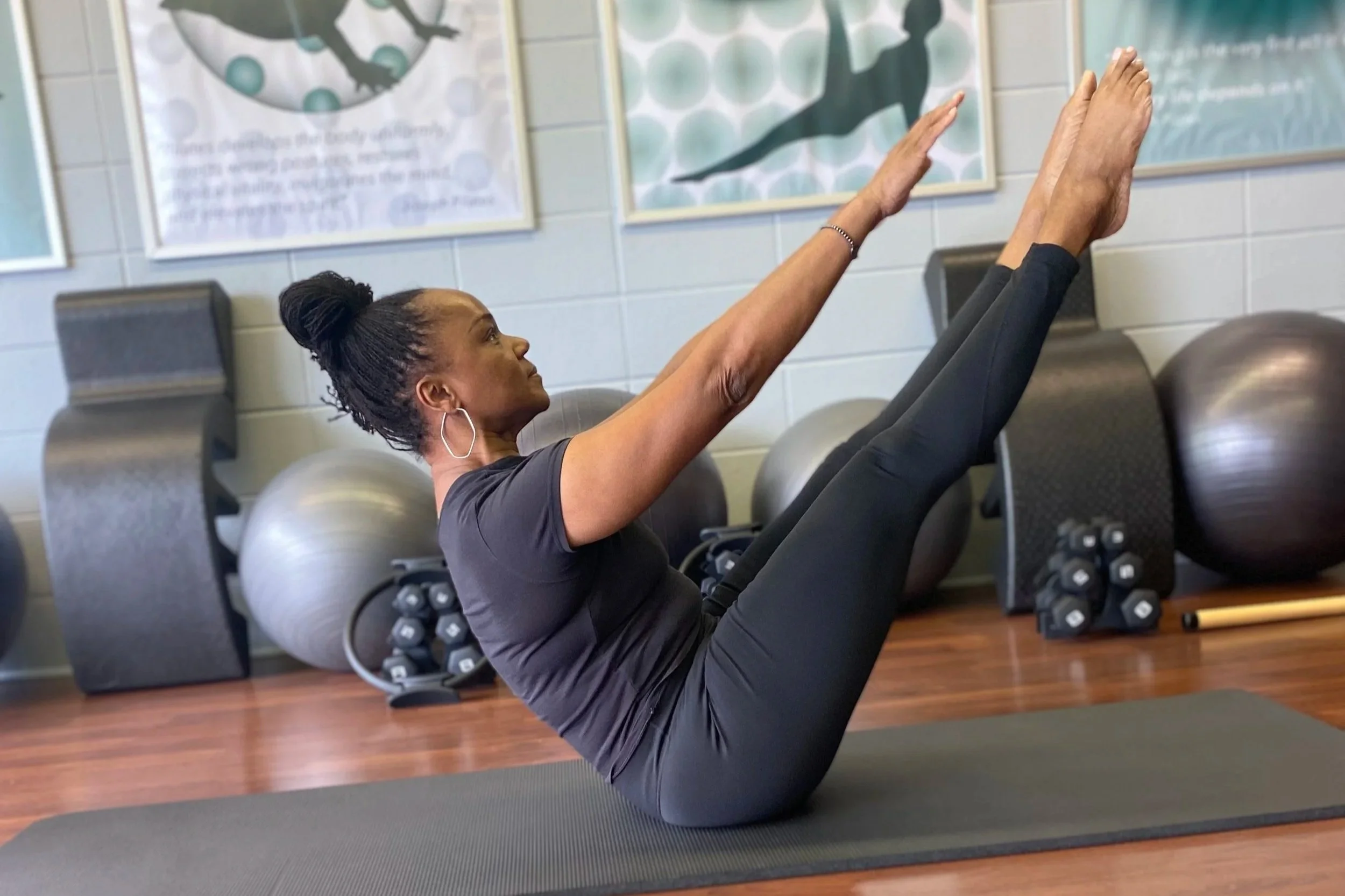
Another client, Linda, described how this awareness now carries beyond the studio: “Pilates isn’t just something I do in class anymore. I notice my breath and posture throughout the day, and my body feels more responsive and less tense overall.”
In modern terms, embodiment allows the nervous system to fully participate in learning. Awareness-driven movement improves coordination, reduces unnecessary tension, and supports adaptability. This is why embodied Pilates supports resilience and longevity, not just strength or flexibility.
For students, embodiment builds confidence, safety, and autonomy. For instructors, it sharpens observation and improves cueing. Teaching becomes less about fixing and more about facilitating learning.
Joseph Pilates described his work as the “complete coordination of body, mind, and spirit.” Embodiment is how that coordination comes to life.
For me, embodiment has changed over more than 30 years of practicing and teaching Pilates, not because I am an industry professional, but because I am a consistent practitioner. As my life has shifted through grief, loss, success, and joy, how I embody the work has shifted too. The practice has met me differently in different seasons because I have been different.
Embodiment is not static, and it is not something to chase. It is a relationship that evolves as we do. In every session, the question becomes less about what the exercise looks like and more about how the body is experiencing it today.
That is where real learning happens.
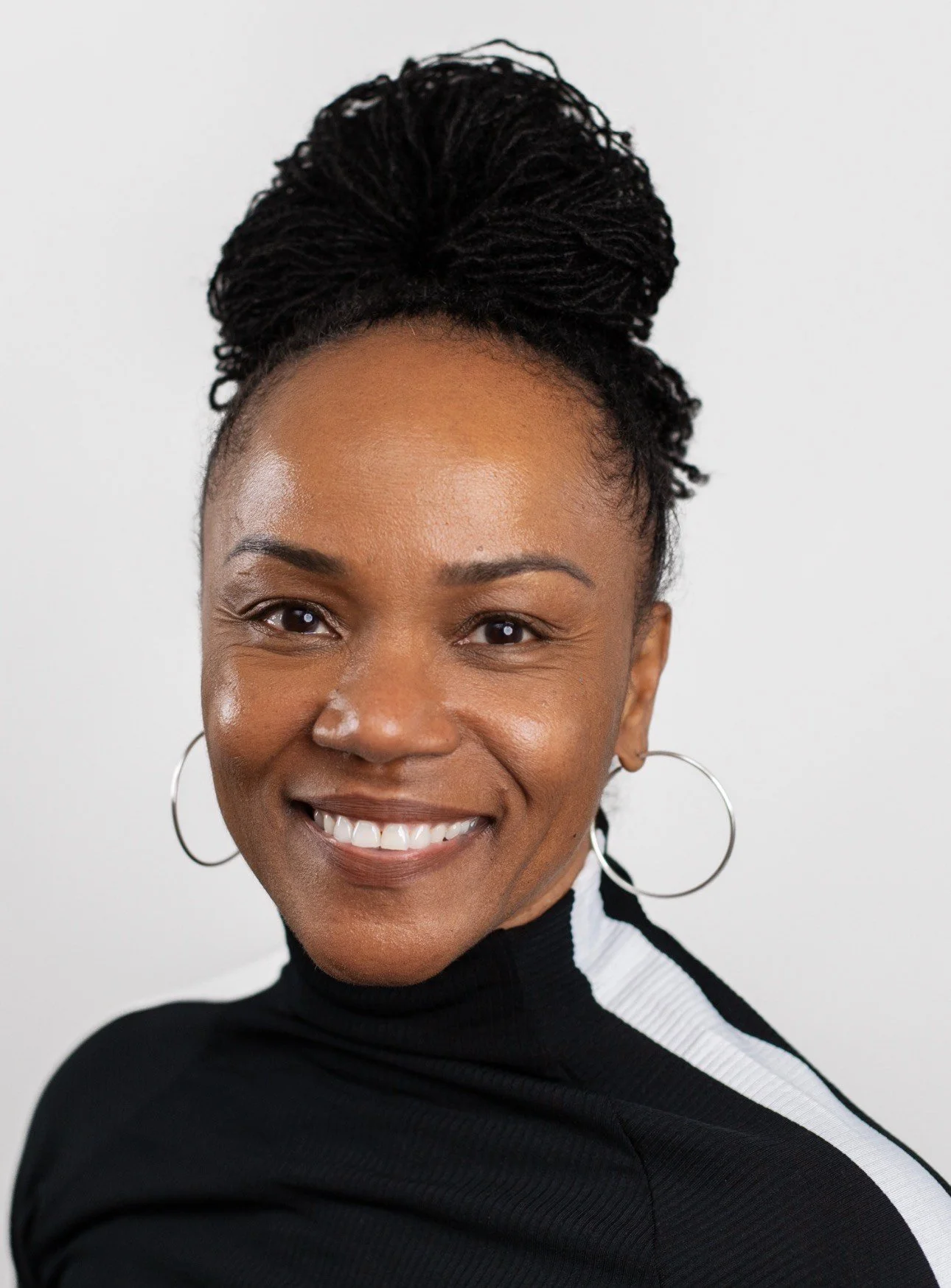
Tabatha Russell
Tabatha Russell is a Chicago-based Pilates Teacher and Educator with over 30 years in the pilates industry, nationally certified Pilates teacher (NPCP), and principal educator with Balanced Body, She holds a B.A. in Dance and an M.A. in Education.She is the Founder of tabPILATES & Bodyworks Center, established in 2009, a pilates studio focused on movement education and teacher-training hub rooted in authentic Pilates, mentorship, and community access.She also serves on the Board of Directors of the National Pilates Certification Program (NPCP), contributing to the advancement of professional standards and public safety in the Pilates industry.