
Teaching Group Reformer - insights after Four Decades in Pilates
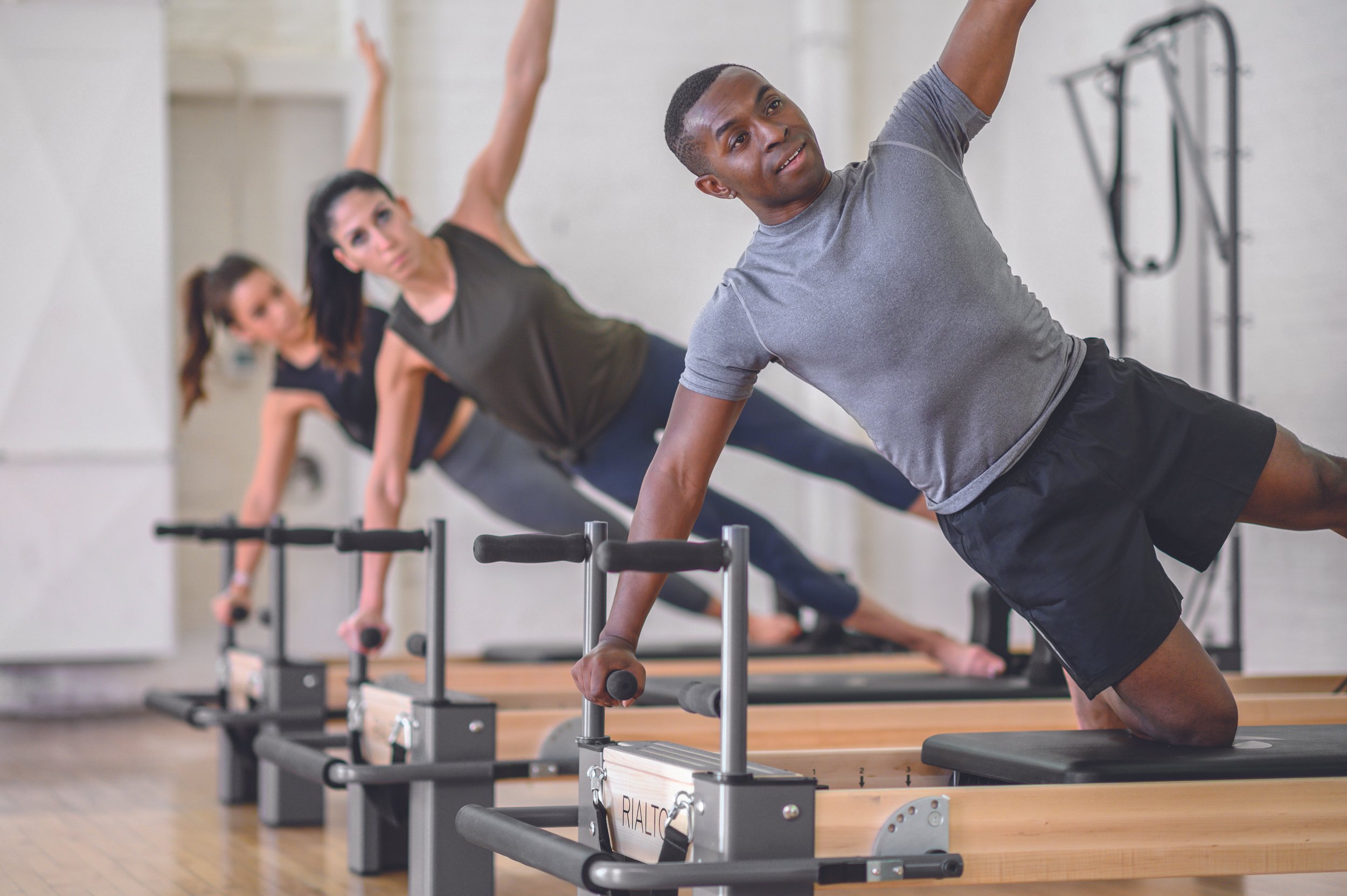
Photography @balancedbody
For four decades I taught Pilates in a variety of settings: a sports and dance medicine centre in a San Francisco hospital, private physical therapy clinics, university departments, athletic clubs and boutique studios. I customized Pilates sequences for artists with Cirque du Soleil and developed gait-specific programs for members of the military with prosthetic limbs. Each environment required specialized applications of Pilates and different teaching skills.
In 2024, I decided to experience how Pilates is now most accessible - where it is rapidly growing.
After 52 years in the San Francisco Bay Area, I returned to the Austin area where I grew up, joining four generations of my family. I opened a live/work studio for private sessions in a historic home built in 1898 in Georgetown, Texas. At the same time, I began teaching 15 group Reformer classes each week across two different locations.
My colleagues raised their eyebrows, concerned that the Texas heat had melted my springs.
This wasn't my first encounter with group Reformer. In 1999, I was part of a pioneering venture with Balanced Body and Polestar Pilates Education to introduce group Reformer classes into fitness centres throughout the United States. The business model was ten Balanced Body Allegro Reformers in a racquetball court converted into a spin studio. Finish the spin class, roll the bikes out, roll the Reformers in. I designed the curriculum and recorded the VHS tapes that accompanied the teacher training courses. This was the beginning of the group Reformer fitness phenomena that created Pilates profit centres for gyms. In 2000 as Director of Pilates & Beyond for Western Athletic Clubs I introduced Reformer classes to augment the schedule of mat classes.
The Pilates industry has evolved over the intervening twenty-six years. Teaching group Reformer classes now is an entirely different experience.
The Responsibility of Teaching Twelve People
The first week, I was elated by the challenge of conveying details of movement to the twelve people in each class. I had spent forty years learning and practising the science and art of teaching Pilates. It was so fulfilling to customise the optimal cue for each individual, delivering the cues while guiding the entire group.
I was also terrified by the responsibility of "doing no harm."
I have decades of experience taking detailed health histories prior to developing customised movement programmes that meet clients' short and long-term goals. At this same time Madeline Black and I were co-editing Pilates Applications for Health Conditions. Each person in every class of twelve people could have been a case report from a chapter in that book, deserving private instruction.
Everyone in the room except me considered it completely normal that twelve individuals with unique, complex health histories were all together in one class, intent on restoring movement after injury, surgery, trauma and metabolic dysfunction.
The adage, ‘Do one thing a day that scares you’ inspired me to reframe the situation as an opportunity. It was essential to quickly upgrade my teaching skills to deliver more individual precision within the context of the group.
I moved rapidly up and down the aisle between the equipment stations, speaking clearly and calmly, conveying compassionate authority with humour and developing instant rapport to cultivate trust. I advised spring changes, alignment corrections and exercise modifications. The challenge was to deliver twelve individualized sessions in the context of one class.
When necessary, I would simply say, "I am here to save you from yourself. This exercise is not in your best interest now. Let's do this one instead."
My goal for every class was to co-create a festival of physical harmony, emotional satisfaction, cognitive clarity and community.
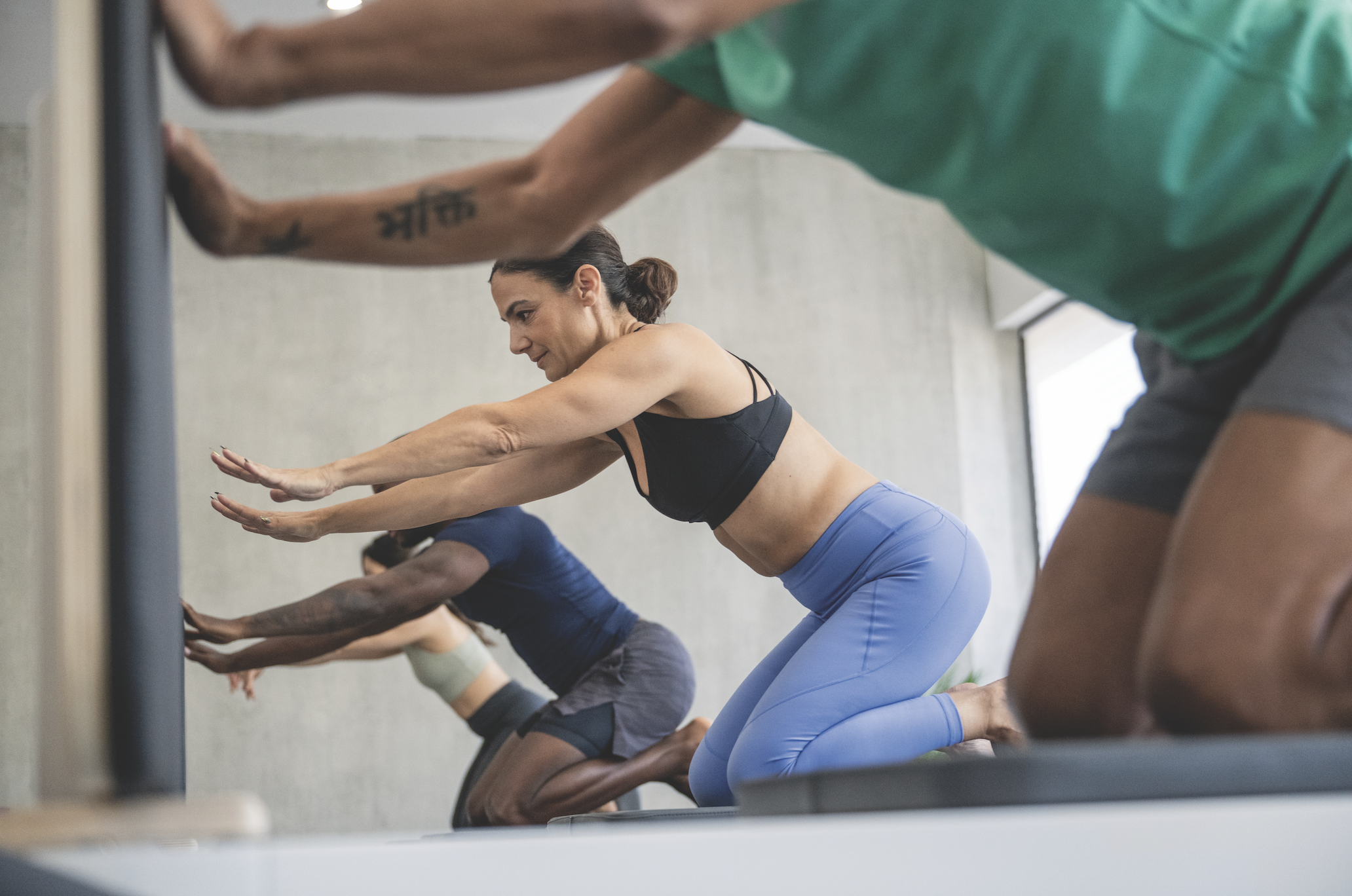
Finding My Groove
It took nearly a year to become sufficiently skilled that I could find my groove and enjoy this demanding teaching style.
I often left four-, five- or six-hour teaching blocks feeling quite depleted.
Now, however, I am energised by the interactions and appreciate the healthy movement culture we have developed together.
Discovering the Power of Community
“I did not expect to discover the healing potential and power of a community of twelve uniquely different people moving together.”
Individual sessions are built on the rapport between two people. In group Reformer classes, the resonance of a healing community is palpable. Each participant brings their own unique presence, capabilities and needs. As the teacher, I have the responsibility to facilitate an environment that supports a harmonious, enlightening experience for every participant within the context of the group.
My studies at the Academy of Intuition Medicine in Sausalito, California prepared me with tools I use in every Pilates class, and I have been delighted to rediscover their application in the group environment.
I adjust the lighting as much as the facility allows. Although the visual system thrives in sunlight, natural lighting is not always available in a Reformer studio.
Music selection and low volume matters. Depending on the class, I choose string instrumentals, Motown classics, vocal duets, or recent releases. Frequently I turn the music off entirely so the class will focus on a new concept or simply enjoy moving in silence.
I am very aware that my voice is an instrument. Vocal prosody, a smiling, animated face and carefully curated vocabulary all communicate safety, security, trust and compassion.
I also love to use dry humour and self-deprecating humour. Since I have developed a reputation over the decades as a significant Pilates professional it is refreshing to use humour to convey humility.
Perfection Has No Place
One might think that with all my professional experience, my confidence is quite secure.
But no.
I have perfectionist tendencies and still think I must prove that I am enough.
I have had to get over my seriousness and my desire to teach everything I know.
I have learned to recognise that some people simply want a safe space where they can feel themselves move. They do not want me to add demands on their life to recruit more muscle fibres and maximise motor output. Today, they simply want me to keep order and leave them alone.
Perfection has no place in Pilates teaching.
The more you know and the more awareness you cultivate, the more complexities you appreciate.
Every minute of every class presents infinite branches on the decision tree. I can instantly see what needs correcting in every person at every moment. However, I must choose my battles, prioritising safety, class pacing and compassionate communication.
I cannot allow one student with significant movement or processing limitations to hijack the experience for everyone else. Every individual deserves customized instruction within the context of a group class. I have learned that the group will respond with supportive patience when they recognize that their teacher models professionalism and maintains clear boundaries.
My advice is simple:
"Buckle up. This is the nature of the group teaching environment. Teaching Pilates is a Calling as well as a Profession. You chose it. Do your best and be grateful for the opportunity to do good in the world."
Creating a Sanctuary
Be fastidious about your own movement practice, your health and your continuing education. You are an instrument of communication who embodies movement clarity. Tune your instrument with the best nutrition, sleep, sunlight and movement practices.
Seven days a week I practise movement for two hours every morning before teaching clients and groups. When driving to class, I chant, hum and say affirmations aloud to prepare my voice, my intentions and my field of resonance.
The world is full of unrest in political, environmental, economic and healthcare spheres. Everyone needs a sanctuary where they can listen to themselves move, a space where they can trust that the environment is orderly and compassionate, with their best interests at heart.
A place that supports vitality, rejuvenation, confidence, optimism, hope and the belief that beneficial change is possible.
Teachers of group Reformer classes can provide that sanctuary.
I am thrilled that Pilates is attracting more participants than ever before. This is an opportunity to upgrade education in support of movement in the Pilates environment. Individuals of every age can benefit from movement curated to support physical vitality, neurological health, emotional wellbeing and cognitive clarity.
Five practices to improve your Pilates group Reformer class teaching:
1. Handwrite each class plan in your Pilates journal. Writing by hand with pen or pencil on paper encourages mental rehearsal of the moves and words. This practice stimulates your proprioceptive sense, enhancing visualization of movement sequencing. While writing you may listen to the music you plan for the class. Listening to a podcast or a conversation will reduce concentration and decrease benefits of this practice.
2. Practice teach your class on Zoom to friends or solo to the camera. Do not use any notes. Perform all the movements in real time while speaking your continuous soundtrack of cues. You may watch the recording to critique your movement and verbal accuracy. This practice will enhance your familiarity with the material, connect movement with descriptive language, and raise your confidence. Your teaching will become more accurate and fluid, creating bandwidth for customizing cues for each student.
3. When you travel to the studio, practice grounding visualizations while warming up your voice. For example, softly chant ascending tones that match the chakras while visualizing the colors and locations of each chakras
4. Just prior to welcoming the participants and starting the class, quietly practice five Physiological Sighs. Discovered by physiologists in the 1930’s, this practice produces greater improvement in mood and reduction in respiratory rate compared with mindfulness meditation. Inhale deeply through the nose and, when your lungs are full, sniff in a little more air. This double inhale inflates the alveoli. Then sigh, exhaling slowly through the mouth to expel the carbon dioxide that is causing stress. Your students will perceive your field and match your state, improving their condition for focused learning and practice.
5. Maintain a smooth, calm movement flow throughout the class. Remain in motion, circulating evenly around the equipment stations, observing each individual during every exercise. Provide encouraging comments in a warm, rhythmic voice, making individual corrections as appropriate. To center yourself when speaking cues and walking through the studio, encircle your left thumb in your right palm, wrapping your fingers around your left thumb with your right thumb over the top of your left thumb. Feel the pulse in your left thumb. Repeat for each digit of your left hand. Repeat for each digit of your right hand.
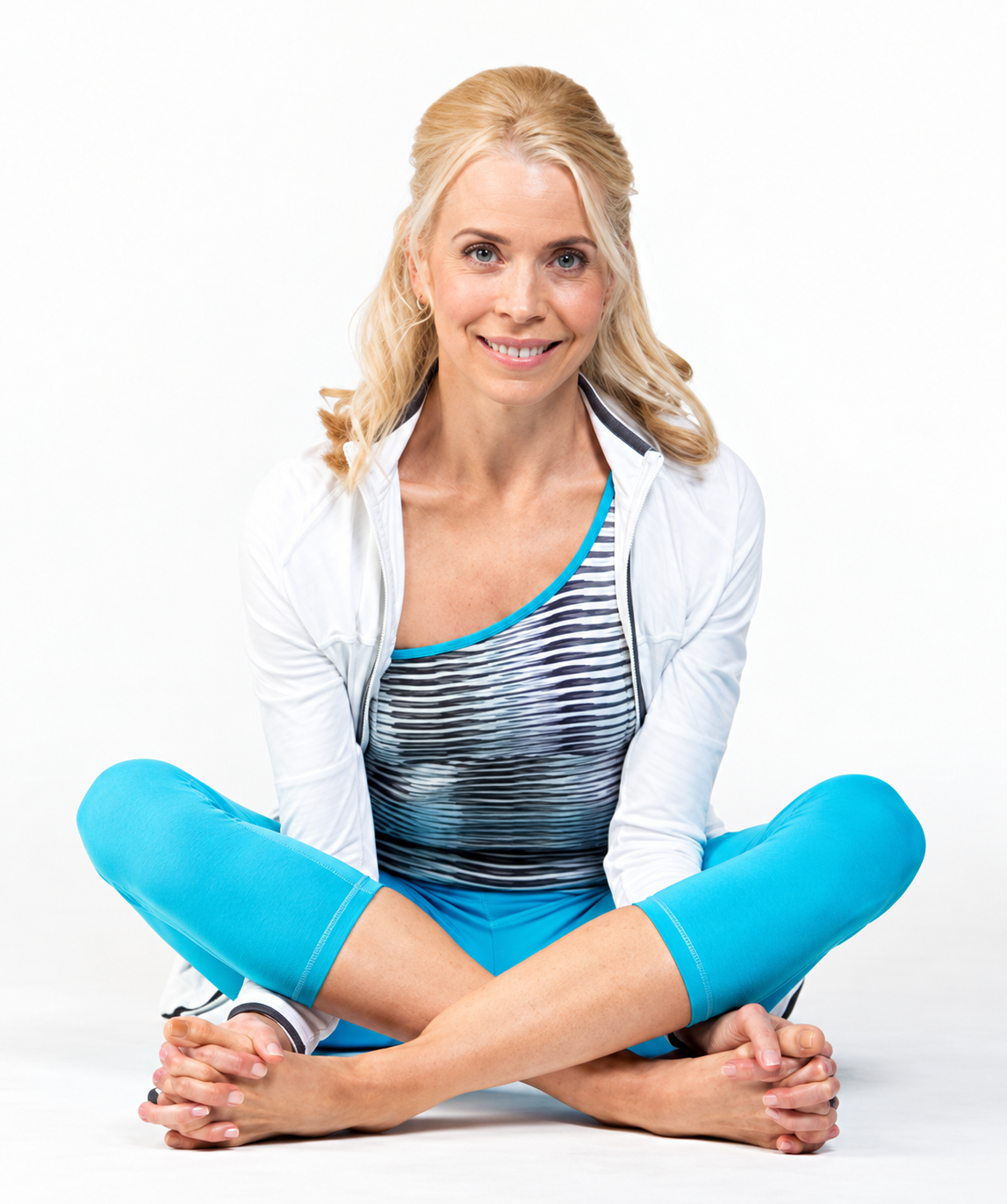
Elizabeth Larkam is the author of Fascia in Motion-fascia focused movement for Pilates and co-editor of Pilates Applications for Health Conditions.
Contact ELARKAM Movement Systems on elizabethlarkam@gmail.com.
Instagram: @elizabethlarkam Facebook: Elizabeth Larkam