
Beyond the Boom
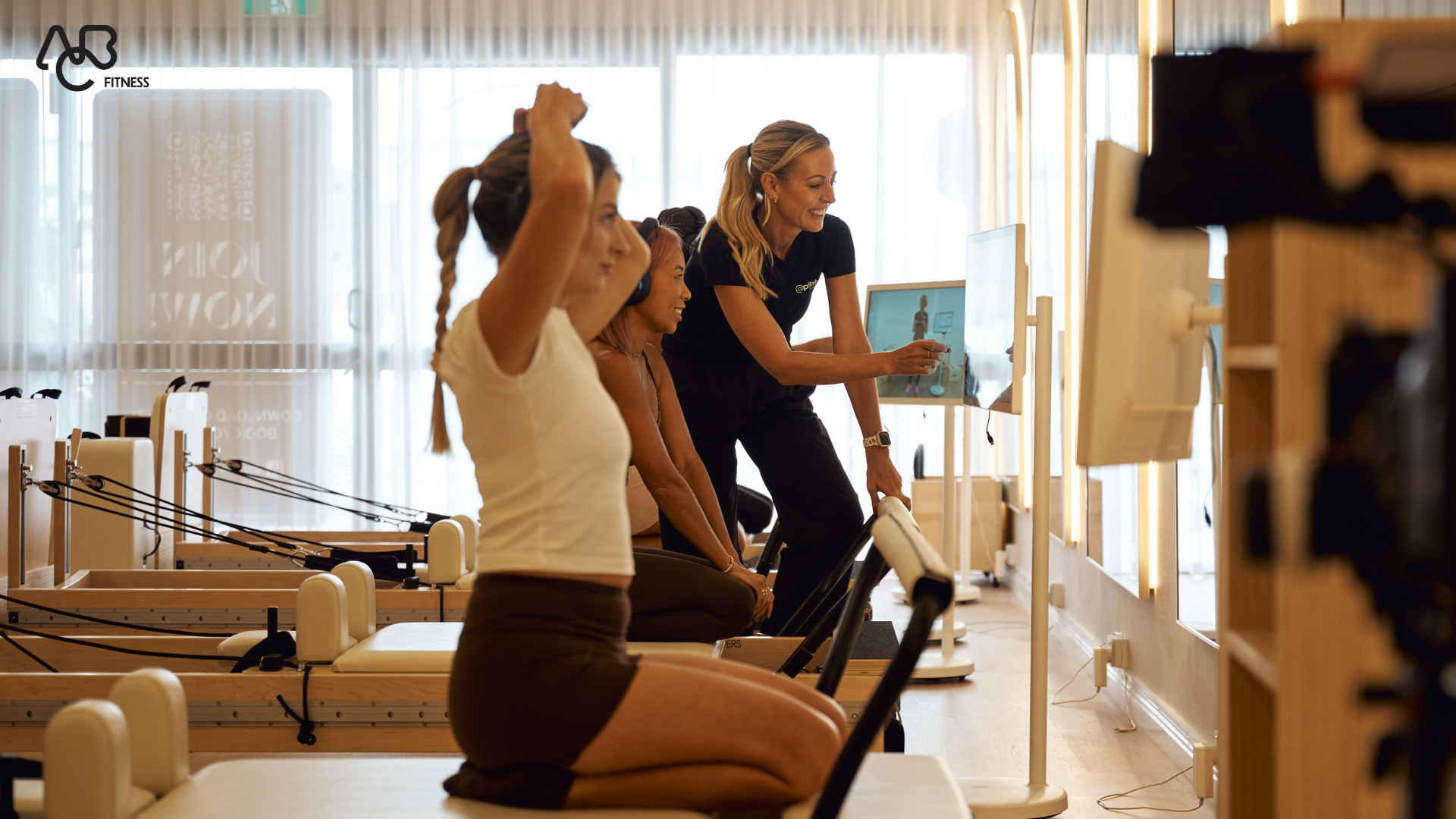
Pilates is no longer a niche modality; it is one of the most powerful forces in global boutique fitness.
Since 2019, participation in Pilates has grown from 9.2 million to 12.9 million people, a nearly 40 percent increase, according to Women’s Health. Women now make up 70% of members at Pilates studios, and the category continues to mature.
Yet the most interesting shift isn’t just growth - it’s behaviour.
According to ABC Fitness data (November 2025), while Pilates saw a 6% drop in new joins year-over-year, it experienced a 4.3% increase in check-ins and a 9% decrease in cancellations.
The message for studio owners?
Commitment is deepening.
Those who are doing Pilates are doing it consistently and staying longer.
Behind that loyalty sits a powerful driver: technology.
A Unique Inflection Point
“Pilates hit a unique inflection point during the pandemic, when timing, accessibility, and consumer mindset all aligned,” says Melissa Knowles, VP, Global Key Accounts at ABC Fitness.
“It adapts seamlessly to both virtual and in-person formats, which helped studios stay connected while other modalities struggled. At the same time, the in-studio experience offers something people were craving: community, personalization, and human connection.”
The blend of boutique experience with digital capability has separated Pilates from other fitness categories.
For operators, however, this growth also brings complexity. Rising demand, instructor shortages, and increasing consumer expectations mean that traditional systems are no longer enough.
“Technology is no longer a support tool. It is a growth engine.”
A Case Study in Scaling Smart: @pilates 24/7
Few operators understand this better than Tara Jarrett, Co-Founder and CEO of @pilates 24/7 in Australia.
“I have been part of the fitness industry since 1992,” Tara explains. “This experience gave me a unique perspective on the evolution of the Pilates industry, particularly during the significant shift in member behaviour following the events of 2020.”
Rather than following traditional studio models, Tara chose to study behaviour.
“I spoke with hundreds of people. It became clear there was a growing disconnect between what the industry offered and what consumers wanted.”
What emerged was a tech-first, member-led model designed for accessibility, personalisation and scale.
Since launching its first franchise studio in June 2023, @pilates has sold over 50 studios across Australia and New Zealand and built a community of more than 20,000 members.
Central to that growth? Data and systems.
Why ABC Fitness Became the Backbone
“Our partnership with ABC Fitness has played a critical role in supporting efficiency, retention, loyalty, and scalable growth,” Tara says.
@pilates began working with ABC Fitness in 2021 during development of its class delivery platform and studio systems. ABC Glofox, ABC Fitness’ boutique management platform, now sits at the centre of operations.
“It has become central to our member communications, operational processes, membership management, billing, and reporting,” she explains. “This has significantly reduced administrative burden, allowing both HQ and franchisees to focus more time and energy on member experience rather than back-end administration.”
For studio owners, this distinction matters. Time spent managing systems is time taken away from coaching, culture and community.
More importantly, the data visibility changes decision-making entirely.
“From a retention and loyalty perspective,
“the platform enables us to identify at-risk members early, automate targeted communications, and proactively re-engage members before disengagement occurs.”
Retention is no longer reactive, it’s predictive.
Data as a Strategic Advantage
At @pilates, data has evolved from reporting to strategy.
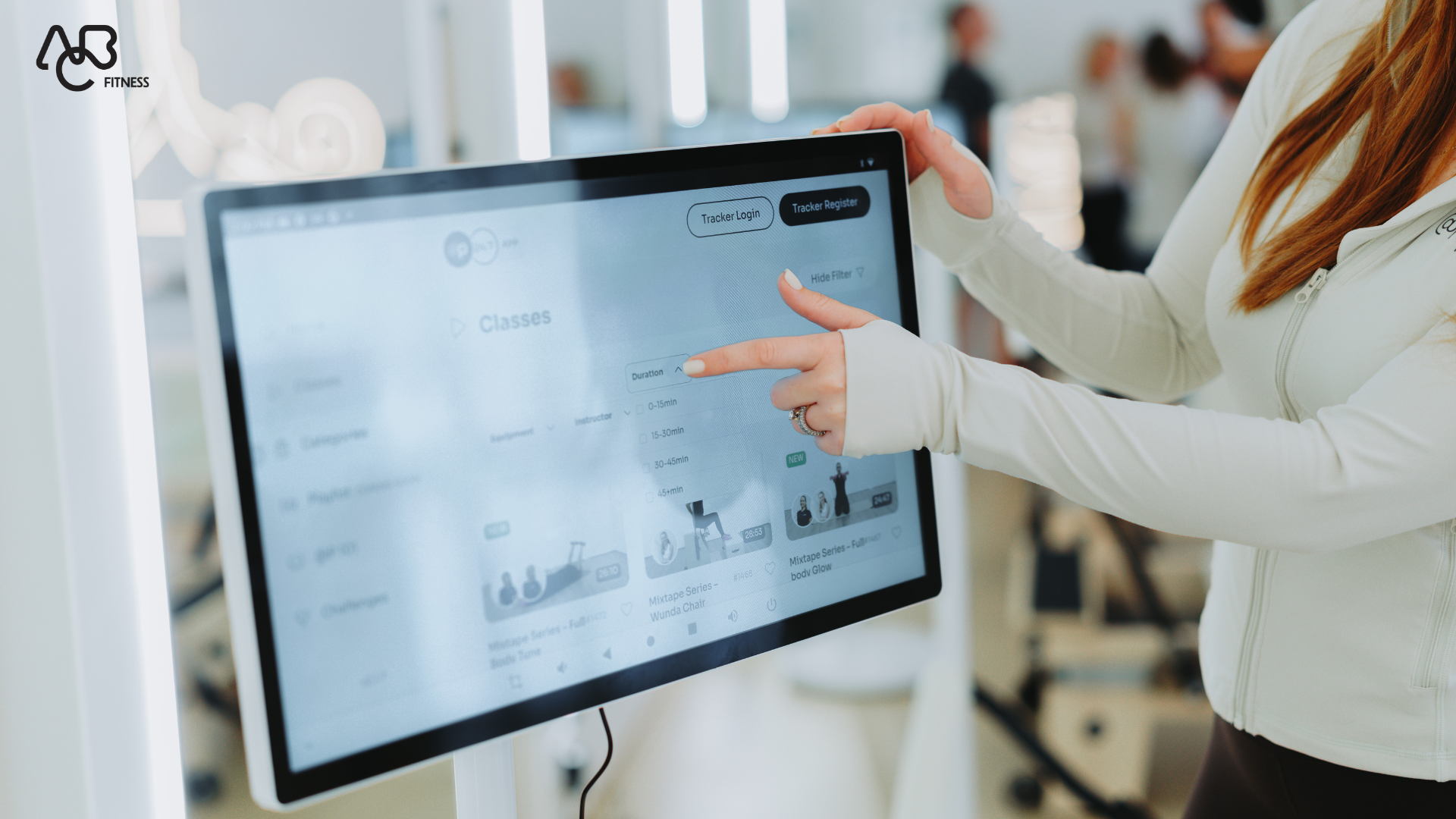
“We believe data and information are power,” Tara says. “We can see exactly how members engage, what classes they participate in, preferred durations, instructor styles, focus areas, and training frequency.”
This insight informs programming, scheduling, staffing and expansion decisions.
For studio owners navigating tighter margins and increasing competition, these real-time metrics like lifetime value, utilisation rates and churn patterns provide clarity once reserved for enterprise brands.
As Melissa Knowles explains, “Studios can now optimize schedules, improve class utilization, and engage members more meaningfully without increasing operational strain. Consumers expect seamless digital experiences as part of their fitness journey, which makes technology a core growth lever rather than a support function.”
ABC Fitness supports over 30,000 customers globally, including major Pilates brands and fast-growing independents. Pilates customers have grown year-over-year, both through new studios and expansion from existing operators.
The takeaway is clear: systems drive scale.
Preparing for the Next Phase of Growth
With the global fitness market projected to exceed $520 billion by 2035, growing by 14.3% year after year, Pilates operators are stepping into an increasingly competitive landscape.
“The next phase of growth will favor operators who focus on long-term retention and sustainable scale, not just expansion,” says Knowles.
For studio owners reading this, the question is no longer whether technology matters. It’s whether your current systems are strong enough to support where the industry is going.
Download the FREE report now from ABC Fitness