
Finding Your Why in Pilates
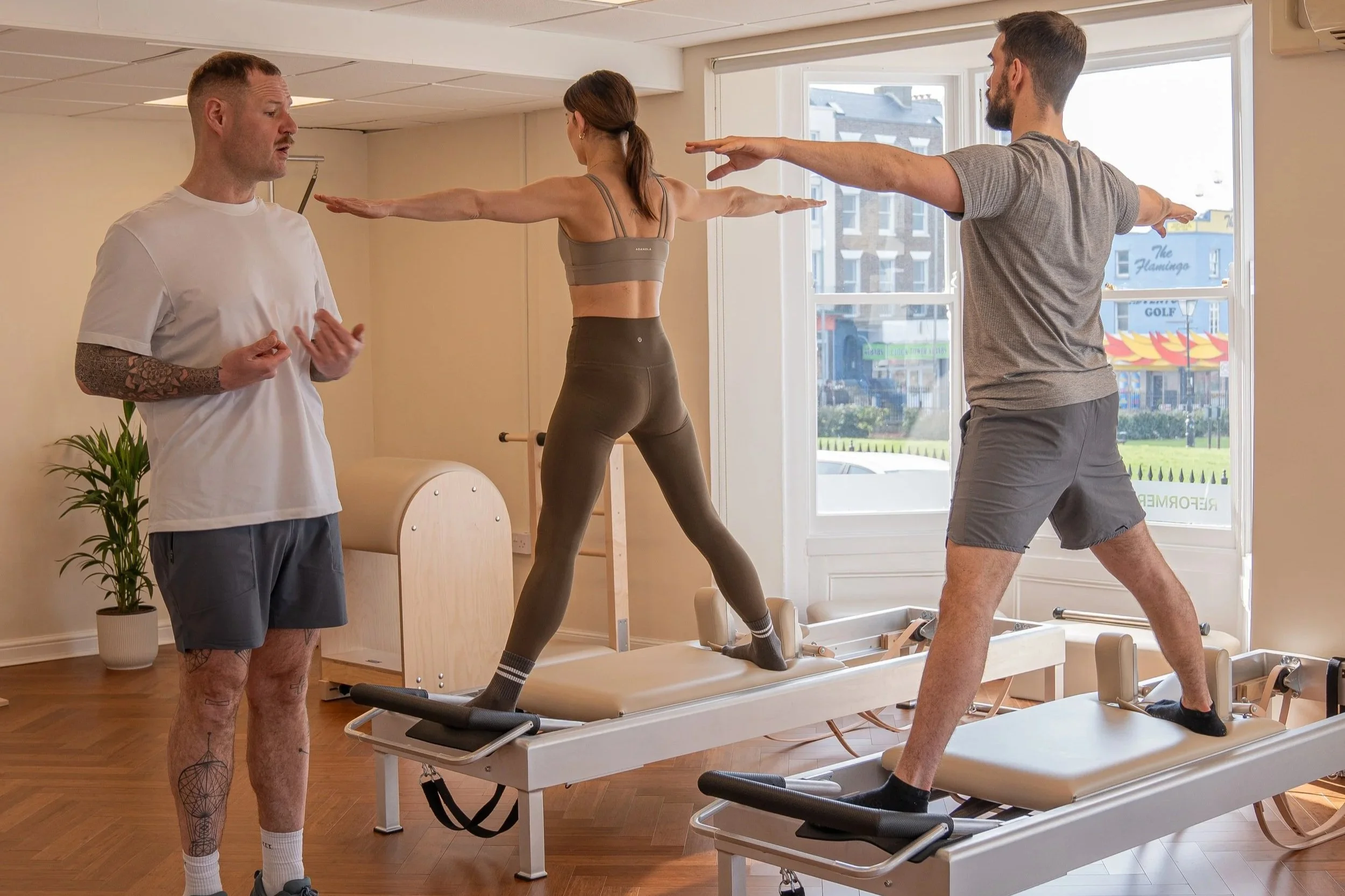
Supporting students and new teachers in choosing education and navigating their career path
The Pilates industry often starts with what.
Most conversations around training begin with questions like
Which course should I take?
What style should I learn?
Do I need reformer or mat first?
They’re all valid questions but they’re not really the place to start.
When I speak to prospective students, I tend to begin somewhere else
Why do you want to teach Pilates?
It’s a simple question, but it changes the conversation completely.
I ask it early on when people enquire about training with me, whether in London or Margate, because it usually tells me far more than anything about course content ever could.
Everyone comes to Pilates differently. Some through injury or recovery, others from a background in movement. Some because the method changed how they feel in their body and they want to pass that on.
That reason, your reason, is the starting point.
Without it, it’s very easy to get pulled into the noise of the industry. There are more trainings, styles and more opinions than ever before. On the surface, it looks like choice but for many new teachers, they feel more confused.
When you’re not clear on why you’re doing the work, you tend to look outward for answers. You choose based on what’s popular, what’s recommended, or what seems like the next logical step. Often this leads to doing more and more, without really feeling like you’re moving forward.
“When your why is clearer, the next step how you choose to educate yourself starts to make more sense.”
Your education is what supports that reason. It’s where you begin to build your understanding, develop your eye and ability to actually teach.
This is where I think the difference between training and education becomes important.
A training will give you the what. You’ll learn exercises, sequences and what you need to pass an assessment. That’s your entry point into teaching.
“Training teaches the repertoire. Education teaches you how to think.”
How you see the body.
How you interpret what’s in front of you.
How you decide what to do, and why you’re doing it.
This knowledge doesn’t come from memorising exercises, booksor self study. It comes from time, mentorship and being in the right learning environment.
What I love about the classical system it's so clear. How the work is structured, progressive and there's a why behind all the exercises and the links between the apparatus, looking at how to integrate the whole body. The exercises aren’t random they build on each other. But understanding that isn’t just about knowing the order, understanding what each part is doing and how it contributes to the whole.
When students understand why they’re entering Pilates, they tend to choose education differently. They look for depth and understanding that resonates with them rather than just variety or the cost or quickness of the course. They’re less concerned with doing everything, and more interested in doing the right things for where they are.
If you’re at the beginning of that journey, start by looking for environments that offer more than certification. Look for mentorship, observation opportunities and teachers who welcome questions. The right learning environment should help you understand not just what to teach, but how to see what’s in front of you.
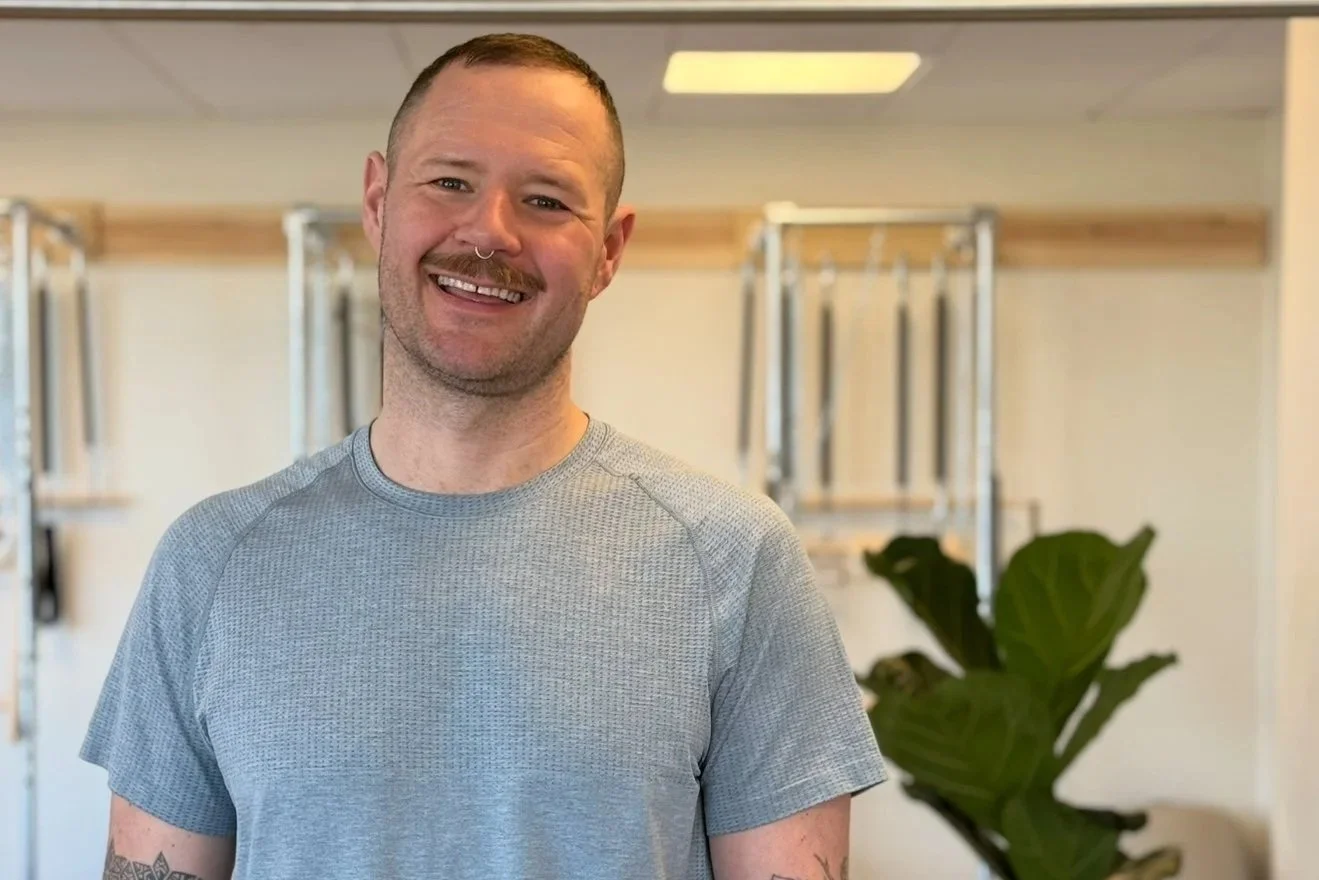
James Shaw is a classical Pilates teacher and educator based between Margate and Central London. He specialises in teacher training, education and mentoring, with a particular focus on supporting new and developing teachers as they build confidence, develop their own teaching voice and find direction within their work.
Through his Classical Pilates Teacher Training Academy, James offers a more considered and supported route into the industry. His approach moves beyond simply learning exercises, helping students become critical thinkers and understand how to use the classical system to support and develop their clients. Working closely with his students in the studio, he emphasises progression, observation and a deeper understanding of the method over time.
Alongside his training programmes, James continues to work with clients in one to one and small group settings, maintaining a hands on connection to the practice of teaching. His work is sound in the classical Pilates system, with a strong focus on structure, the whys and hows the method can be applied in a practical, meaningful way.
James also presents for Balanced Body at Pilates On Tour London and delivers workshops across the UK and internationally. At the centre of his work is a commitment to developing thoughtful, well supported teachers, and raising the standard of education through mentorship, depth of study and long-term development.