
Today’s Critical Eye in Pilates
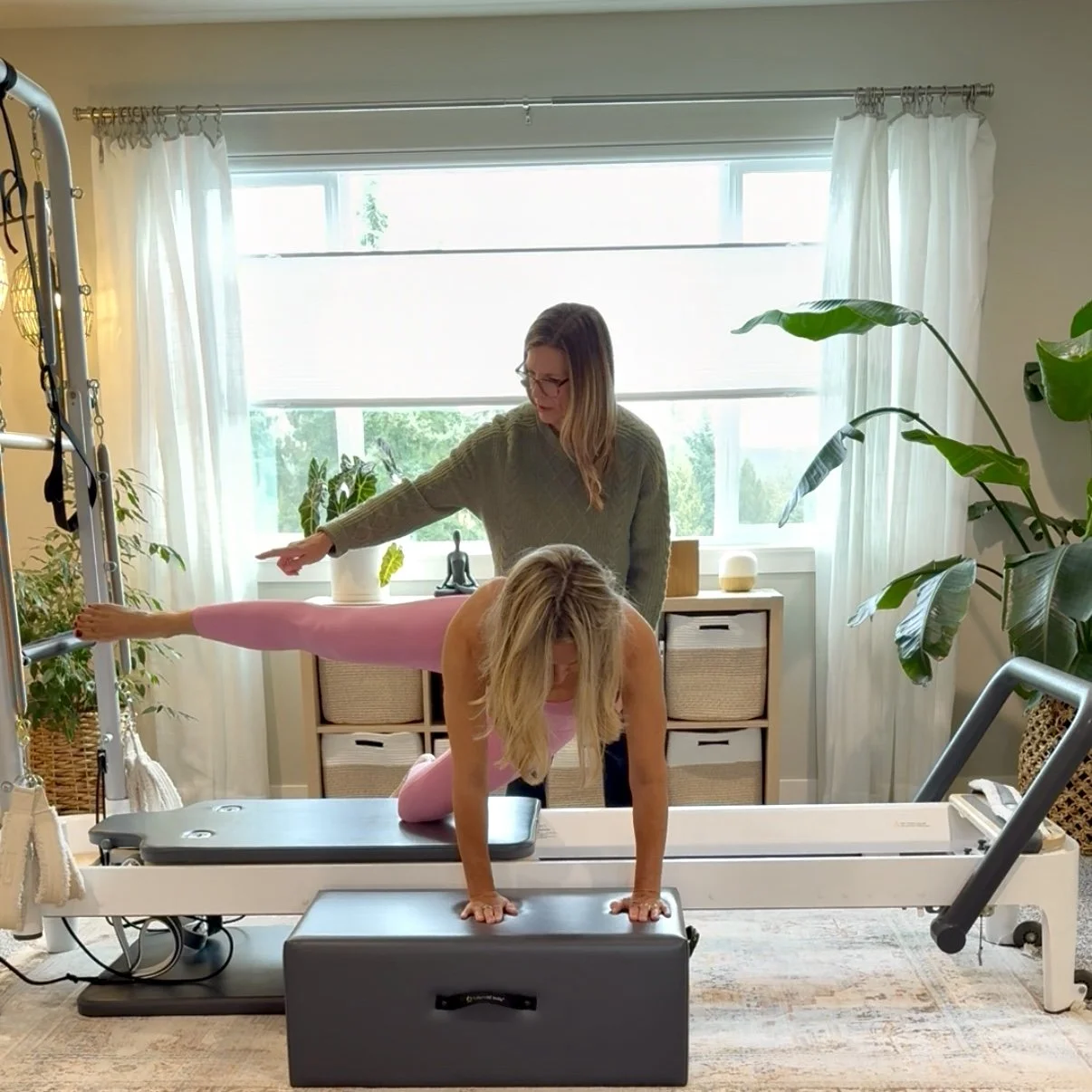
Pilates is everywhere online, with an algorithm determining what we see. It doesn’t know if the moves are safe or how well they are done. It just knows it performed well based on the hooks, saves, and shares. The more sensationalized the better.
A newer instructor then sees a video, tries it, and teaches it. It’s that quick and easy. When this happens, the depth of the work is lost. Recreating what we see is not the same as understanding what’s happening in one’s body. The original intent of Pilates was to bring internal awareness.
Without that awareness Pilates loses its most valuable skill; the critical eye.
Social media didn’t have any influence on my learning experience. There were no fast track certifications, or online courses. The programs available were an investment and needed an average of 450-500 hours of practice to certify - time to help develop a critical eye.
Today’s flood of new studios brings a growing demand for group classes and a need for fast tracked certifications to meet staffing needs. For the newer instructor, the opportunities to develop the critical eye are fewer, though thankfully not unattainable.
What is the critical eye?
We talk a lot about the critical eye in the Pilates community. Not being critical in the sense of being nitpicky or disapproving, and more than just observing and correcting a series of exercises or movement patterns – as the internet describes it.
“It integrates an intuitive lens. The ability to read the person in front of us. Their needs. Their energy. Their readiness.”
This intuitiveness is what keeps people coming back to Pilates and separates it from other fitness methods. Preserving it keeps Pilates from being just another workout, while honoring the ultimate goal of Joseph Pilates – to help people find complete coordination of mind, body, and spirit.
The first time I understood this need was with a client who had come in for their session after experiencing profound grief. They didn’t want to sit with it, but they knew they needed to move.
It was my job to connect them to their body, while still offering them some solace through movement. Not just correct a series of movement patterns. I had to read the client, discover ways to activate their parasympathetic nervous system, so they could feel safe. Then I could safely challenge them, while bringing some relief from their pain. Even if it were only for an hour.
In The Caged Lion, John Howard Steel goes into great detail about how focused Joseph Pilates was when he worked with a body. Studying every breath, every move. Not watching to see if the exercises were done correctly, but studying every nuance of the body moving in front of him. He writes about Joe’s extraordinary ability to visualize the mechanics of human movement.
Joe developed this skill entirely on his own. Not by textbook, but through hands-on, lived experience, enabling him to proudly claim to know how the human body works. Steel also wrote that he suspected Joe could sense tension in his body.
The Strong Mover And The Critical Eye
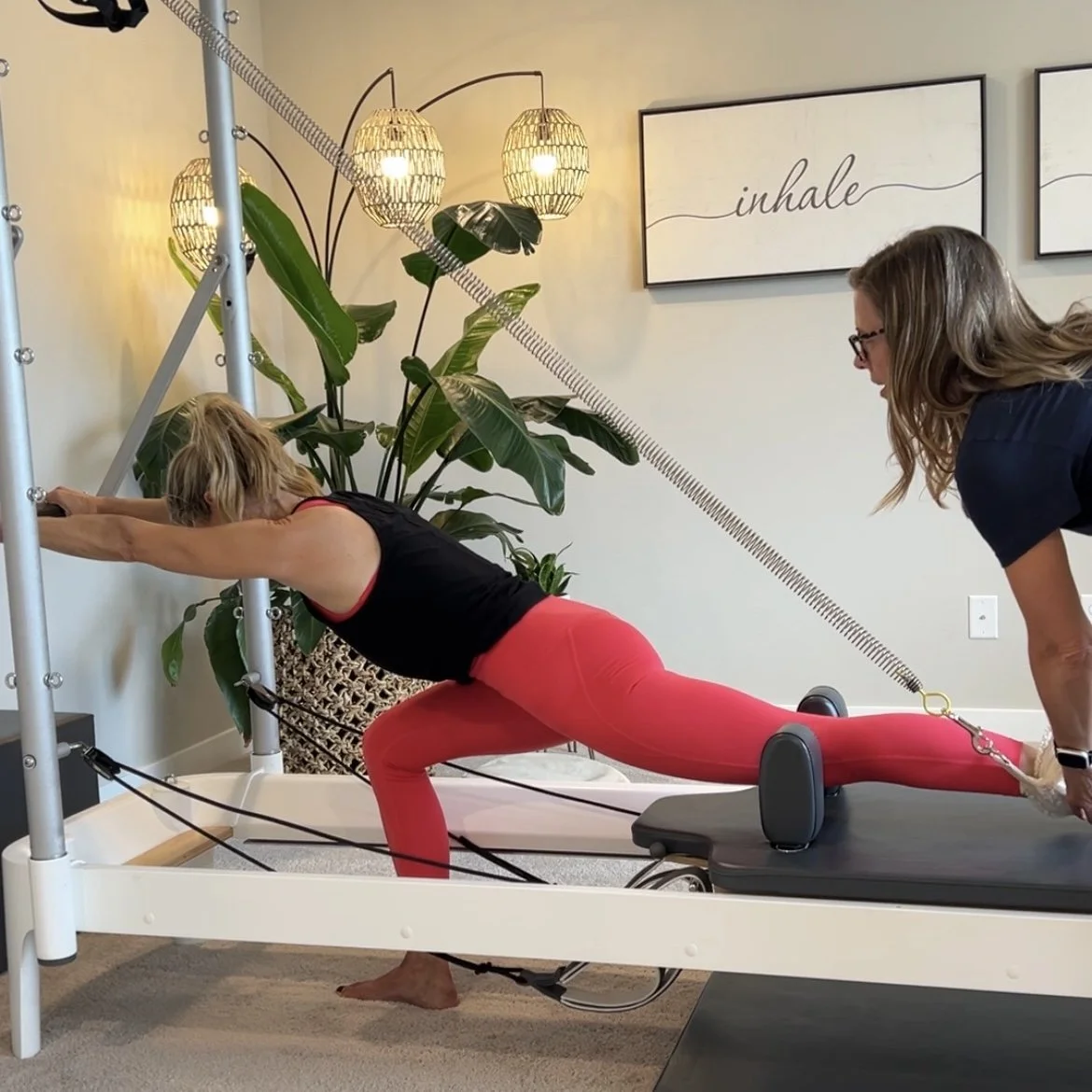
New Pilates clients are relatively easy to train. We can spot structural and alignment issues almost immediately. It’s the stronger movers entering our studios or showing up in our feeds that are the truest test for instructors.
Their movements may look fine, but they’re often performing from a baseline of tension that might be confused as control. They might muscle through movements using compensation patterns, or be able to perform advanced moves, yet struggle to do basic ones.
Instructors with a critical eye may notice a clenched jaw, elevated shoulders, over-engaged core, hands or feet gripped on the bar, or rigidity in the movements.
These movers may lack awareness and control, having no reference point to move from. They may use momentum to execute movements. They may use larger muscles to do the smaller muscles work. They may flare their ribs, overarch their back, or lose core engagement.
Instructors with a critical eye will know when to deepen the work. Not by choosing harder moves, but by building awareness – slowing things down to reduce momentum, holding positions to create stability, adding props to bring connections, changing spring tensions to strengthen stabilizing muscles, connecting advanced moves back to foundational moves.
Without the critical eye to see these needs, a strong mover will continue to reinforce compensation patterns, missing the depth and awareness of the work that Joseph Pilates held dear.
Building The Critical Eye
Bridging the gap from simply cueing and correcting exercises – to truly seeing the body in front of us can be done regardless of our education. Joseph Pilates taught us this is possible.
Stay Focused
Be consistent in your own practice to deepen the work. Cueing choreography is one thing, but having the work live within you will be your guide when it doesn’t land for someone else.
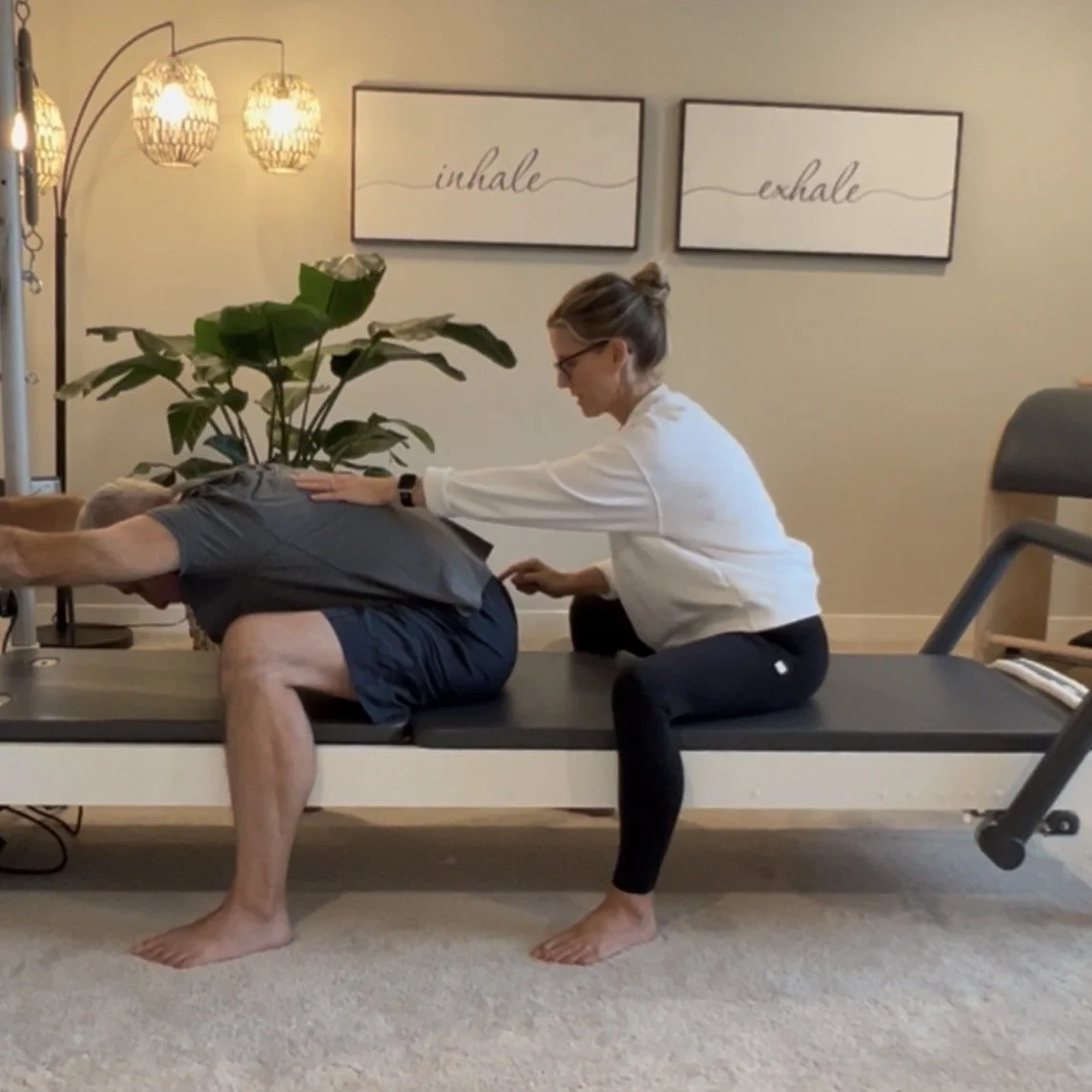
Allow yourself to sit and observe your clients as they move. It’s ok to let a client know there may be times you don’t say much, because you’re taking in the way their body responds to the moves. Less will truly be more.
Cultivate Curiosity
Not every instructor comes from a fitness background. That’s ok because most instructors tend to be problem solvers and curious by nature.
Use that curiosity. Watch for things that look off when training clients. Ask questions:
Why does this person’s foot supinate during footwork?
Why does this person not feel the muscle focus?
Why does this person struggle with lateral work on one side?
Why is this person quieter today than they were last week?
Discuss your questions with clients. Not only will you learn more about the human body, but you will also deepen your understanding of your clients.
Explore Lifelong Education
No matter what your background or educational experience was, your initial certification should be your baseline, not your finish line.
Take and teach as many private sessions as possible. They are the foundation of the work. Find a mentor who encourages and supports your teaching journey. Keep enrolling in workshops and courses. Being trained to work comprehensively with all types of bodies will not only benefit clients, but you as well.
Every good instructor is ultimately the culmination of every instructor, every body, and every book they have encountered.
The Critical Eye Today
Our world is now visually driven, fast moving, and constantly evolving. With influencers, and a much larger population of strong movers, using a critical eye through a lens of curiosity and awareness is more important today than ever before.
Steel talks about how it was Joe’s dream to see everyone doing Pilates. I’d like to think Joe would bring the same lifelong educational approach if he were teaching today, immersed in every nuance, using the same critical eye to each body he saw – in person or on screen.
————
Bonnie Zeitner is a BASI Pilates-certified instructor and mentor with more than 20 years of experience in the fitness industry. She supports Pilates instructors at every stage of their career, from building strong teaching foundations to refining their practice, developing effective programming and creating a sustainable, long-term career.