
Opening a Pilates Studio on a Budget—Here’s How I Did It
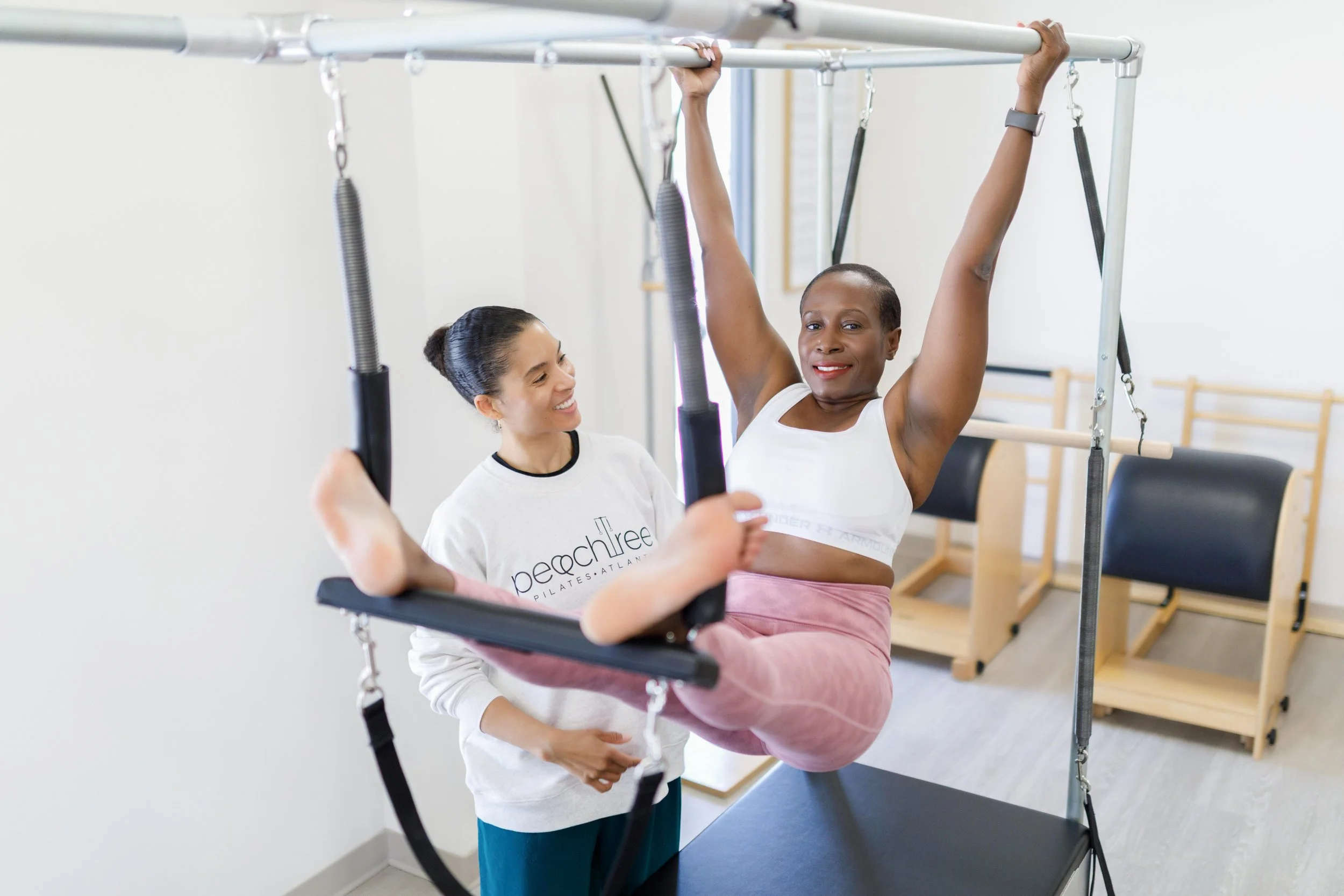
For years, I believed opening a Pilates studio was something only people with significant capital could do. Every story I heard involved expensive buildouts, brand new equipment, and tens of thousands of dollars upfront. I had pretty much decided - it wasn’t for me.
And yet…here I am.
A studio owner.
Not because I had investors, a large amount of cash or a perfectly mapped-out plan, but because I built it slowly, piece by piece, often without even realizing that’s what I was doing.
It Started Without a Plan
I didn’t set out to open a studio. I was teaching at other studios, building my experience, and at the same time, I started creating content. That content began to generate some income, and instead of spending it, I started reinvesting it into equipment.
At first, it was just so I could practice more at home.
Then it became something else.
The Facebook Marketplace Era
Buying Pilates equipment brand new can be expensive and takes forever to arrive. If I wanted to buy Pilates equipment without going into debt, I had to get resourceful.
I started scouring Marketplace obsessively for deals.
My favorite find to this day was a Gratz Cadillac listed for $2,500. The listing only had a photo of the push-through bar, which I’m convinced is why no one else took it seriously. I messaged the seller immediately and drove three hours to Tennessee the next day.
When I got there, not only was the Cadillac exactly what I hoped for, but he also had a ladder barrel…which he sold to me for $250.
Still my best deal to date.
Over time, I kept finding pieces - sometimes through Pilates resale groups, but honestly, the best deals were usually in more general marketplaces where people didn’t quite know what they had.
I also took advantage of every free shipping offer I could find from manufacturers. That alone saved me thousands over the years.
My Living Room Became a Studio (Sort Of)
Eventually, I had one of each major piece of equipment in my living room. I started working with clients at home, building relationships, refining my teaching, and quietly growing something that looked a lot like a business.
And still - I didn’t think I wanted a studio.
I had heard too many stories of studio owners taking on huge expenses, only to struggle or close with debt. The idea of commercial rent and overhead just didn’t appeal to me.
The Moment My Perspective Shifted
Everything started to change when I began working with another teacher who had a small commercial space with just one of each apparatus.
It was simple. It was functional. And it worked.
That experience completely shifted my mindset. I realized you don’t need a massive, fully built-out studio to offer excellent Pilates. You just need the right equipment, a clear system, and good teaching.
Over the years, I continued buying equipment when I found good deals - storing it in my basement with the mindset of, “If I ever open a studio, I’ll use it. If not, I can sell it.”
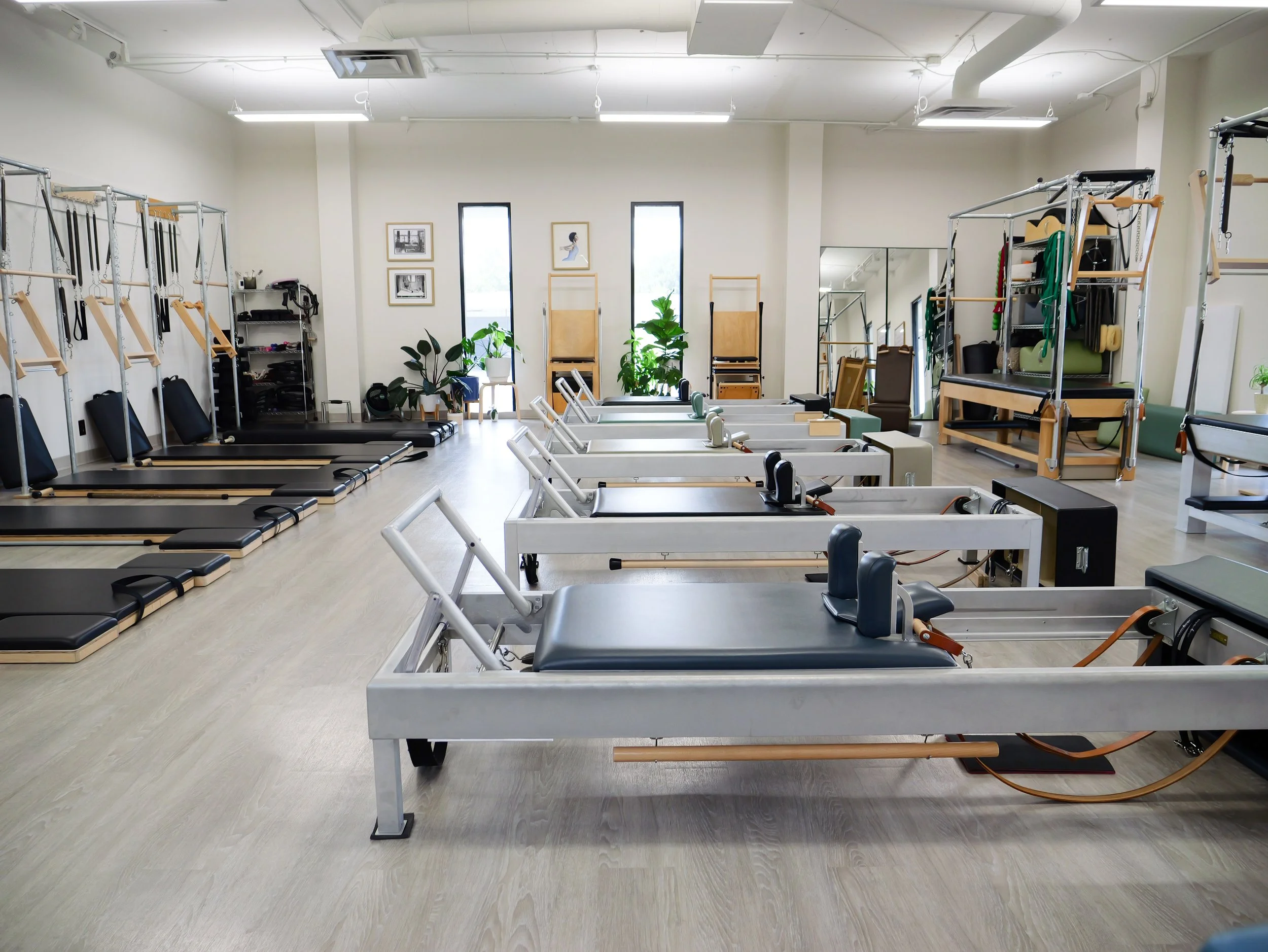
Testing the Waters Before Committing
Before signing any lease, I took a low-risk step: I subleased space from a physical therapist friend.
I moved some of my equipment into that space and started building out the backend of what would eventually become my studio:
pricing structures
booking systems
class formats
scheduling
At the same time, I had started a mat teacher training program, and it was becoming clear that my home setup wasn’t going to be enough.
Without realizing it, I was already operating like a studio owner - I just hadn’t committed to the space yet.
Understanding the Numbers Changed Everything
One of the biggest turning points was sitting down and actually understanding the numbers.
With the help of tools like Canva and ChatGPT, I put together a simple business plan. Nothing overly complicated - but enough to give me clarity.
I worked out:
what my base monthly costs would be
how many clients I’d need to break even
what it would take to pay myself
Once I understood that, the idea of opening a studio stopped feeling overwhelming - and started feeling strategic.
Finding a Space (and a Surprise I Didn’t Expect)
I looked at what felt like hundreds of spaces.
I got rejected.I couldn’t afford some.Others required too much buildout.
Most of what I had been looking at were storefront properties - until I started considering office buildings.
When I found my current space, I initially told the landlord I couldn’t take it. There were too many walls, and the buildout costs would be too high.
To my surprise, he told me he would cover it.
Walls, paint, flooring - everything I needed to get started.
That was a turning point I didn’t even know was possible. I had assumed buildout costs were just part of the deal, but in certain buildings, landlords are willing to invest in getting the right tenant in place.
A 5+ -Year Build - Not an Overnight Leap
From the moment I started buying equipment to signing my lease was about five years.
During that entire time, I was:
teaching
creating content
building my personal brand
So when I finally opened my doors, I wasn’t starting from scratch.
People already knew me.They knew my teaching.They trusted my approach.
And that made all the difference.
Your Brand Is Your Best Marketing Strategy
Social media is one of the most accessible tools we have as Pilates teachers, and for me, it became the foundation of my business.
By the time my studio opened, there was already interest - people weren’t discovering me for the first time, they were waiting for a space to work with me.
That meant I didn’t have to rely heavily on paid marketing in the beginning, which is a huge advantage when you’re operating on a budget.
Opening a Studio on a Budget: What I’d Do Again
If you’re thinking about opening a Pilates studio but feel limited by budget, here’s what I’ve learned:
Start small Focus on private sessions and small groups. It keeps costs and admin manageable while you grow.
Buy used equipment Facebook Marketplace can be better than Pilates-specific resale groups. As your business grows, you can upgrade. If the equipment works well your clients honestly won't care.
Take advantage of shipping deals Free shipping adds up - don’t overlook it.
Build systems before you need them Have your pricing, booking, and structure in place early.
Choose your booking system wisely Start with something affordable (like Vagaro or Acuity), then upgrade as your business grows (Arketa, Mindbody, Momence).
Build your brand before you open This will save you significantly on marketing and help you open with momentum.
Understand your numbers Know your break-even point and what it takes to pay yourself.
Look beyond “perfect” spaces Function matters more than aesthetics, especially in the beginning.
Ask about buildout You might be surprised what a landlord is willing to cover.
Use intro offers strategically They’re not just for sales - they’re for collecting data and building your email list.
Opening a Pilates studio doesn’t have to start with a large loan, a perfect space, or a fully built-out vision.
It can start with one piece of equipment.One client.One small step at a time.
I never intended to open a studio - but by the time I did, I had already built one.
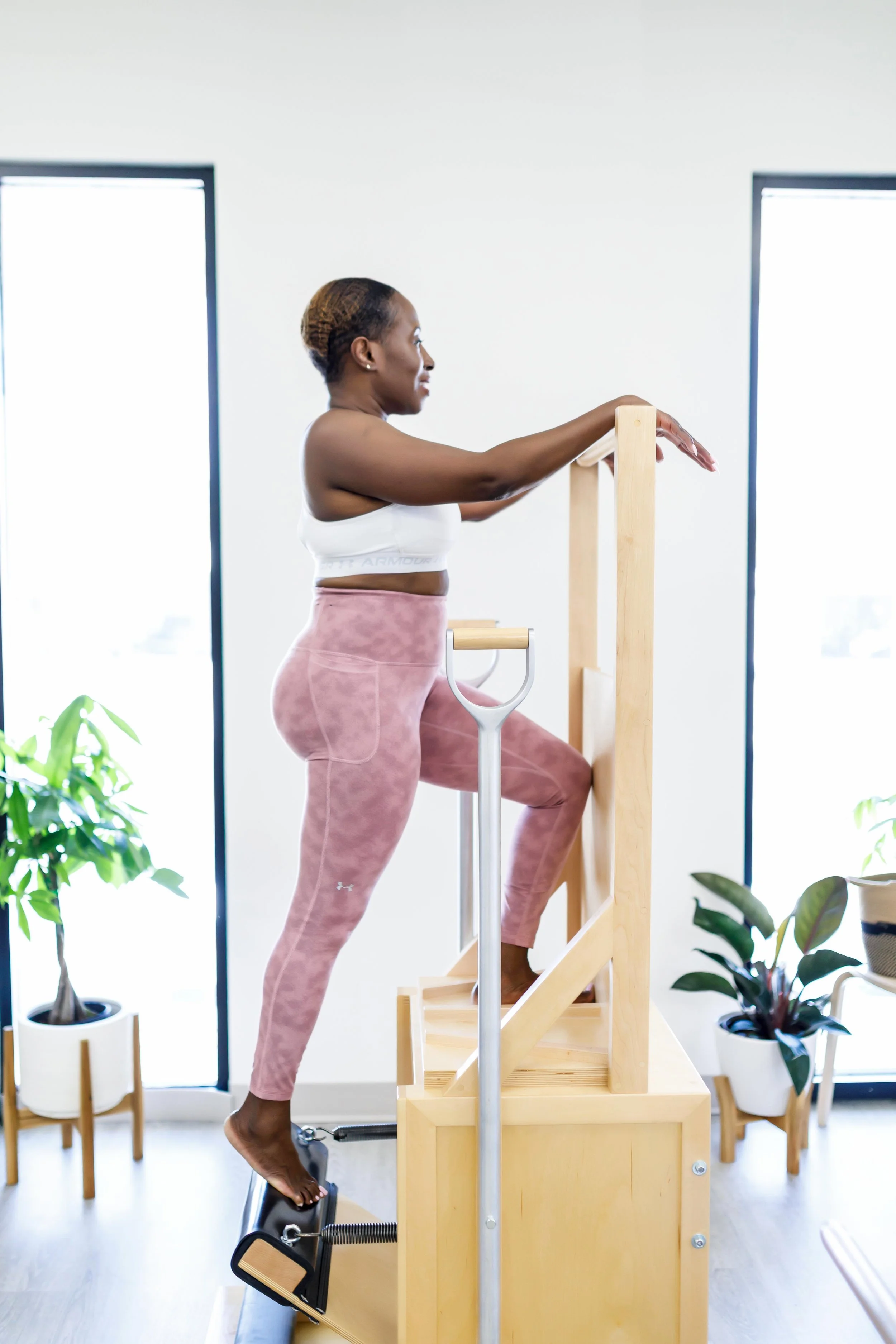
Alexa is a classical Pilates teacher who aims to share her love for Pilates with as many people as possible, especially those who have traditionally been under-represented in this practice. Through classical Pilates she helps women reach new limits and discover the best version of themselves. Check out Alexa's studio Peachtree Pilates studio in Georgia.