
The Accidental Counsellor: What Pilates Instructors Need to Know

You didn’t sign up to be a therapist. You signed up to help people move better, breathe better, feel stronger in their bodies. But if you’ve been teaching Pilates for any length of time, you already know that the studio has a way of making people open up.
A client comes in for their regular session and within minutes, between the footwork and the hundred, you find yourself holding space for a marriage breakdown, a miscarriage, a redundancy, or just an overwhelming week that finally tipped someone over the edge.
That’s what I call being an “Accidental Counsellor” and it’s far more common in the wellness industry than anywhere else. But it also leads to us as instructors carrying the weight of the world on our shoulders.
Why the Studio Becomes a Safe Space
There’s something about the Pilates environment that invites vulnerability. You’re guiding someone through physical sensations, breathing cues, moments of stillness. The relationship is built on trust and when a person feels safe in their body, they often feel safe enough to speak.
I know this not just as a trainer and facilitator, but from lived experience. I spent 16 years in high-performance corporate roles, teaching Pilates on weekends as my outlet. I thought I had wellness figured out. Then in 2022, a series of personal and work events coincided and I found myself taking on my team’s challenges while barely managing my own. That experience sent me back to study Psychology and what I see is that people most at risk of carrying others’ emotional loads are often those in caring, relational roles. Like Pilates instructors.
You’re Not There to Fix, You’re There to Notice
The most important reframe for any instructor is that your role is not to become a psychologist.
The first step is learning to recognise the signs that something is off. In a studio context, this might look like a usually energetic client who’s gone flat, someone who’s increasingly cancelling sessions, or a regular who suddenly can’t focus during class. What you’re looking for is a change from their usual baseline.
What to Say After “Are You Okay?”
Most of us are reasonably good at asking. It’s the bit that comes after, when someone actually says they’re not okay, that trips us up. The urge to fix, reassure or jump to solutions is natural, but it’s not our job.
I use a simple framework called ALEC: Ask with empathy and privacy, Listen without judgement, Encourage action toward professional support, and Check in afterwards.
Some phrases that may help: “That sounds really tough, thank you for sharing that with me,” or “I’m here to listen, I don’t have all the answers but I’m not going anywhere.” What doesn’t help: “You’ll be fine,” “Just push through,” or “Other people have it worse.” These responses, however well-meaning, shut conversations down.
Knowing When to Refer
You are not your client’s therapist. Knowing when and how to refer them to professional support is one of the most important skills you can develop. If a client discloses ongoing mental health struggles or distress that is clearly impacting their daily life, that’s the moment to gently redirect.
Try something like: “I really appreciate you trusting me with this. I think it might help to speak to someone specifically trained for this, would you be open to that? I can help you look into what’s available.” Normalise it and destigmatise it. You can even share that you’ve seen a professional yourself if it feels comfortable. That personal touch removes a lot of the hesitation people feel.
Key referral pathways to know about: a GP as a first point of contact, Beyond Blue (1300 22 4636), Lifeline (13 11 14), and local psychology services. Having these on hand means you can be helpful in the moment and not just sympathetic.
Looking After Yourself First
The one thing no one tells you about being a good support person is there is a cost involved. Emotional labour is real, and instructors who hold space for clients all day without a recovery strategy will eventually burnout.
After a heavy conversation, your nervous system responds the same way it would to a physical threat. Having your own reset protocol is non-negotiable. It might look like breathing deliberately (a longer exhale calms your nervous system faster than anything), moving your body, or stepping outside for a few minutes.
Beyond the immediate reset, build a habit of reflection. Ask yourself what from that conversation was theirs to carry and what you are taking home. Empathy is one of our greatest strengths as instructors but empathy without boundaries leads to burnout.
You Already Have What It Takes
You don’t need to have all the answers to make a difference to someone who is struggling. The awareness to notice when something is off, the courage to gently check in and the knowledge of where to direct someone next is what makes the biggest difference. You already do the hardest part every session by showing up, paying attention and caring about your clients.
That’s not accidental at all, that’s exactly what this industry needs more of.
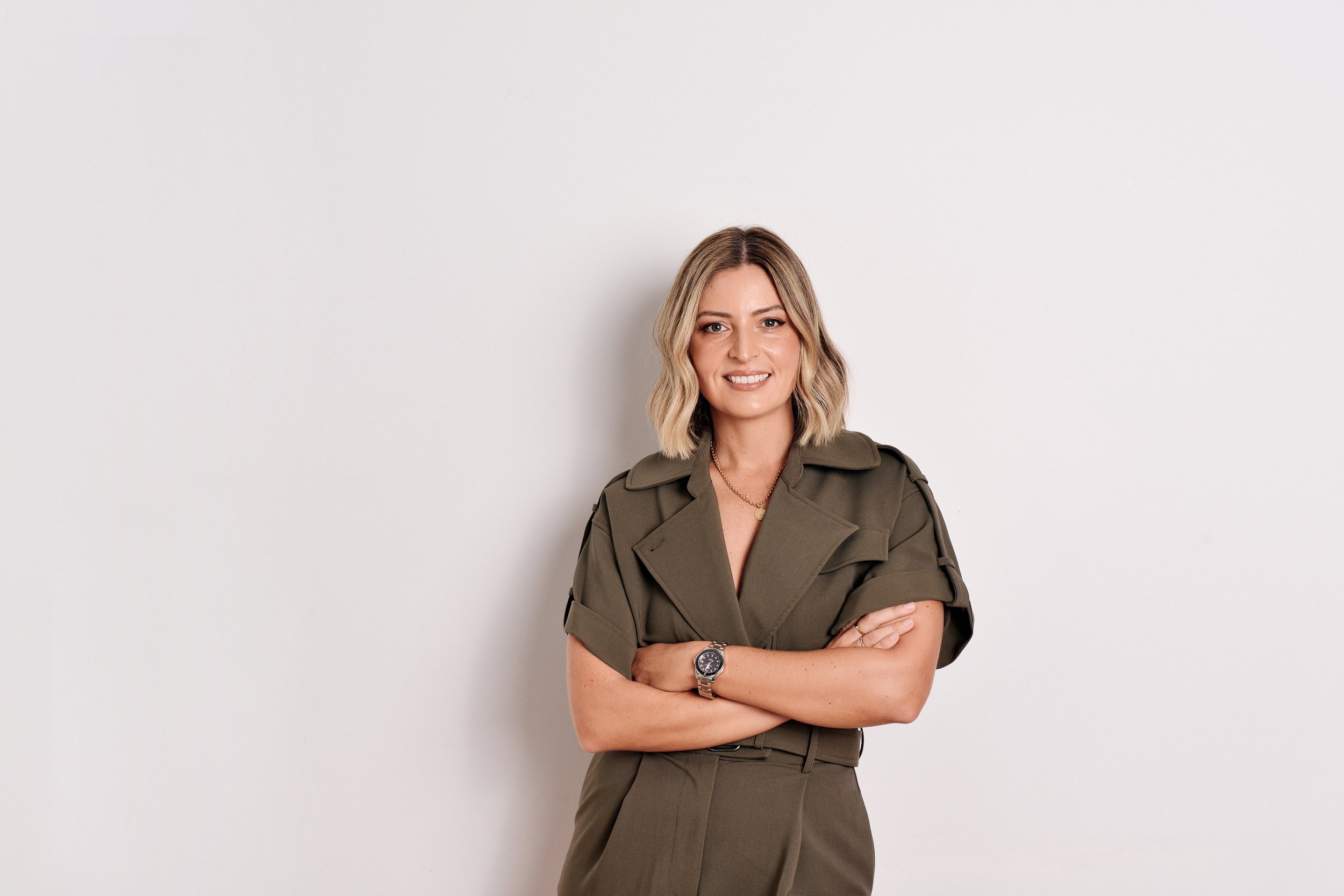
Ange Davies is a wellbeing and leadership facilitator, Pilates instructor, and founder of Mind Your Grit. She holds a Post Grad in Psychology and runs the Accidental Counsellor workshop for leaders and teams. For more information visit mindyourgrit.com.au