
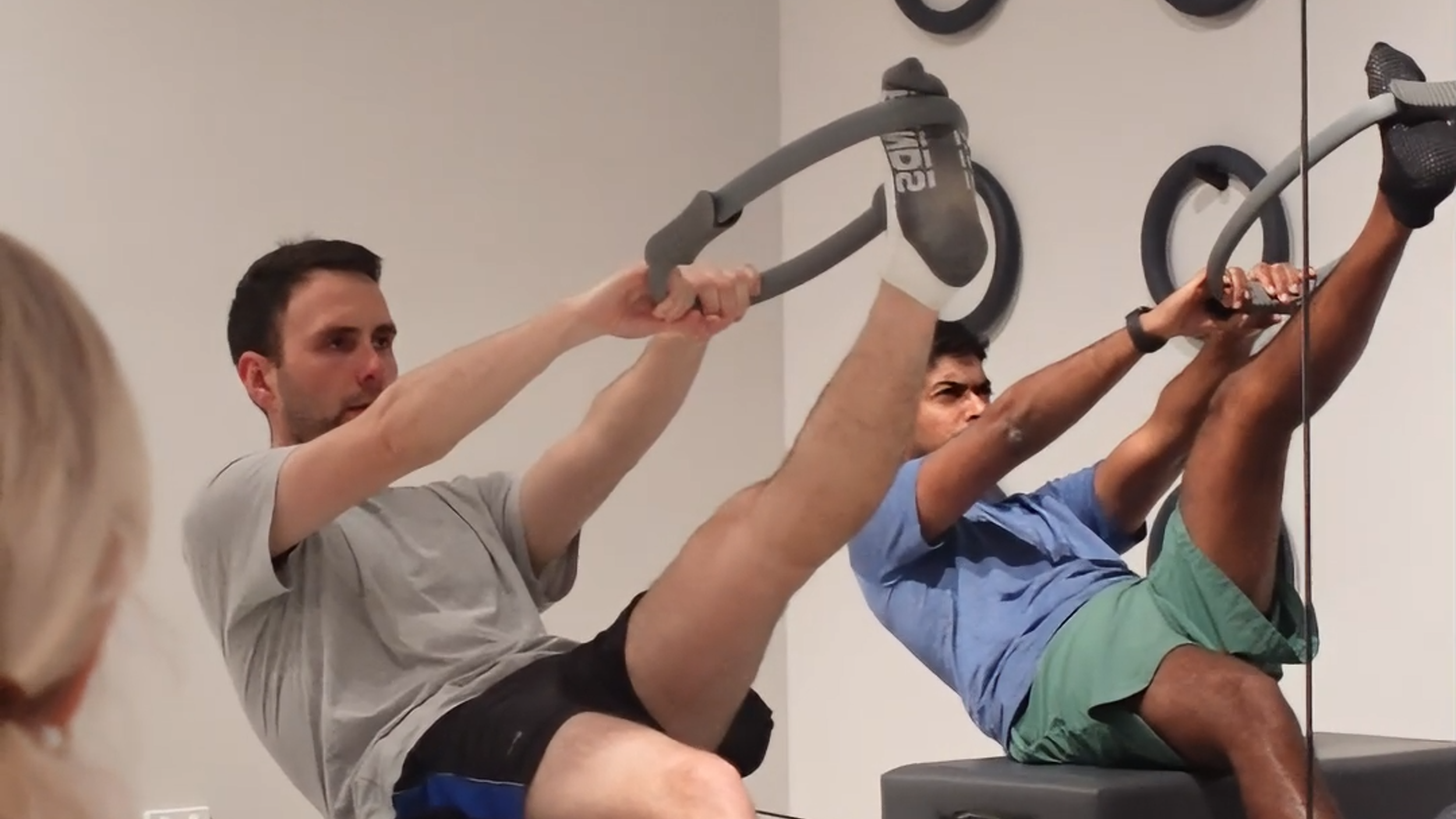
Walk into Street Pilates in Victoria, Australia, and it doesn’t take long to realise something feels different.
The music is loud, the room is buzzing, and the coaching is direct. But beneath the energy is something more deliberate: a training philosophy built around progress rather than performance.
For founder Annie Counsel, that shift began with a simple question.
“What would a Pilates space look like if progress was the priority from day one?” she says.
It’s a question that ultimately shaped Street Pilates into something that sits somewhere between a Pilates studio and a training environment, a place where classes feel like group training sessions, yet remain deeply rooted in movement quality and intentional coaching.
From Recovery to Philosophy
Annie’s relationship with movement didn’t begin with Pilates.
“A massive misconception about me would be that I’ve always loved to work out,” she explains. “Like a lot of us, as a teenager and into my early 20s, it was actually kind of the opposite.”
Initially drawn to intense training environments, Annie found herself chasing the burn and pushing limits until eventually hitting burnout.
“I thought I loved training… until I hit my breaking point,” she says.
Pilates entered her life as a recovery tool but it quickly became something more.
“I ended up fumbling into Pilates as a recovery activity and realised pretty quickly that there was something different here. Something with depth.”
Her professional pathway into the industry was shaped early on by mentorship from an Exercise Physiologist, a background that shifted her perspective on how movement should be taught.
“My classes were never really rooted in how things looked or how well they flowed,” she explains. “I was always far more interested in what the movement was actually doing for the person in front of me and whether it was going to move the needle for them long term.”
That mindset would become the foundation of Street Pilates.
Pilates Treated Like Training
At first glance, Street Pilates looks like a traditional studio: group classes, reformers, and structured sessions. But the philosophy running underneath it is very different.
“I took the model I see flourish in a gym environment and adapted it to Pilates,” Annie explains.
Instead of endless class types, fluctuating trainers and constantly changing formats, Street operates with deliberate simplicity.
“We offer two memberships and one pack. We have six beds, two trainers, three session styles, and only a handful of session times each week.”
The goal is to remove the noise and create consistency.
“Less is more,” she says. “Less to think about for us, and less to think about for our clients.”
Clients train at the same time each week, with the same trainer, often on the same reformer.
“They pick the time slot that works for them and they’re booked in recurring. Every week they get the reformer they like, it even has their name on it when they come in.”
In an industry increasingly driven by variety and scale, Annie intentionally moved in the opposite direction.
“Variety and endless offerings are great in theory,” she says, “but as a society we’re already dealing with decision fatigue.”
Coaching Over Choreography
The difference becomes even clearer once class begins.
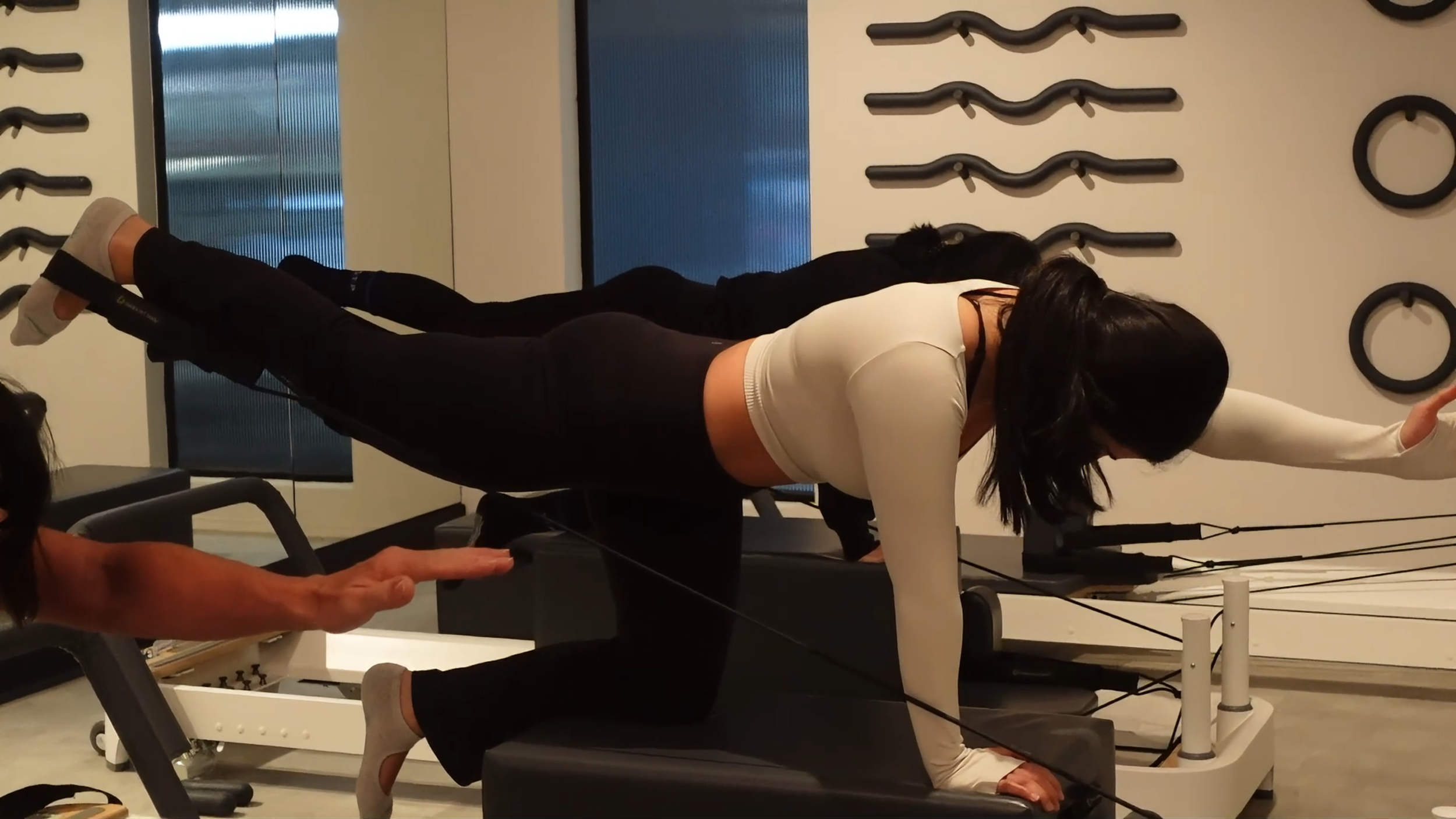
While many Pilates classes emphasise flow and choreography, Street Pilates prioritises coaching.
“A lot of instructors teach the room,” Annie says. “They control it, they lead it, and it works. At Street, we train.”
Sessions are designed around the clients present that day, rather than a predetermined sequence.
“Classes still carry the energy of group training, but they’re programmed around the people in the room and what they’re working towards.”
Small class sizes mean there’s nowhere to hide, something Annie sees as a key part of the studio’s culture.
“Our main goal is helping clients get comfortable with discomfort, because that’s where progress lives.”
But that discomfort isn’t about loading heavier springs or pushing intensity for the sake of it.
“We’re not talking about throwing all the springs on or how heavy your dumbbell is,” she explains. “We’re talking about intentional progress.”
Clients are challenged to develop awareness, breath control and technical adaptability.
“Can you breathe continuously and purposefully throughout a plank hold? Can you adapt your form from a verbal cue alone without needing hands-on correction?”
The result is a room of deeply focused movers.
“Our clients listen intently,” Annie says. “They dial into their movement, their mind-to-muscle connection, and their ability to regulate their nervous system is honestly like nothing else I’ve seen.”
The Street Effect
Despite the strong training philosophy, the atmosphere at Street Pilates remains anything but clinical.
“Although we’re a small space, the personality is big,” Annie says.
Community forms quickly inside the studio’s intimate environment.
“Our community is small, but they’re connected.”
New clients often feel the energy immediately.
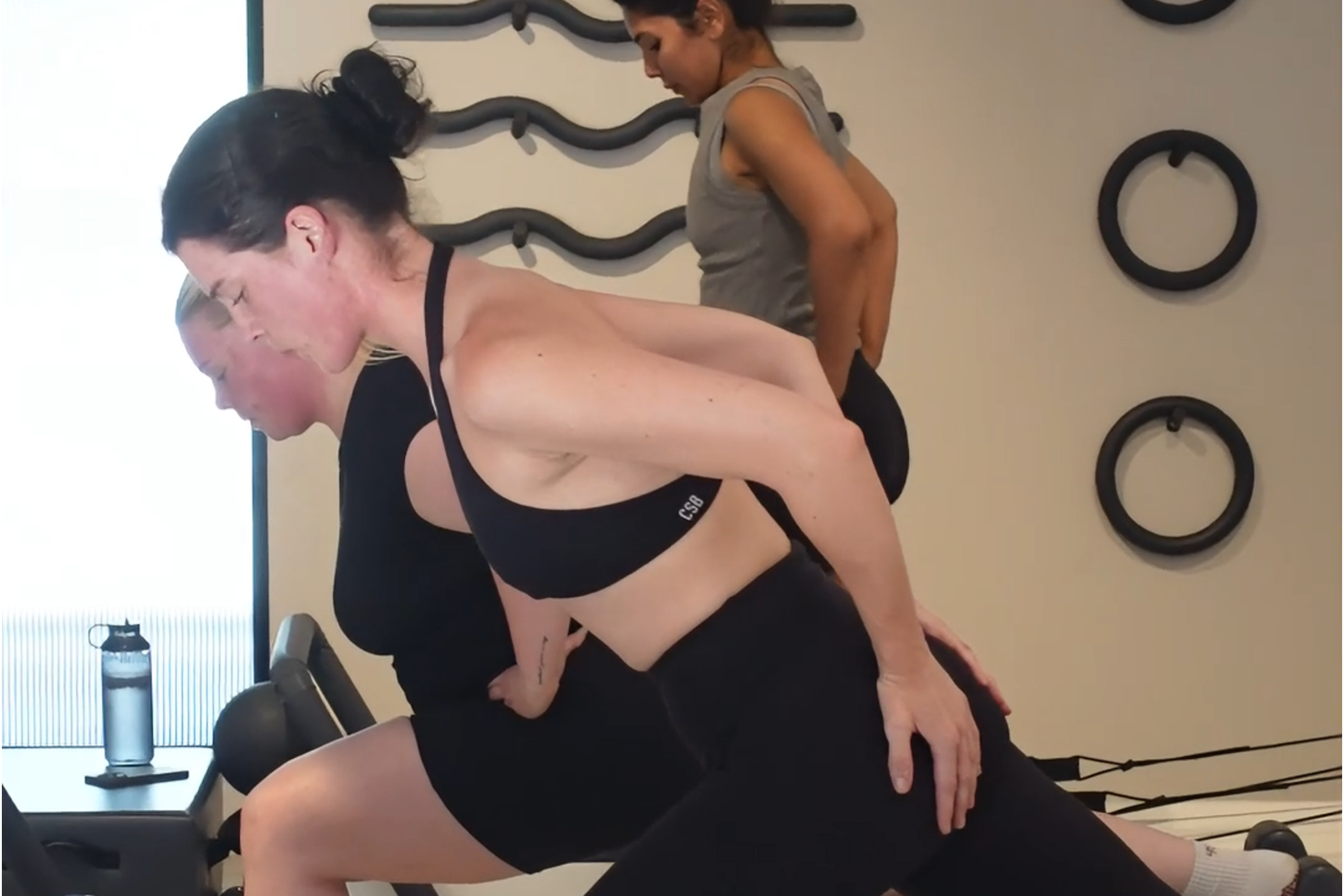
“When you hustle your way through something you’re unsure you can do, but you feel that buzz in the room and think ‘hell yeah, I can’… and then you do it, this invisible bond happens.”
Music plays a surprising role in shaping the studio environment.
“For 45 minutes you can expect to lose yourself in a room full of energy,” Annie says. “You’ll most likely get a little hot and flustered, but you’re guaranteed to spend your time bopping along with our RnB and old school rap playlists.”
A Mindset Shift
While the physical progress clients experience is clear, Annie believes the biggest change happens beyond the reformer.
“They get better,” she says simply.
But improvement doesn’t just show up in stronger movements or deeper layers in class.
“They feel better in their bodies. They get closer to their overall health goals. They start making different choices outside of the studio.”
Over time, something deeper begins to shift.
“It becomes more than just movement,” Annie explains. “It’s mindset.”
The studio has become known for what Annie jokingly calls “the Street Effect.”
“When you do hard things, and you do them often, something shifts,” she says.
Clients begin backing themselves more in the studio and beyond.
“They hit milestones, go for the promotion, show up a little more confidently in their day-to-day lives.”
And in a Pilates industry that often feels dominated by aesthetics and perfection, Street Pilates has built its culture around something else entirely.
“Street isn’t just for the Pilates princesses,” Annie says with a smile.
“It’s for the driven.”
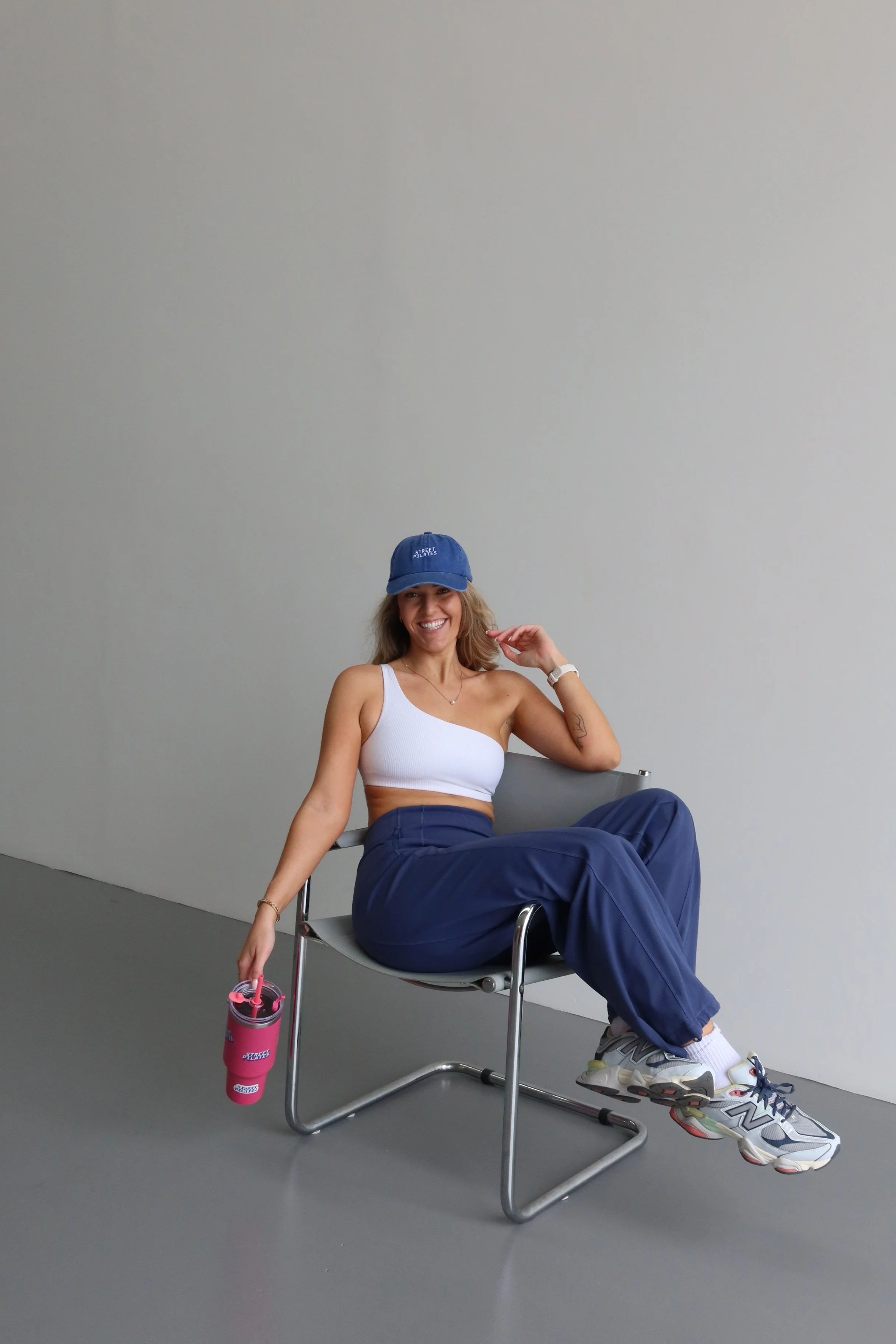
Annie built Street Pilates around one core belief: progress matters. Through intelligent coaching and structured programming, she’s on a mission to help clients train with purpose and lift the standard of Pilates across the industry.