
Pilates: Where Craft Meets Art
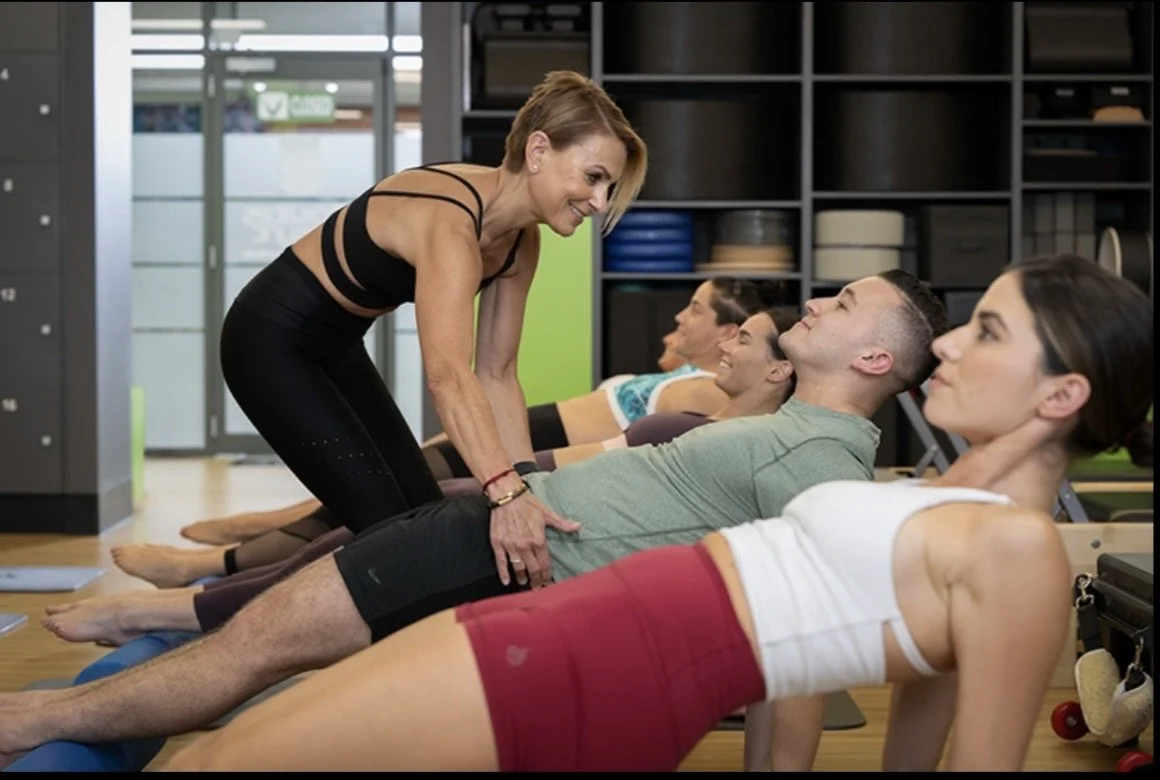
After more than 20 years in the Pilates profession, I’ve come to view this method not just as a form of exercise, but as both a craft and an art — equally grounded in structure and guided by intuition.
The craft of Pilates lies in its foundation: precision, technique, alignment, and biomechanics. These are the principles we learn, refine, and pass on with integrity. But it’s the art, the ability to read the body, adapt on the spot, and create flow that truly brings the work to life.
Over the years of teaching, I’ve developed what many call the “Pilates eye” that innate sense of observing subtle imbalances, compensations, or untapped potential in a client’s movement. Whether it’s adjusting breath to unlock a deeper core connection or cueing a small shift in alignment that changes everything, it’s these intuitive micro-adjustments that elevate a session from standard to transformational.
At my studio, Pilates Insync, this philosophy underpins every session: blending structure with creativity, always remaining client-centered.
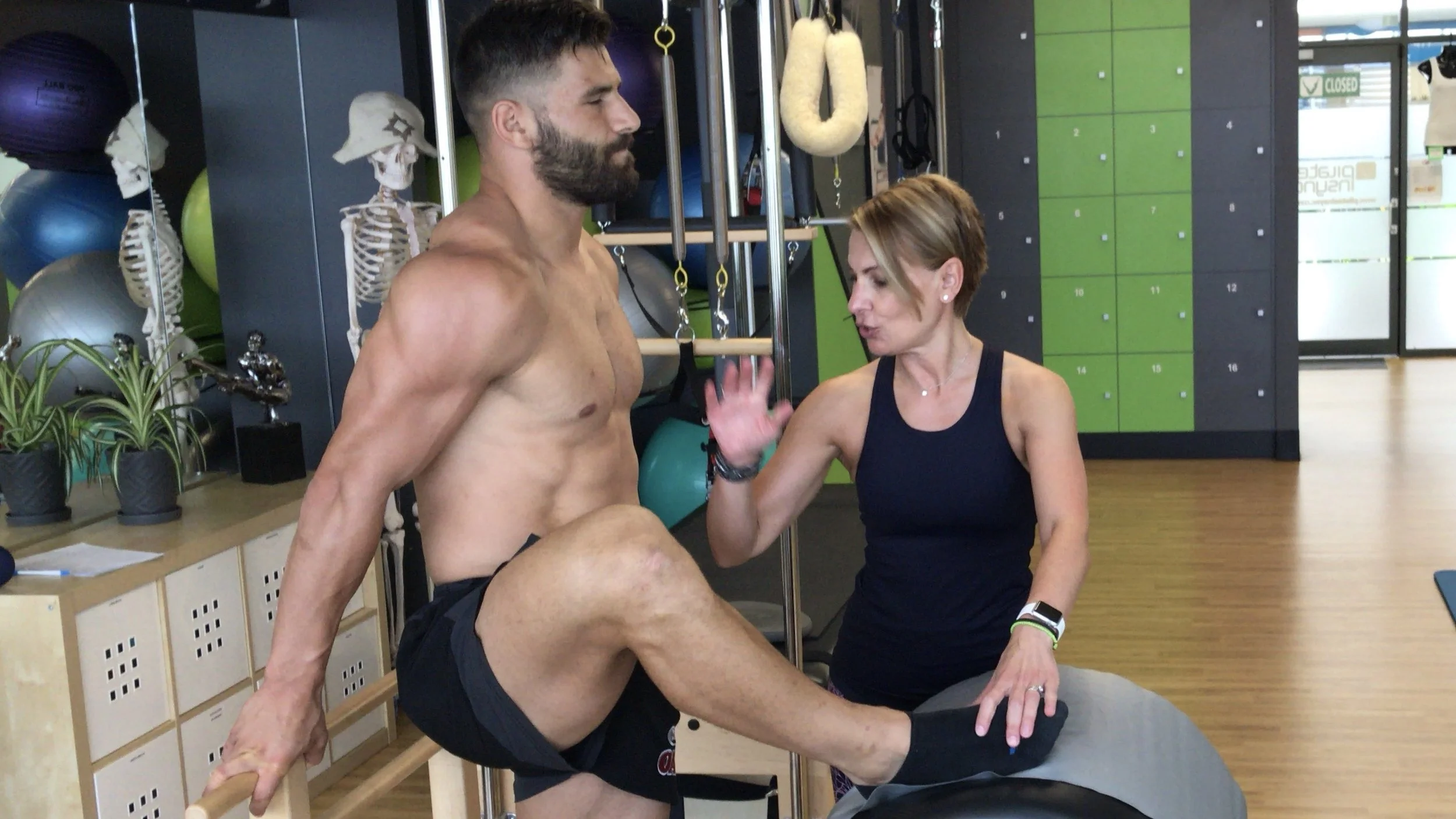
I’ve seen this in action countless times from helping an Olympic diver refine their spinal articulation for better aerial control, to working with a professional NRL player recovering from a hamstring injury. In both cases, the Pilates principles remained the same, but the way they were applied was vastly different, creative, customized, and always evolving.
For example:
• Melissa Wu, a five-time Olympian and world champion diver, came to me looking to improve control and body awareness. We focused on spinal articulation, breath control, and eccentric loading to refine her performance in the air — with a strong emphasis on movement flow and rhythm.
• Loko Pasifiki Tonga, a rising NRL talent, worked closely with me for two years. We tailored Pilates sessions to build strength, mobility, and resilience — integrating Reformer and Cadillac work to support his transition into first-grade competition. His recent debut and first try were moments of immense pride.
Pilates is not a one-size-fits-all practice. It’s an evolving language that, when taught with both skill and intuition, becomes a powerful tool for transformation — whether you’re working with elite athletes or everyday movers.
My top tips for Teachers or Helen’s handy hints!
If you’re just starting your Pilates teaching journey, here are some heartfelt insights from my own path to help guide and inspire you:
1. Master the fundamentals
Before you get creative, build a solid foundation. Learn the principles deeply — alignment, breath, control — and understand the “why” behind the movement. Your creativity will be stronger when it’s rooted in knowledge.
2. Develop your eye
The best teachers don’t just cue well — they see well. Watch how people move in everyday life. Notice asymmetries, movement patterns, posture. This will sharpen your ability to truly teach rather than just instruct.
3. Commit to lifelong learning
This cannot be stressed enough: never stop learning. Attend workshops, conferences, masterclasses — even if you’ve heard the topic before. Each time you’ll hear something new, see it from a different lens, or deepen your understanding. The best teachers are always students first.
4. Surround yourself with mentors and peers
Stay connected with a community of teachers who challenge and inspire you. Whether it’s a local mentor or an international leader, having guidance and accountability will keep you growing.
5. Be prepared, but adaptable
Plan your sessions with care, but don’t be afraid to pivot when the client needs something else. Some of the most powerful moments in teaching come from trusting your instincts in the moment.
6. Teach from connection, not just correction
People won’t always remember the cues you gave — but they will remember how you made them feel. Bring presence, empathy, and authenticity to every session. That’s what makes your work truly impactful.
7. Stay curious — always
After 20+ years, I still walk into workshops eager to learn. New perspectives, different styles, fresh ideas — it keeps your teaching alive and your passion burning. No matter how experienced you become, stay open to being surprised, challenged, and inspired.
Invest in yourself, your growth, and your craft — because when you evolve, your clients do too.
Pilates isn’t static. And neither are we!

Over the past 20 years, Helen has continually advanced her education, achieving Principal Trainer status with the PAA, completing leading qualifications with Pilates ITC and Polestar, and serving on the PAA Board. Renowned for working with elite athletes, she now shares her expertise as an educator with Pilates ITC while running her studio, Pilates In Sync.