
The Magic of Arthrokinematics: Feeling the Hip from Within
Ever wonder why your hips start pleading for mercy halfway through Single Leg Circles or Teaser? You’re holding perfect form, your muscles are firing on all cylinders, and yet your hip flexors are throwing a tantrum, clinging on for dear life. The culprit may not be a lack of strength or flexibility, but a missing ingredient called arthrokinematics: subtle, behind-the-scenes micro movements where the head of the femur glides, rolls, and spins within the socket. When those subtle shifts don’t happen, the hip flexors tense up in silent agony, counting down the seconds until the exercise finally ends.
When clients struggle with hip mobility or complain of pinching at the front of the hip, our instinct is often to stretch, release, or strengthen. But to truly restore balance and ease, we need to look deeper at what’s happening inside the joint. This is where the science of arthrokinematics becomes invaluable, revealing the small but essential movements that make all the difference in how the hip feels and functions.
What Is Arthrokinematics?
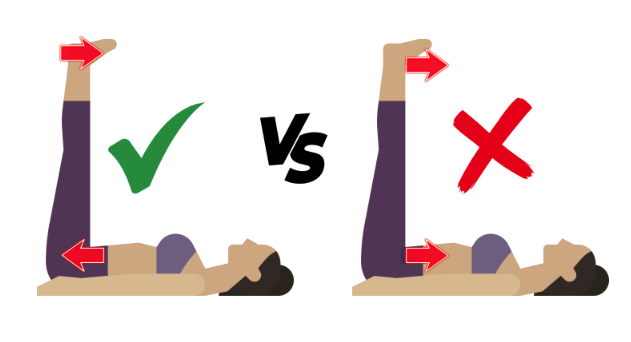
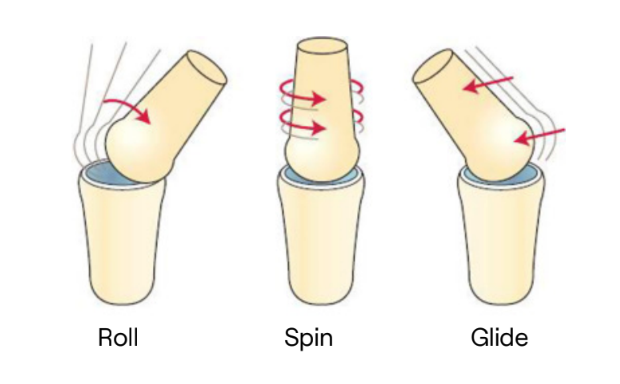
Arthrokinematics refers to the subtle movements between joint surfaces, including roll, glide, and spin, that make our larger, visible movements smooth and coordinated. Imagine the hip joint as a round ball sitting within a deep socket. When you flex your hip, the femur doesn’t just swing forward like a door on a hinge. The femur head rolls forward and glides backward and downward within the socket. This tiny posterior glide maintains space and balance in the joint, preventing compression at the front of the hip.
If that glide doesn’t occur and both the knee and the head of the femur move forward together, the front of the hip can feel tight or pinched. That’s when the hip flexors start gripping, trying to stabilize a joint that’s lost its internal balance.
Osteokinematics vs. Arthrokinematics
To fully understand this, it helps to distinguish between osteokinematics and arthrokinematics; two layers of movement that are always happening together. Osteokinematics refers to the large, observable movements of bones through space— flexion, extension, abduction, adduction, and rotation. It’s what we can see and measure in the studio.
For example:
— Lifting the leg in a Teaser = hip flexion
— Pressing the carriage out in Footwork = knee extension
These are the “big picture” movements we cue every day in Pilates.

Arthrokinematics, on the other hand, describes what’s happening inside the joint as those larger movements occur. It’s the roll, glide, or spin of one bone surface against another. When you flex the hip (osteokinematics), the femoral head glides posteriorly within the socket (arthrokinematics). If this posterior glide is missing, the femoral head jams forward, creating compression and that familiar “pinch” at the front of the hip. The result? Limited mobility, overworked hip flexors, and often, discomfort in exercises like Leg Circles, Teaser, or Footwork.
Understanding this relationship allows teachers to cue more precisely and help clients move with greater ease.
The Hip Compass: Finding Direction in the Joint
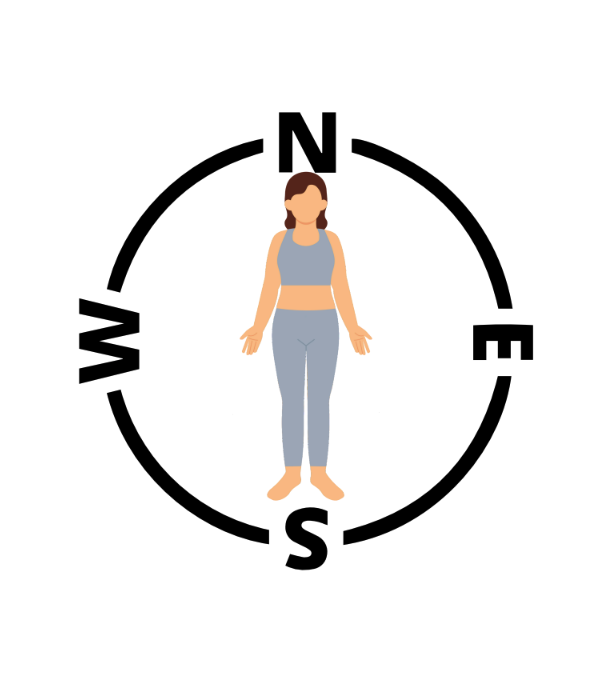
Imagine your body as a compass while lying on your back: your head points north and your feet point south. As you circle one leg, the femoral head should move in opposition to the direction of the leg— if the knee or foot travels north toward your head, the femoral head glides slightly south toward your feet, maintaining balance in the joint.
When this subtle arthrokinematic glide is missing, both the knee and femoral head move north together, crowding the front of the hip. The hip flexors and quads overwork to stabilize the leg, the deep stabilizers disengage, and the pelvis may tilt or grip in response. But when the roll-and-glide relationship is restored, the hip begins to feel light, supported, and integrated. The workload spreads across the deep rotators, glutes, and hamstrings, making the movement smoother, more efficient, and less pinchy– a true conversation between muscles rather than a struggle.
From Gripping to Gliding:
Finding the Hip in Feet-in-Straps A perfect place to explore this concept is in Lower and Lift with Feet-in-Straps on the Reformer. The straps assist the legs, giving practitioners a chance to feel the difference between the movement they see and the subtle glide and roll happening inside the hip.
As the feet move toward the head, the femoral heads should plug deeper into the sockets and roll gently toward the feet. When the legs lower back toward the footbar, the femoral heads glide forward and up, keeping the joint aligned. When this internal opposition is in place, the pelvis stays neutral, the front of the hip softens, and the entire leg participates evenly. But when the hip flexors take over, both the knee and femoral head travel north together, the compass goes off, and the front-line muscles do all the work.
Understanding arthrokinematics transforms how we cue movement. You can use playful imagery: “With each lift, let the femur head sink deep into the socket and glide toward the footbar, opposite the direction of the foot,” or “Feel the leg rolling south on an imaginary compass while your foot moves north.” These cues often create that magical aha moment when the leg suddenly feels supported from the inside out, and the hip flexors can finally breathe a sigh of relief.

Lauren Brandt, RMT, NPCP, is a Balanced Body Educator based in Victoria, BC. She teaches Pilates teacher training and mentorship programs through Lauren Brandt Pilates, integrating clinical anatomy with the art of embodied movement.