
The Missing Link in Pilates Education — Teaching in Real Time Beyond the Repertoire.
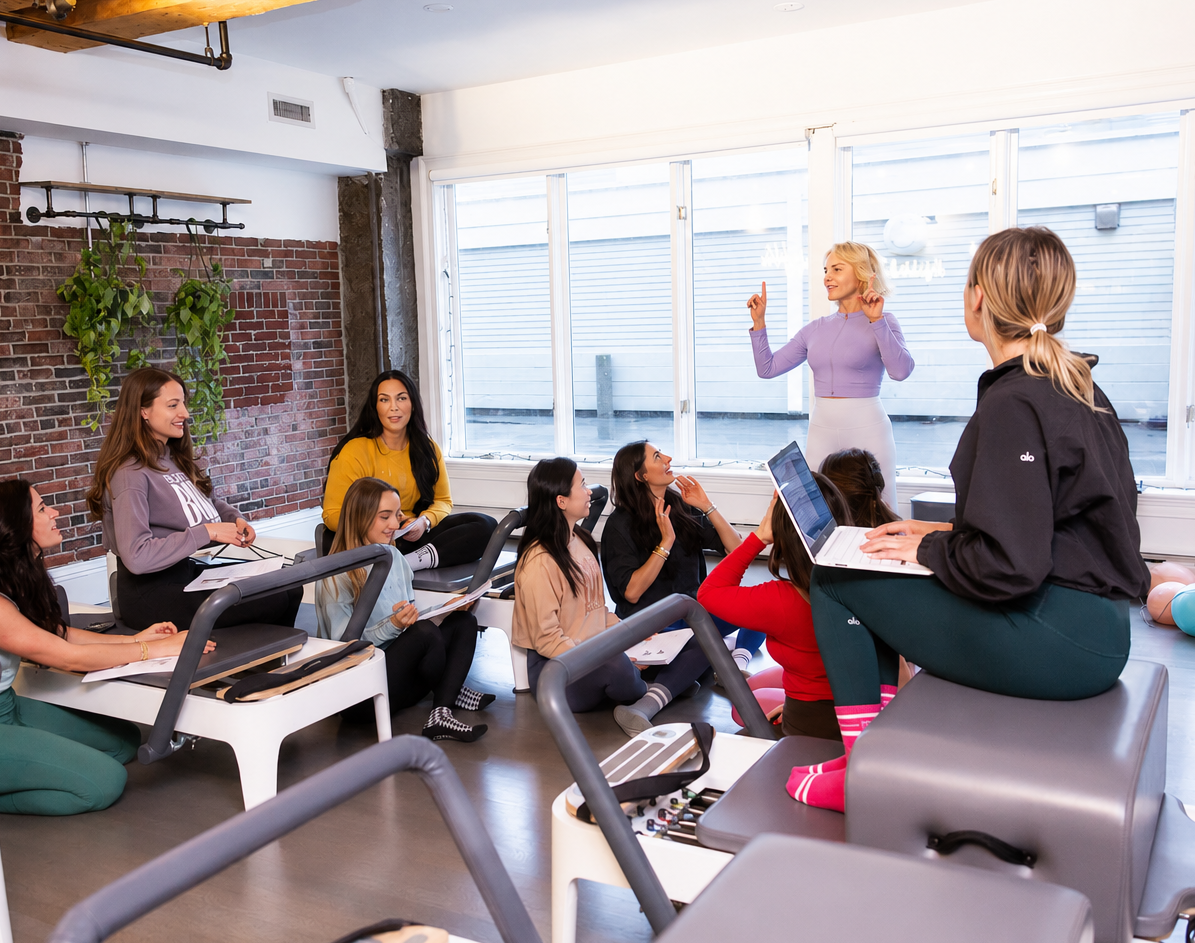
Pilates education has evolved tremendously. Programs are more comprehensive and more widely respected than ever before. And yet, there is still a consistent gap I see across instructors at every level. It’s not a lack of exercises. It’s the missing bridge between learning the work and actually teaching it. Most certification programs do an excellent job delivering repertoire. Instructors learn what to teach, the order, the setup, and the choreography. What often remains underdeveloped is how to think in real time, how to see the body in front of you and make decisions moment by moment. Because teaching Pilates is not about executing a sequence. It’s about interpreting movement.
Where Instructors Actually Grow
The real work of teaching lives in three places: cueing, progression, and observation. Cueing is the ability to translate anatomy into something a client can feel immediately. Progression is knowing when, why, and for whom to layer or simplify. Observation is the trained ability to recognize patterns and adjust in real time. This is where instructors either grow or plateau.
Why Choreography Isn’t Enough
The industry has moved toward more dynamic and athletic programming, and this has real value. Having options for varied, engaging choreography allows instructors to meet different bodies, learning styles, and client preferences in meaningful ways. However, choreography alone does not create effective teaching. Without a deep understanding of the classical repertoire, and the time spent practicing, observing, and completing extensive apprentice hours, instructors risk building classes that lack intention and progression. True skill comes from knowing the work at its foundation, and then having the experience and judgment to adapt it. Without the ability to respond in real time, even well-designed sequences become rigid. They do not meet the individual in front of you, and they do not evolve in the moment. Great teaching requires more than variety. It requires understanding.
The Role of Mentorship
This is where mentorship becomes essential. The skills that define strong instructors, precise cueing, thoughtful progression, and clear observation, are not developed in isolation. They are refined through feedback, guided practice, and real-time problem solving. Mentorship builds something deeper than knowledge. It builds decision-making.
Learning Beyond the Repertoire
Joy Puleo (@balanced_body)
Director of Education, Balanced Body
“Learning an exercise is like baking. Follow the recipe and you will get a reliable result.
Learning to teach is like cooking. It requires understanding the outcome you want,
adapting in the moment, and developing the skill to pivot when needed. Exercises are
the foundation, but teaching is the art. It is developed over time through experience,
mentorship, and the ability to see what is possible, cue what is necessary, and guide
clients toward meaningful change.”
Korin Nolan (@korinnolanpilates)
Studio Owner, Pilates Instructor & Online Educator
“Your teacher training is just the beginning. Teaching real bodies is where the learning
truly starts. Many new instructors move quickly into full schedules without continuing
their own practice, often relying on pre-built flows without clear intention. Take as many
experienced teachers’ classes as you can and study how they cue and progress. When
something resonates, apply it and observe how your clients respond. You need to feel it
in your own body to teach it with clarity and confidence.”
Tabatha Russell (@tabathalrussell)
Studio Owner & Pilates Educator
“Start with structured observation and guided teaching practice, focusing on how the
body moves while receiving clear feedback from an experienced mentor.
Confidence develops through repetition, reflection, and understanding why you are
teaching, not just what you are teaching.”
Where to Start
For instructors who recognize they need more support, the next step does not need to be complicated, but it does need to be intentional. Seek out mentorship or observation opportunities. Being in the room, live or through recorded sessions, and seeing how experienced teachers think, cue, and make decisions in real time is where the most meaningful growth happens. Focus on depth over volume. Rather than adding more exercises, refine how you teachone. Clearer cueing, more intentional progressions, and a better understanding of what you are trying to achieve will build real skill. Begin to notice patterns across the repertoire and how different bodies respond. Over time, this creates a more connected understanding of movement that extends across apparatus and informs more confident decision-making. And most importantly, ask why. Understanding the intention behind each exercise leads to clearer teaching, stronger progressions, and more effective results.
Raising the Standard
If we want to continue elevating Pilates education, we need to look beyond what we teach and focus on how we develop teachers. That means placing greater value on mentorship, critical thinking, and the ability to adapt in real time. Because great teaching is not defined by how many exercises you know, but by how well you understand the body in front of you.
Mentorship is not an addition to education. It is what transforms knowledge into mastery.
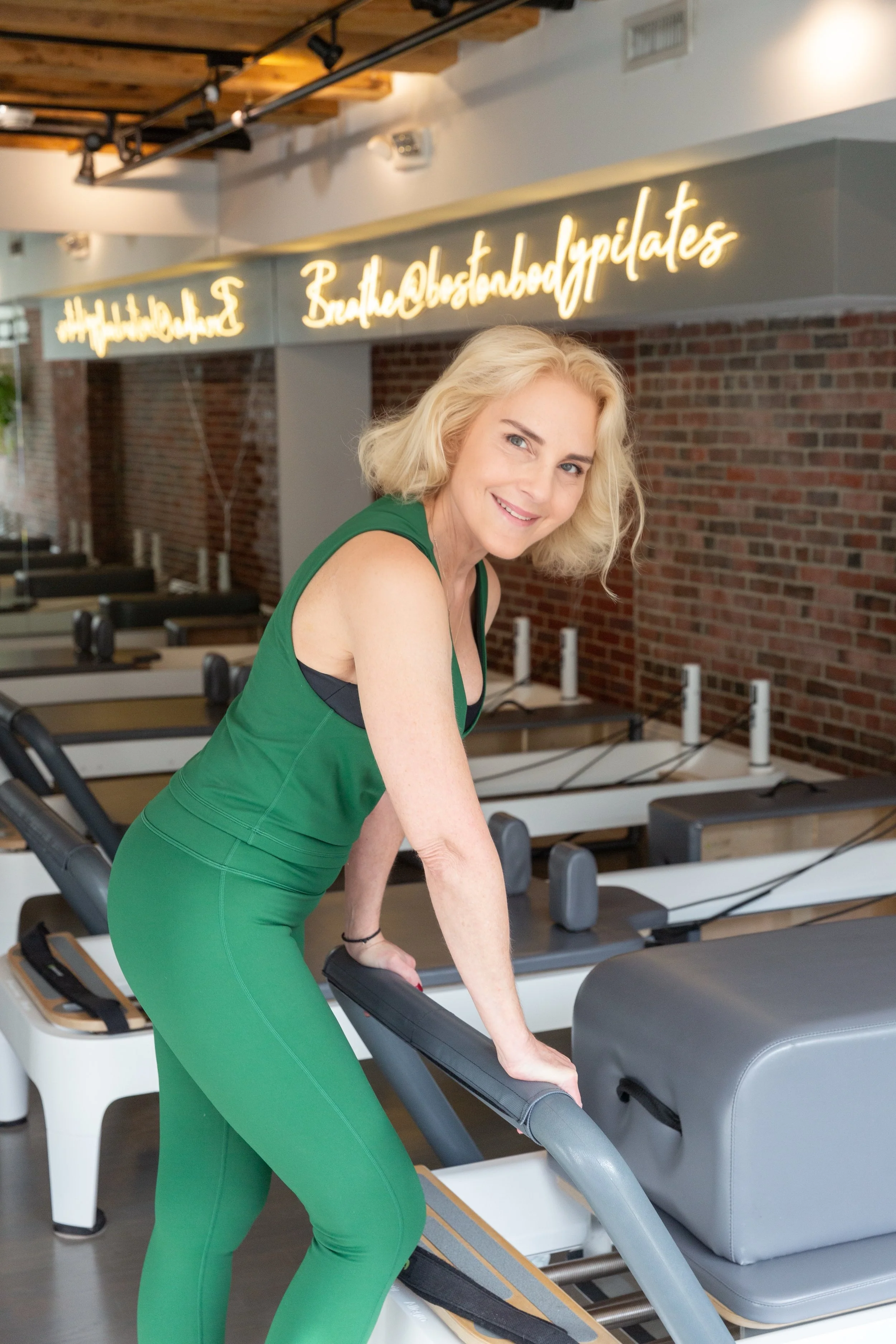
ZAYNA is the Founder of Boston Body Pilates and Program Director of Boston Body Education, a Balanced Body faculty member, and creator of Balanced Body Barre. A leader in instructor mentorship for over 30 years, she’s known for her virtual studio, Pilates to Go, and as host of “It’s a Pilates Party,” with her studio recognized as a top Balanced Body Host Site since 2008.