
The Teacher I Became Before I Knew Why
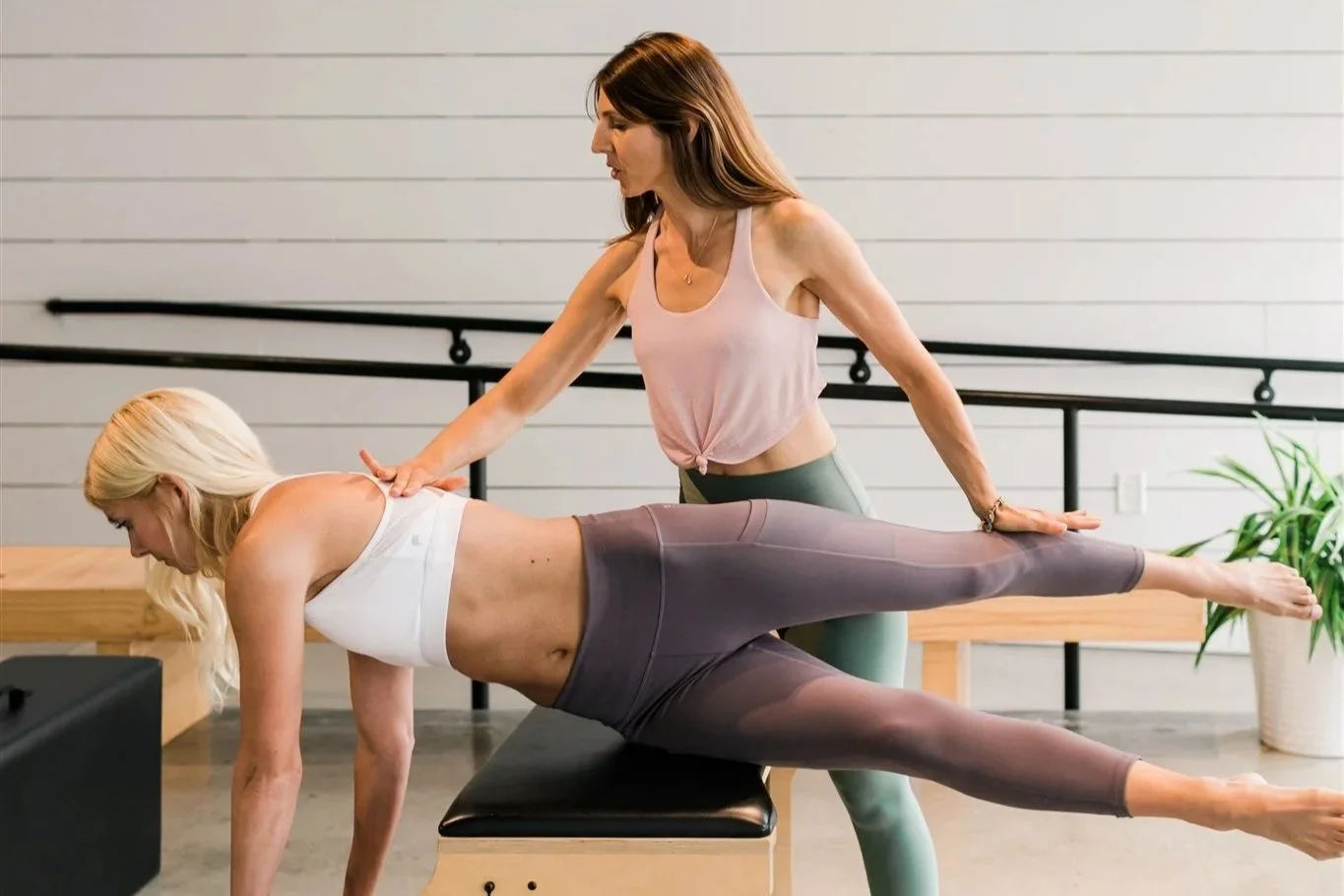
For more than two decades, Kristen Matthews built a respected career in Pilates education without realising that ADHD had been quietly shaping the way she taught, mentored, and connected with others. In this personal reflection, she explores how learning differently became one of her greatest strengths as a teacher.
I was officially diagnosed with ADHD in my 40’s. By that point I had already been teaching Pilates for almost 20 years, had built a successful career in the industry, and helped create a teacher training program at Speir Pilates. During that same time I doubted myself daily, felt lazy, experienced anxiety, aimed for perfection, overexplained myself, was a people pleaser, and avoided rejection.
ADHD had been shaping how I learned, how I read people, how I stayed curious, and how I moved through a room. I just didn’t realize it. And in some ways, not knowing made it more authentic. I grew into the teacher and mentor I am today without consciously trying to. Someone who is patient and curious. Attuned to the person in front of me.
What does this actually look like in practice? Apprentices cry to me. Not all of them and not always, but it happens more than you might expect. I’ve never thought it was strange. I hold space, and people feel that. I think it comes from the same place as my patience: I know what it’s like to work hard at something and still feel like you’re not getting it. I know what it’s like to need someone to stay with you anyway.
There’s another layer to this that took me longer to understand about myself. I feel the possibility of rejection acutely. The silence after feedback, an unreadable expression, a moment where I can't tell how something landed. My instinct is to assume the worst, that I’ve said something wrong, that I’ve hurt someone, that the relationship has shifted. Most of the time, I’m wrong. The person is just processing. They’re fine. They appreciated the feedback. Learning to sit with that uncertainty, to not immediately try to fix something that isn’t broken, has been one of the quieter pieces of work in my career.
But that same sensitivity is what makes me careful. When I give feedback, I’m thinking about how it’s going to land, not to soften it into uselessness, but because I know from the inside how much the delivery matters. I’ve had to help apprentices navigate real conflicts with each other, fire and water personalities, communication styles that felt like criticism when they weren’t meant to be. That work isn’t about taking sides. It’s about helping people understand that different isn’t threatening. That’s something ADHD has given me, I don’t experience difference as threat. I experience it as information.
Another thing ADHD has given me is that it keeps me open. My brain wants to keep moving, keep questioning. I’ve never been able to plant a flag in one camp and stay there. The best teachers I know are still asking questions.
I’m deeply rooted in classical Pilates. That foundation matters to me. But I stay up to date on research science. I stay in conversation with people across the full spectrum of this industry, and I hold classical and contemporary worlds in both hands at once. Not because I’m trying to be diplomatic, but because I’m genuinely curious about all of it. This has been quite a gift in an industry that can be a bit tribal. After 23 years, what still drives me is watching someone become a teacher. Not someone who has memorized the cues, someone who has stopped performing the material and started actually connecting. There's a moment when it happens and you can see it. Something shifts.
I don’t think I would recognize that moment the way I do without everything ADHD has taught me. About how learning isn’t linear, about how people need different things, about how the most important thing a mentor can offer is the willingness to stay in the room.
I built my career without knowing any of that had a name. And looking back, I think it might be exactly why it worked.
Key Takeaway
The way we learn, process feedback, and connect with others is not something to overcome - it often becomes the very foundation of how we teach. For Pilates educators and mentors, the real work is not expecting every apprentice to learn in the same way, but recognising that difference can be one of the greatest strengths in the room.
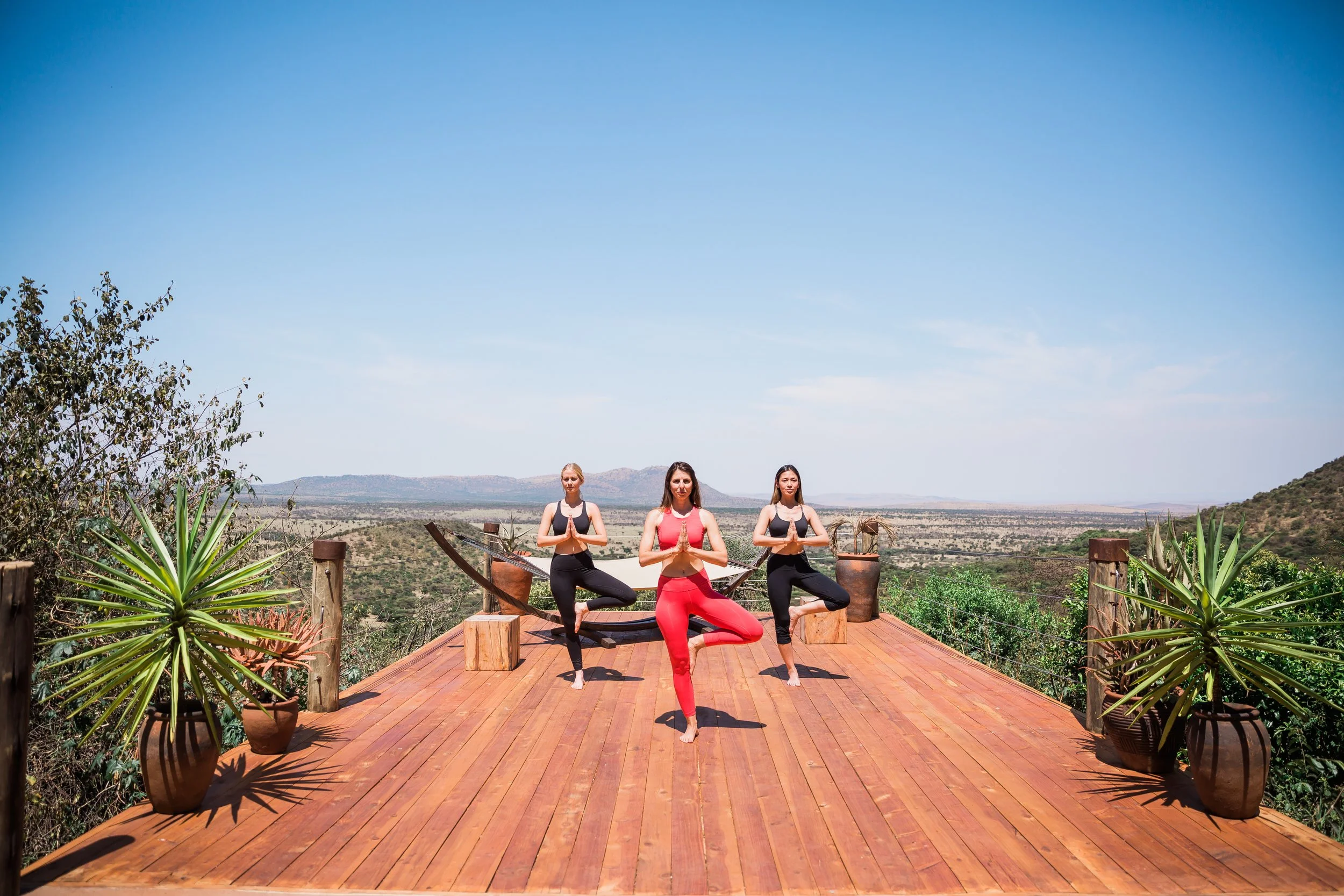
Kristen Matthews is a Nationally Certified Pilates Teacher and Director of Education at Speir Pilates, bringing more than 20 years of experience in Pilates instruction, teacher training, and movement science. Since joining Speir from its inception, she has played a key role in building its respected teacher training program, supported by more than 15,000 hours of teaching experience and advanced training with leading educators including Bob Liekens, Susan Moran, and Benjamin Degenhardt. With additional credentials across yoga, prenatal fitness, exercise physiology, and movement education, Kristen is known for her scientific yet holistic approach to developing highly skilled and inspiring instructors.