
16 Years of Becoming
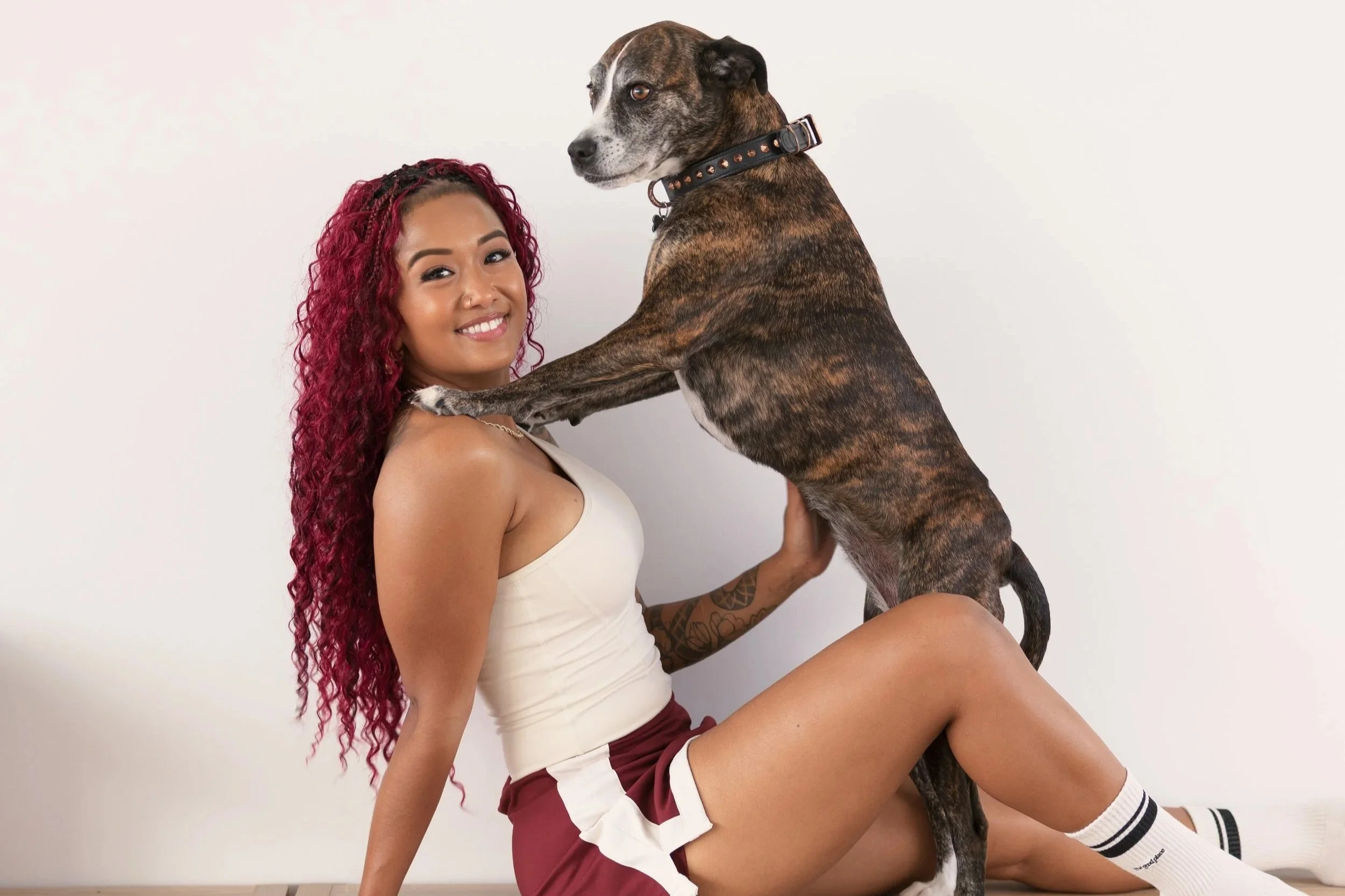
For much of my early life, I was known first and foremost as an athlete.
Competitive skating shaped my identity from a young age. My days were structured around training, performance and the pursuit of precision. Movement was something to perfect, a space where discipline and determination translated into results.
When that chapter of my life began to shift, the transition was not immediate or easy.
Losing my skating identity left a massive hole for a few years. My late teens and early twenties were honestly pretty chaotic.
My life was in shambles at that point. I had dropped out of skating, left school, moved out of home at 17 and pretty much walked away from everything. I was completely off track.
During the early years of my teaching career, I was also navigating addiction and mental health challenges - experiences I now recognise as deeply formative.
I was deep in drug and alcohol addiction and completely off track, but Pilates became a small anchor that kept me connected to something meaningful.
Even when my personal life felt unpredictable, the responsibility of teaching created structure.
Pilates and my clients became an anchor through it all. Showing up to teach and support other people gave me a sense of direction. Looking back, that connection to movement and community played a huge role in helping me rebuild my life.
There came a point where I recognised the need for change.
“I realised I had an ultimatum, either keep going down that path or actually do something with my life.”
It was actually my Pilates instructors and my parents who really pushed me. They could see that I genuinely enjoyed Pilates and that I had a natural drive to help people. That encouragement was the turning point that pushed me to start taking my training and my future seriously.
Rediscovering Strength
Pilates first entered my life during rehabilitation from a spinal injury, a moment that reshaped both my physical awareness and athletic potential.
I actually didn’t step away from skating after my spinal injury. If anything,
“discovering Pilates during my recovery is what helped propel me forward.”
At the time, I thought I was strong, but Pilates showed me how much stability and control I was missing. My instructors were often surprised I was competing at the level I was because technically my foundations weren’t great.
By rebuilding those fundamentals, I was able to continue competing at an elite level.
I went on to represent Australia after that period, and honestly I don’t think I would have reached that level without Pilates.
Rehabilitation also brought a profound shift in mindset.
It taught me patience, something athletes aren’t always very good at. Before injury, movement was about pushing limits and chasing performance.
“Through rehab, I had to learn how to slow down, listen to my body and rebuild things properly.”
Movement stopped being about proving something and became more about sustainability, longevity and connection.
From Performance to Impact
As my focus gradually shifted away from elite sport, I discovered a new sense of fulfilment in supporting others.
“Pilates became more than just a practice, it became a way to rebuild purpose.“
I started shifting my focus from my own performance to helping other people move, understand their bodies and feel confident.
That experience continues to shape the way I work with athletes today.
A lot of athletes walk in thinking Pilates is easy, like it will just be a stretch and chill. But it’s precise, challenging and can absolutely humble even the strongest movers.
To me, Pilates is foundational.
It builds the control, alignment and body awareness that allow athletes to express strength more effectively. When they commit consistently, you often see improvements in efficiency, injury resilience and recovery.
For studios, I believe meaningful engagement starts locally.
Different sports place different demands on the body, so the approach should match that. Studios that connect with local clubs or offer sport-specific programming can create powerful outcomes. Once athletes experience the benefits, word spreads naturally.
Sixteen Years of Becoming
When I say 16 years of becoming, I mean constantly evolving as a mover, a teacher and a person.
I started teaching Pilates as a teenager, so in many ways I’ve grown up in this industry.
My lived experience shapes the environments I now create.
I care deeply about creating movement spaces that are adaptable, human and supportive because I know people walk into a studio with their own stories.
Perhaps the greatest shift has been letting go of perfectionism.
When I was skating, movement was all about perfection. Now it’s about showing up, being present in my body and improving just a little each day - that one percent better.
Pilates became more than a profession for me.
It became the path that allowed me to rebuild my identity, rediscover my purpose and continue becoming.
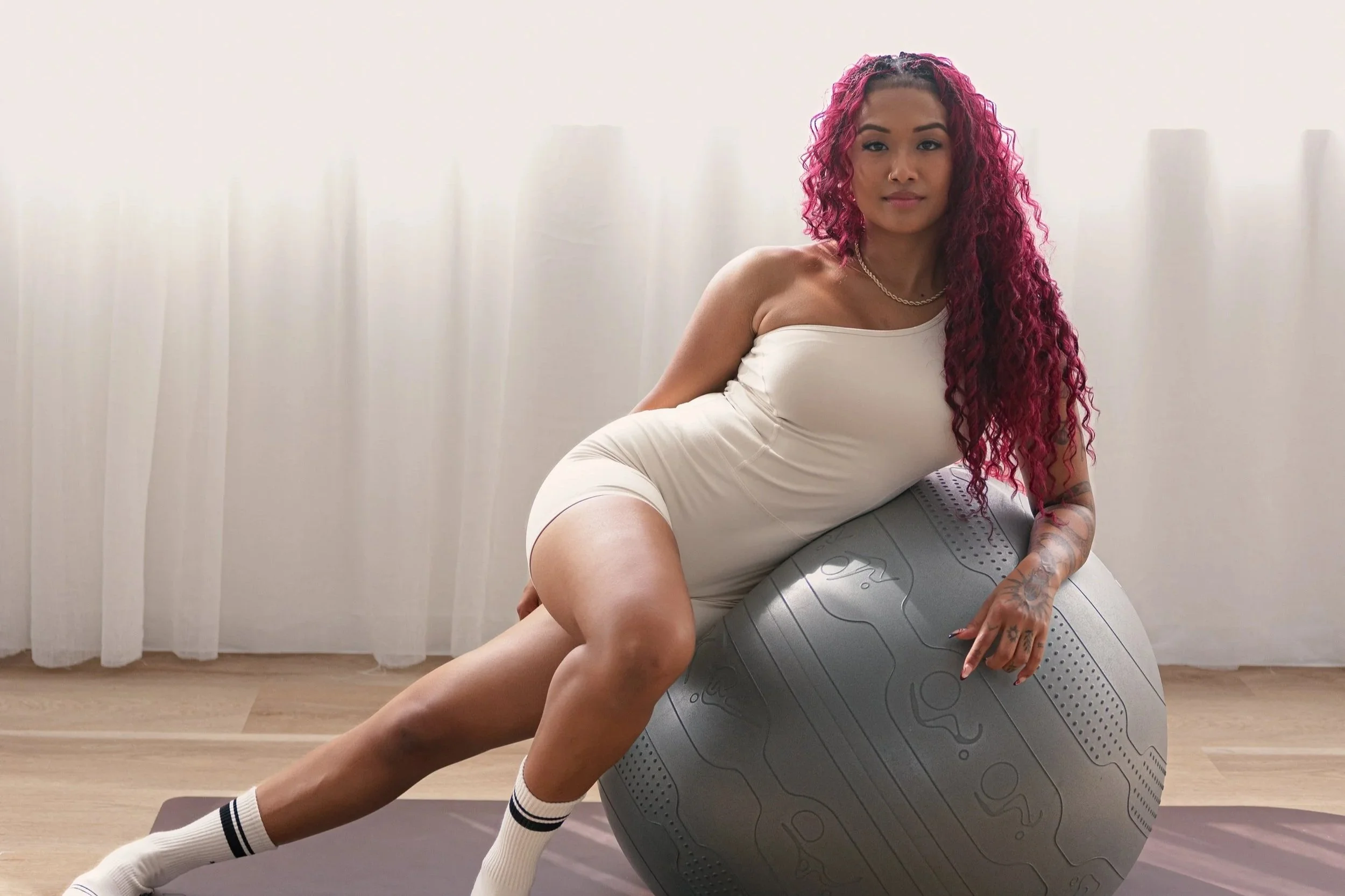
Renee has been immersed in fitness for most of her life, starting as an elite figure skater representing Australia. Transitioning to instructor, she collaborated with Olympic coaches at figure skating camps, integrating Pilates to enhance performance. Now, Renee specialises in scalable group reformer classes, using progressive layering to help clients at all levels progress with confidence. Committed to education and development, she contributes to Pilates Pro Flow and Class Choreography, empowering instructors to create dynamic, inclusive classes that unlock each clients potential and elevate their movement practice. You can find Renee at @Pocketrocketpilates or website.