
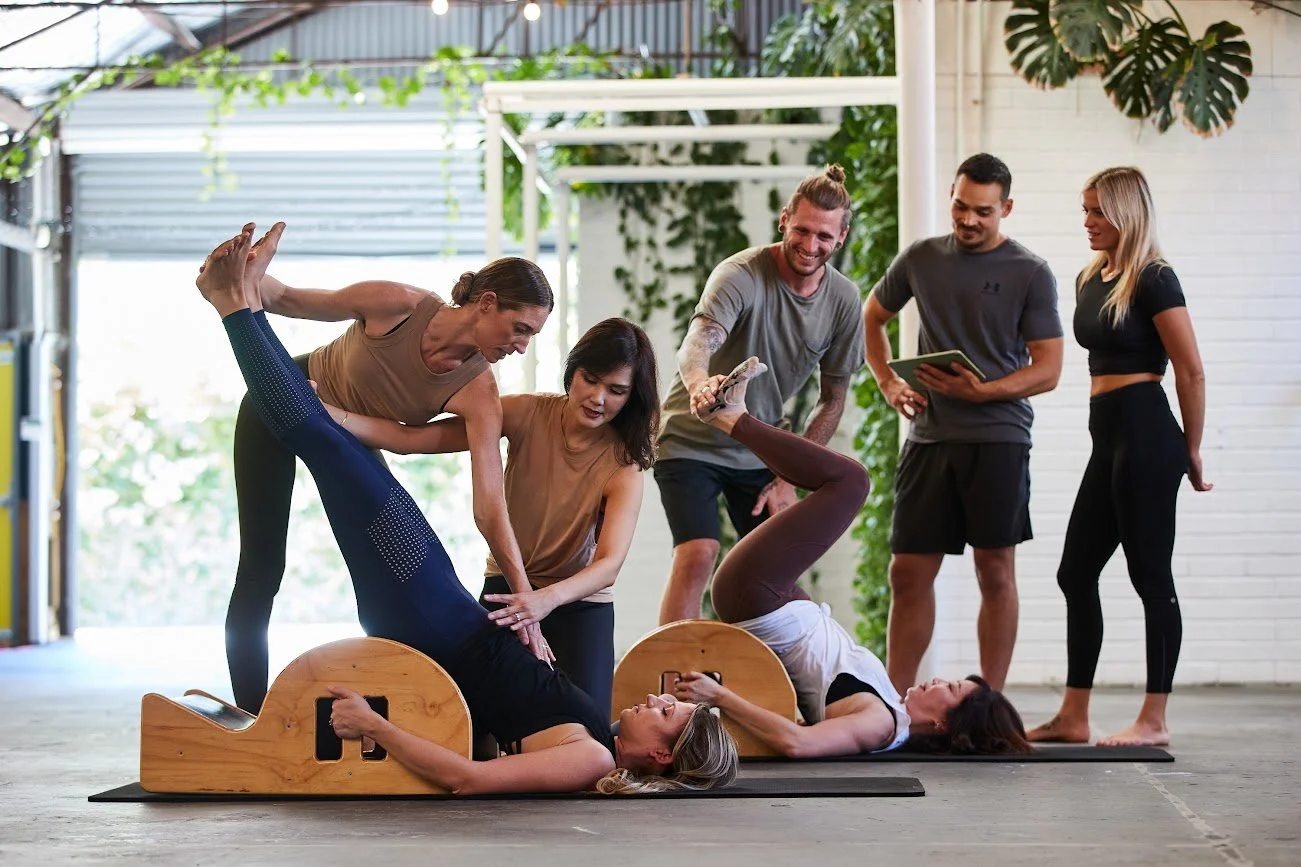
Photography @pilatesitc
The Pilates industry in Australia is entering a critical period of workforce strain. Across the sector, studio owners are reporting longer recruitment cycles, difficulty sourcing comprehensively trained Instructors and increasing pressure on senior teaching teams to meet growing client demand.
While demand for Pilates continues to rise, particularly within more specialised and clinically informed environments, the workforce capable of supporting that growth remains limited.
What was once viewed as an isolated studio-level challenge is now emerging as a broader industry imbalance.
Recent discussions across the sector, including insights shared through AUSactive webinars, have brought this into sharper focus. What has long been experienced at a studio-level is being recognised as a broader industry pattern, as informed by changing education pathways, evolving workforce preferences, and the reintroduction of private health fund rebates.
Operationally, this is evident in lengthy recruitment cycles, challenges in securing appropriately qualified Instructors, and often a reduced capacity to deliver specialised Pilates services. As a result, studios are being forced to delay service capacity, delay expansion plans or rely on narrower teaching skillsets to maintain operational demand.
The challenge is not simply that demand is increasing. It is that demand is accelerating at the same time the industry is moving toward greater professionalisation, regulatory clarity and heightened expectations around Instructor capability.
A key driver of this imbalance sits within the education pipeline, which is not keeping pace with industry demand.
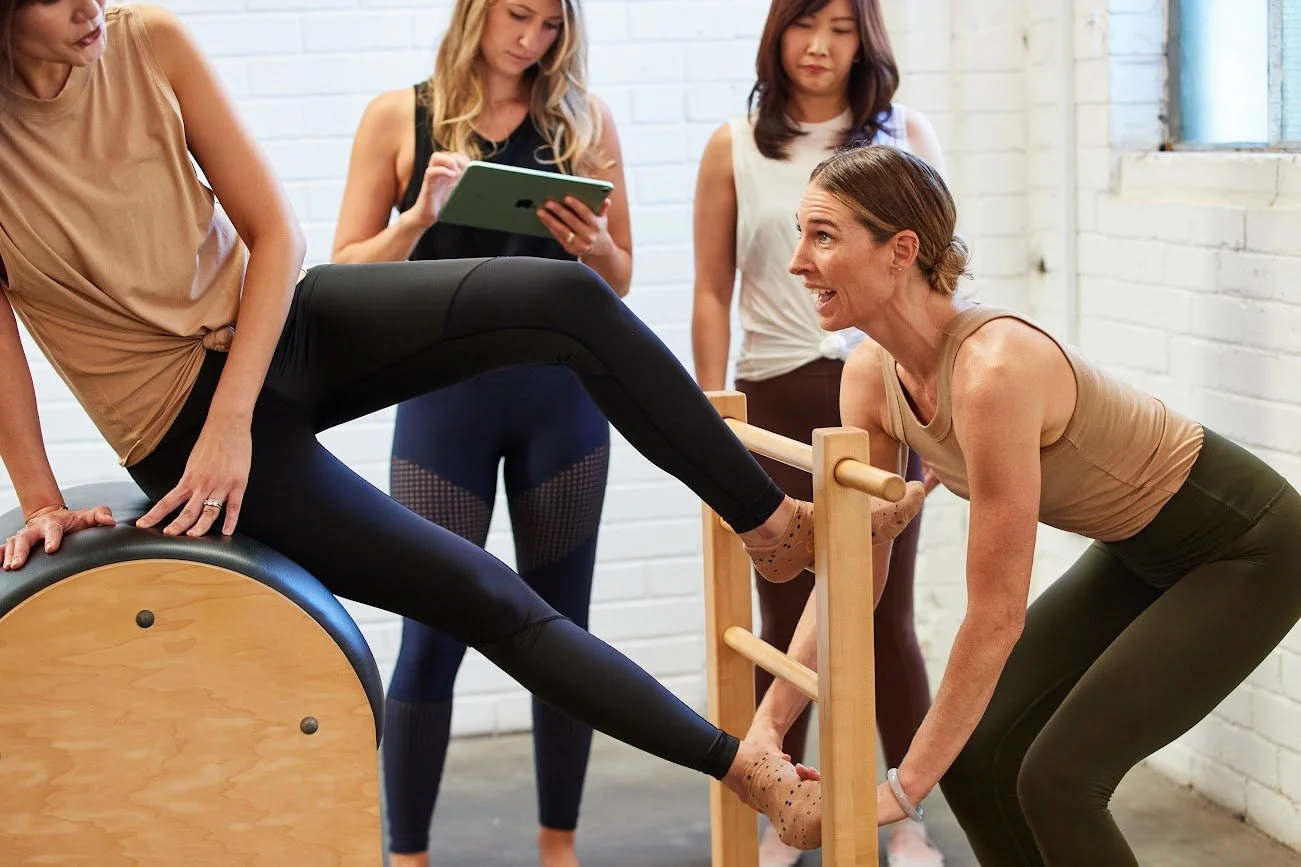
Anecdotally, among accredited education providers, we are seeing fewer students progress through to Diploma-level qualifications, and those who do are increasingly choosing independent or self-employed pathways over employment within fully equipped studio environments. While admirable, the shift toward flexible work models is reducing the pool of Instructors available to meet studio-based demand, especially for comprehensive/Clinical Pilates delivery.
The anticipated return of private health fund rebates adds another dimension to this dynamic. While the exact frameworks are still being finalised, the direction is consistent with broader health sector alignment: greater emphasis on recognised qualifications, defined scope of practice, and demonstrable professional capability.
From an economic perspective, this is likely to act as a demand multiplier. Rebate accessibility has the potential to increase client participation and broaden the range of individuals seeking Pilates services, across both structured group programs and more individualised applications.
However, at the same time, eligibility requirements will dictate who is able to deliver these services within the new rebate framework. This is driving greater distinction in the distinction between types of Pilates provision, broadly understood as group-based services and more individualised or clinically informed work.
Both are essential; however, in this emerging regulatory environment, each is being defined by distinct expectations of training, responsibility and professional positioning. This is a level of definition not previously formalised.
Taken together, these factors point to a maturing industry, one in which we know demand is high, but it is also very specific.
As regulatory frameworks take shape, there is growing recognition of Pilates as a profession within the therapeutic continuum, rather than as an adjunct to it. In this environment, the breadth of capability an Instructor brings is no longer peripheral: it is central to how they are positioned within the workforce.
In practical terms, this increases the value placed on comprehensive training and recognised qualifications. Accredited, Diploma-level qualification is becoming less a point of differentiation and more a reflection of alignment with where the industry is heading.
For those entering the profession, this makes the case for investing in a comprehensive qualification from the outset. For those already working within the industry without this level of formal recognition, pathways such as Recognition of Prior Learning provide a structured means of aligning existing experience with emerging standards, often achieved through a combination of recognition and targeted training, rather than “starting again”.
In this context, education is not simply a prerequisite, but a mechanism for maintaining relevance.
From an employment perspective, this alignment has clear implications. Instructors with comprehensive training are better positioned to access a wider range of roles, more stable working arrangements and increased earning potential. For studio owners, it supports the ability to recruit effectively, deliver a broader scope of services and respond to evolving client demand.
What is emerging is a recalibration of the relationship between education, capability and opportunity within the industry, one in which alignment between these elements will determine individual and business outcomes.

As a Registered Training Organisation, Pilates ITC continues to engage closely with these dynamics through its work with Students, Graduates and industry partners. The focus of these conversations is centred on progression, recognition and workforce sustainability, and how education can support both individual careers and the broader development of the profession.
The current environment presents clear challenges, but also a well-defined opportunity: to strengthen the connection between training, capability and employment, and in doing so, support a more sustainable future for the Pilates industry in Australia.

Francis is the co-Director of Pilates International Training Centre (Pilates ITC) / Pilates Fitness Institute. You can learn more about Pilates ITC courses here.