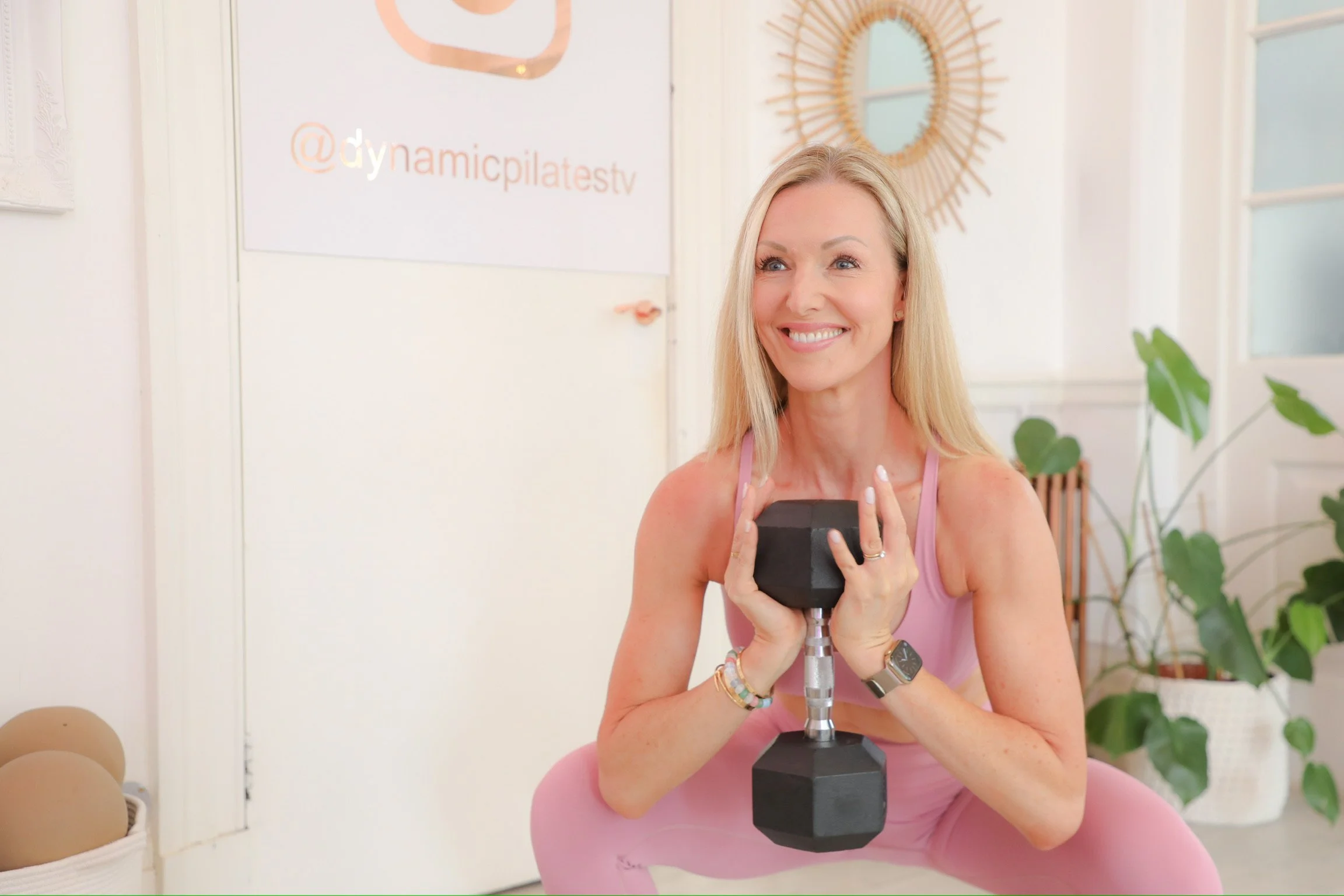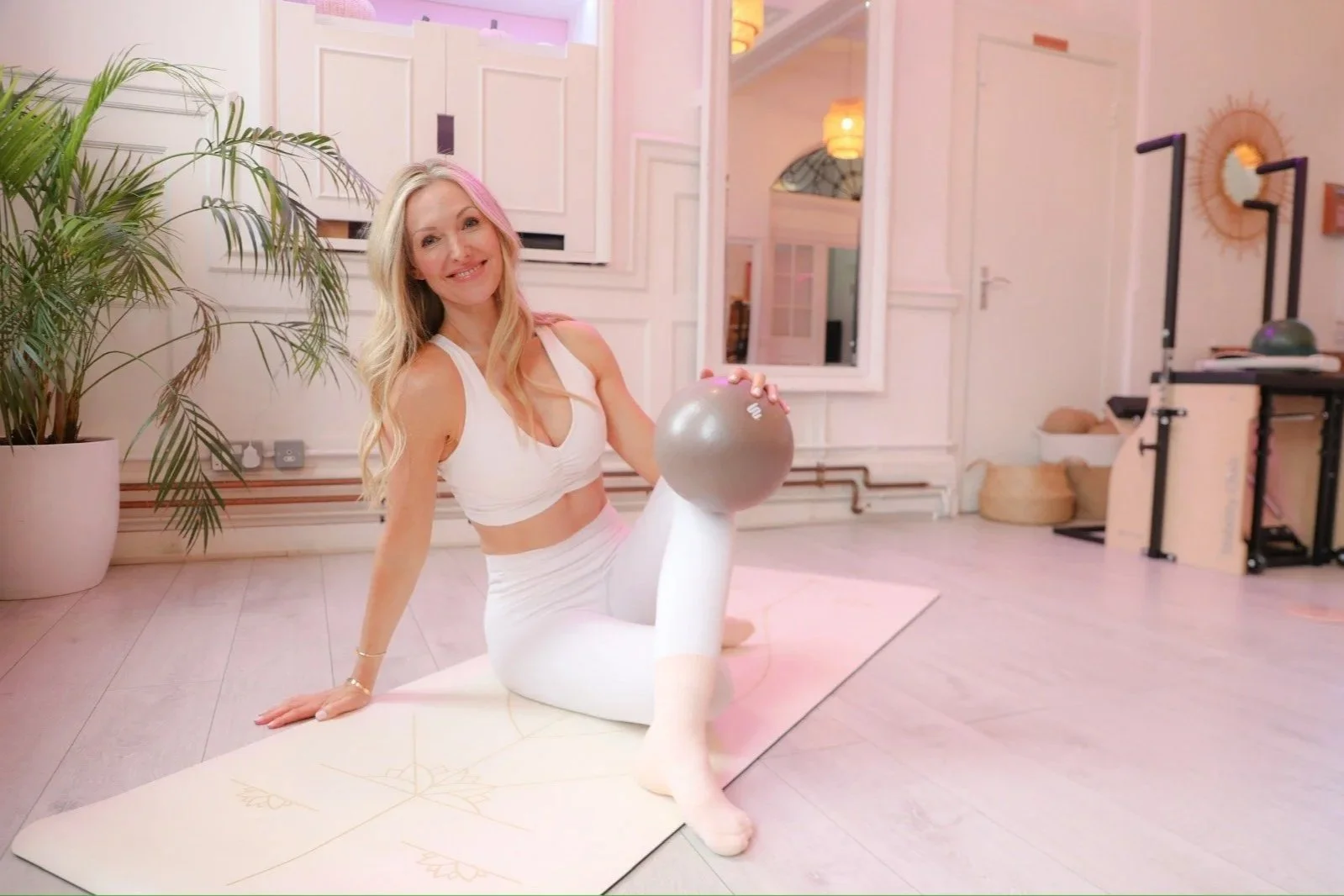
If I had one message for every woman walking into my Pilates studio, no matter her age, it would be this: Pilates is part of the equation, but it’s not the whole equation.
Pilates done right- good, intentional programming, based on the foundations and principles of Pilates serves its purpose incredibly well. But it’s important for us as teachers to acknowledge its limitations just as much as we recognise its benefits.
What I’ve noticed in my own body
For me, the changes started around 42. I used to fast in the mornings and only really do Pilates, which included using light weights on the reformer and the mat. Then I remember waking up one day and not feeling like myself.
My mood was low, my stomach felt constantly bloated, and my morning fast felt harder and harder to sustain. I remember teaching my regular morning classes, coffee in hand, feeling like I was physically vibrating.
That feeling went on for a few months. I wandered through life feeling overwhelmed and, honestly, pretty desperate, because my usual go-to hacks - eating less, working out more - had stopped working.
It wasn’t until I started researching what was actually happening that I understood enough to change how I ate and trained. I’m not saying it changed overnight, and to be honest, it’s a long journey, of which I am sure there is more to come.
But over the past few years, I’ve learned, mostly through trial and error, what my body needs. I want other women to know it’s not all doom and gloom, but you do need to make adjustments.
These days, I prioritise rest and recovery in a way I never used to. It’s no longer about always pushing hard, and fuelling my body properly is non-negotiable. The biggest change for me has come with the addition of a focused weight-training plan alongside my weekly Pilates sessions and daily walking.
The biggest misconceptions
The biggest mistake I see women over 40 make is treating this stage like it’s still about burning calories. They do more cardio, more hot Pilates and “trend” Pilates - you know the type with booty bands and lots of pulses - and they cut food groups, usually carbs.
For me, it’s not about doing more of the same. It’s about adding in what’s missing: heavier resistance, proper fuelling, including adequate protein, and enough sleep.
My attitude towards fitness has changed hugely over the last couple of years. I used to think I needed to finish every workout exhausted - maximum input, maximum results, right?
I’ve realised that’s not true. It’s about intentional training with purpose. I’m not saying workouts should be gentle, but they shouldn’t leave you depleted for the rest of the day. In fact, quite often I don’t sweat much when I strength train, but that doesn’t mean it’s not doing its job properly.
Training smarter
I’ve been a “Pilates girlie” since I was 19, when I first discovered it at dance college. I love the way it makes me feel, connected not just to my body but to my mind too. That’s exactly why I appreciate it even more at this stage of life. It’s the mind-body connection that relieves stress and leaves me calmer.
There are so many different versions of Pilates these days, I understand why it’s difficult for clients to know what they’re signing up to. For me, it doesn’t have to be purely classical, even though I am leaning more and more towards the classical work these days, but it does have to derive from the classics and maintain the Pilates principles.
Those exercises and principles are what set Pilates apart from just another workout. But even the more classical exercises have to be programmed well within a class and led with intention and purpose.
When building muscle is the goal, we also need to consider whether the resistance remains challenging enough. Heavy spring tension can create a real stimulus, and for women who are just starting out, Pilates can provide an opportunity to build strength. But there may come a point where your body needs more load to keep responding.
That doesn’t make Pilates less valuable. It means considering strength training alongside it, whether that’s free weights or machines. The point I want to make clear is that this is a combined approach.
Not frightened of lifting heavy
For women who’ve lived, breathed and preached Pilates their whole lives, I know this is a big shift in perspective.
If you’re frightened of lifting heavy, start by redefining what “heavy” means. It’s relative to you, not to anyone else in the room. Progressive overload is exactly that: progressive. You start with what challenges you today - that might be your own body weight - and as your body adapts and gets stronger, you add more load.
Your body needs time to adapt and grow stronger. If you’ve been practising Pilates, you already have foundations in mobility, body awareness and movement patterns that can help prepare you for adding heavier loads.
You will no doubt need a trainer or guidance to ensure you’re doing it correctly to start with. Don’t walk in and wing your strength workouts. You need to follow a plan.
What my week actually looks like
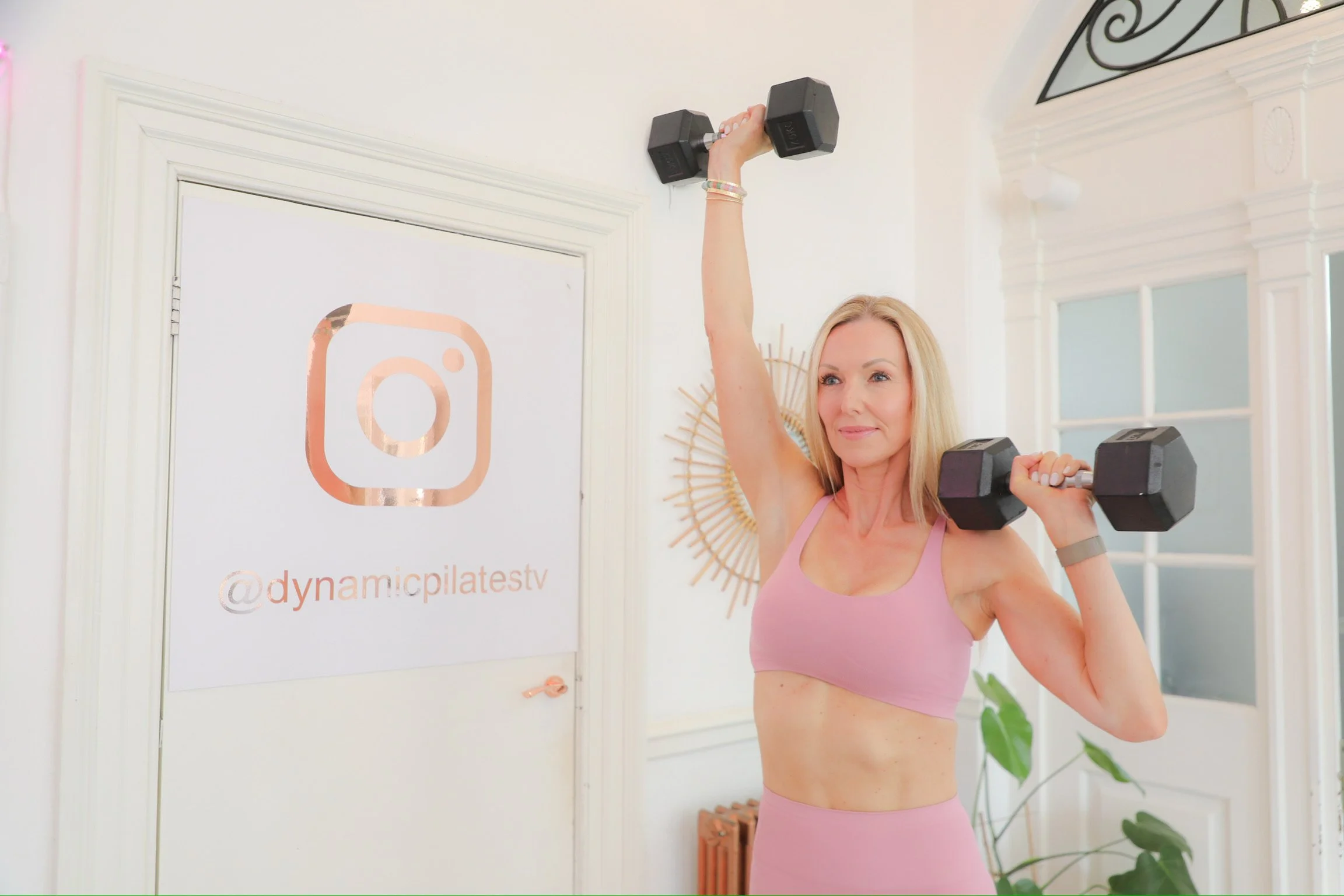
People always want the practical version, so here’s what a good week looks like for me: three to four strength sessions - two to three lower body, one upper body - and I follow a plan which lasts around 12 weeks before I switch it up.
Alongside that, I do two to three Pilates sessions, walk 12,000–15,000 steps a day, and have two rest days where I only walk. I know that sounds like a lot, and not everyone has that time. There are other parts to the puzzle too, and yours might look different from mine.
For me, it’s about my whole day’s movement, not just what happens in the studio or gym. And it’s eating a nutritionally dense diet with enough protein, fibre and gut-friendly food, along with fats and carbohydrates.
I used to skip carbs, so what’s surprised me most about the food plan I’ve been following with my coach is how well my body responds to eating more of them - I’m absolutely loving it, because I’ve always thought they were the enemy! It’s about finding the balance my body actually needs to function well.
Above all, it’s consistency that makes the biggest difference. I know we all know that, and it sounds so cliché, but how many people actually stick to the plan for long enough to start seeing results? This isn’t a short-term plan. You need to look at it as a way of life.
Recovery has become as important to me as the training itself, and I really value my rest time. I have finally realised that the body does need time to recover after training sessions, and doing more isn’t always better. I feel more able to physically push myself at my next session when I have rested.
Bringing it into the studio
As a studio owner with a client base largely in midlife, I’ve learned how important it is to build a schedule around what women actually need.
A few years ago, we introduced a Pilates Strength class - a fusion of mat-based heavy weight training and reformer/chair Pilates - and it’s now one of the most popular classes on our timetable.
It’s simple in terms of skill level, but as challenging as your ability and the weights you choose allow, which makes it a great entry point into strength training, especially for anyone short on time.
Now I hear things like: “I can lift heavier things around the house,” “I can carry the shopping further without stopping,” and “I feel stronger, more able, less fragile.”
That’s what makes me feel like I’m actually giving women what they need, instead of staying in my lane because that’s what I was taught a Pilates studio should do.
The conversation has changed
I love the way women have started to embrace strength training, but I still think there’s a lot of confusion, not only from clients but from teachers too. It’s our job as teachers and studios to stop using misleading language such as “toned” and “snatched”, and even well-known Pilates phrases I’ve been guilty of using myself, like “long and lean”. We need to get clear on the real benefits of Pilates and promote those, because they are immense and enough on their own. Pilates gives you control, mobility, breath and a body that moves well for life.
Progressive strength training supports the muscle and bone health that help keep you capable, independent and strong for whatever the next decade asks of you. Together, they can help build strong, capable bodies for life. That’s not a fitness trend to me. It’s become the centre of how I teach.
This month on DPTV, The Empowerment Edit marks World Menopause Day with classes supporting women in midlife, from HIIT to hormone health. I’m leading four strength classes alongside my coach, Anca, which you can follow at home with heavy weights and repeat over 12–16 weeks to progressively build strength. Sign up for a two-week free trial and join us.