
What Pilates Can Learn from the Yoga Boom & Bust — and What Comes Next
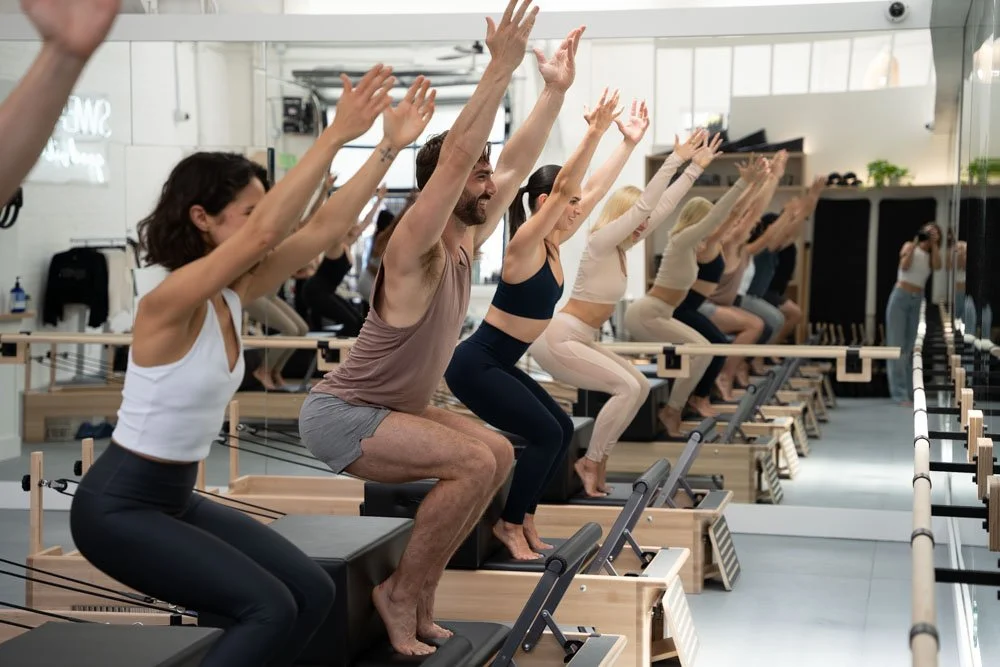
Over the past two decades, the fitness and wellness industry has experienced waves of rapid growth. Few have been as visible as yoga’s rise in the early 2000s through the mid-2010s. What began as a deeply rooted, practice-driven discipline evolved into a mainstream “category,” expanding quickly across cities, demographics, product offerings and price points.
As the yoga category scaled, it also fractured. Studios closed. Pricing compressed. Client loyalty shifted. And many operators were left asking themselves what happened.
For those of us building in Pilates, there is an opportunity to do this differently.
Pilates today is on a powerful upward trajectory. The demand is real. The results can be very tangible. The audience is expanding. But where it goes from here is not guaranteed.
With strong leadership and a shared commitment to standards, Pilates can become a long-term, deeply respected modality that clients commit to for years, with a broader and more diverse audience. Without that alignment, it risks following a familiar cycle: rapid expansion, loss of authority, dilution, and eventual contraction.
I’ve spent much of my career in environments focused on scaling with intention, including my time as a senior executive at Netflix where I also facilitated leadership seminars grounded in long-term organizational thinking. One thing is consistent across industries: scale without standards erodes the very thing that made the product valuable in the first place.
In Pilates, that risk is real.
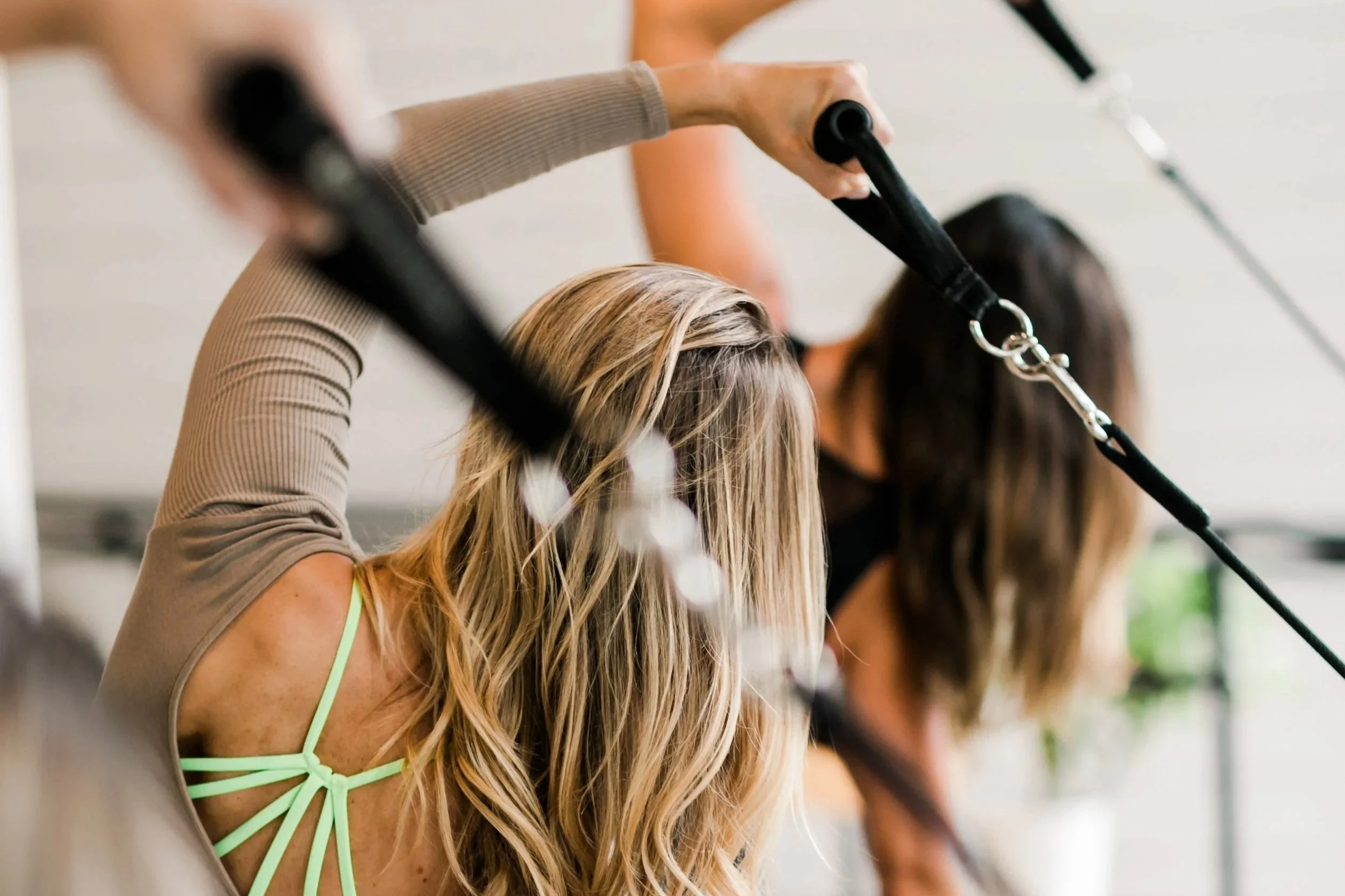
When I workout with a highly experienced, classically trained Pilates instructor, whether in a group class or private session, I still discover something new in my body every time. Even after all these years. That level of depth is what makes the method powerful. It is also what gets lost when the experience is mass-produced and flattened into something more aesthetic than effective.
As Speir Pilates marks its 10-year anniversary, we’ve been reflecting on what it takes to build something that lasts.
Below are a few lessons that feel particularly relevant for where Pilates is headed next.
1. Growth Without Differentiation Isn’t Growth
During yoga’s peak, studios multiplied quickly, often offering a similar product: vinyasa flow, a warm room, candles, and a sense of community. Initially, demand supported it. Over time, sameness led to commoditization, and price became the primary differentiator.
Margins shrank. More importantly, loyalty weakened.
The takeaway for Pilates is simple, but not easy: define your corner of the category with precision.
At Speir, we’ve always been clear about what clients come to us for: top talent, energy, precision, strength, and athleticism grounded in a contemporary approach to classical Pilates. That clarity informs everything, from programming and education to music, tone, and client experience.
Differentiation in Pilates is not branding. It is the product.
2. Teacher Training Became the Product and Diluted the Market
As yoga studios looked for scalable revenue, teacher training programs expanded rapidly. While often well-intentioned, the volume of newly certified instructors outpaced mentorship, experience, and sustainable job opportunities.
The result was a dilution of teaching quality and downward pressure on compensation.
Pilates has an opportunity to take a different path.
Teacher training should be a long-term investment in quality, not just a short-term revenue driver. That means scaling rigorous educational standards, meaningful mentorship, and creating clear pathways into sustainable careers.
As we enter our second decade, we are doubling down on this. Deeper classical Pilates education. Ongoing continuing education.
A commitment to developing exceptional teachers, not just more teachers.
Because ultimately, the product IS the teaching.
3. Community Can’t Be Mass-Produced
One of yoga’s greatest strengths, community, also became one of its biggest challenges at scale. As brands expanded, many attempted to standardize what is inherently personal and requires authenticity: connection, culture and voice.
We all felt the shift.
In Pilates, community is built in the room. It lives in the interaction between teacher and client. It is the moment a teacher sees you, adjusts you, and believes in your progress. It is closer to the trust you build with a great coach or a thoughtful doctor than a large-scale group experience.
Studio culture is not just a marketing strategy. It is a lived experience.
The strongest studios don’t over-engineer uniformity.
4. Diversification Isn’t Your Issue
When growth slowed, many yoga brands diversified quickly, adding barre, HIIT, custom retail and more. While some additions worked, many diluted the core product and created operational complexity.
Expansion without intention blurs identity.
For Pilates operators, the better question is not what can we add, but what strengthens what we already do well.
Every new offering should have a clear role: improve retention, deepen results, or expand access for the audience.
If it doesn’t clearly do one of those, it likely adds friction rather than value.
5. The Studios That Lasted Focused on Standards, Not Trends
The yoga studios that endured were not always the largest with the most locations. They were the most consistent. They focused on teaching quality, leadership development and operational discipline.
They did not chase trends. They refined their standards.
The same is proving true in Pilates.
Consistency in programming, instruction and client experience builds trust. Trust builds longevity.
At Speir, this has meant staying anchored in a modern classical foundation while continuing to evolve how we deliver it. Not moving away from the method, but strengthening our commitment to high-level instruction, thoughtful programming, and exceptional teachers.
6. The Next Wave of Fitness Is About Depth
Today’s client is more informed and more selective. There is still price sensitivity, but there is also a growing understanding that quality and expertise carry value.
Clients are less loyal to categories and more loyal to experiences that deliver results, structure, and a sense of belonging.
They want to feel progress. They want to understand what they are doing and why. They want to feel known when they walk into a space.
This is where Pilates is uniquely positioned, if it leans into depth rather than scale for its own sake.
Clear progression. Thoughtful programming. Strong teacher-client relationships. A consistent standard of excellence.
The opportunity is to build long-term transformation and, in turn, long-term commitment to the method.
Looking Ahead
As we celebrate 10 years of Speir Pilates, our focus is simple: hold the standard and continue to raise it.
That means investing in classical Pilates education, prioritizing continuing education for our instructors, and delivering a contemporary experience that meets today’s client while honoring the integrity of the method.
It also extends beyond our own studios. Through our Studio Plans program, we support studio owners around the world with programming, teacher development, and business operations tools, helping them build sustainable, high-quality Pilates businesses grounded in clarity and standards.
Because what we protect now will define what Pilates becomes.

Liz Polk is Co-Founder of Speir Pilates®, a contemporary Pilates company with studios in Los Angeles and Newport Beach. She is also a Founding Partner of The BALA Firm LLP, a leading business and legal affairs practice in media and entertainment. A former senior executive at Netflix, she brings her background in scaling creative businesses and leading high-performance teams to the wellness space. Through Speir Pilates and its Studio Plans program, she focuses on elevating excellence across the Pilates industry.
Speir Pilates® is a contemporary Pilates company founded in 2016 with studios in Los Angeles and Newport Beach. Known for its commitment to precision, energy, and high-quality instruction, Speir blends classical Pilates foundations with a modern, athletic approach. Now celebrating 10 years, the company continues to invest in teacher development, client experience, and building a lasting standard within the Pilates industry.
For media inquiries: pr@speirpilates.com