
Pilates Is No Longer a Trend - It’s a Correction
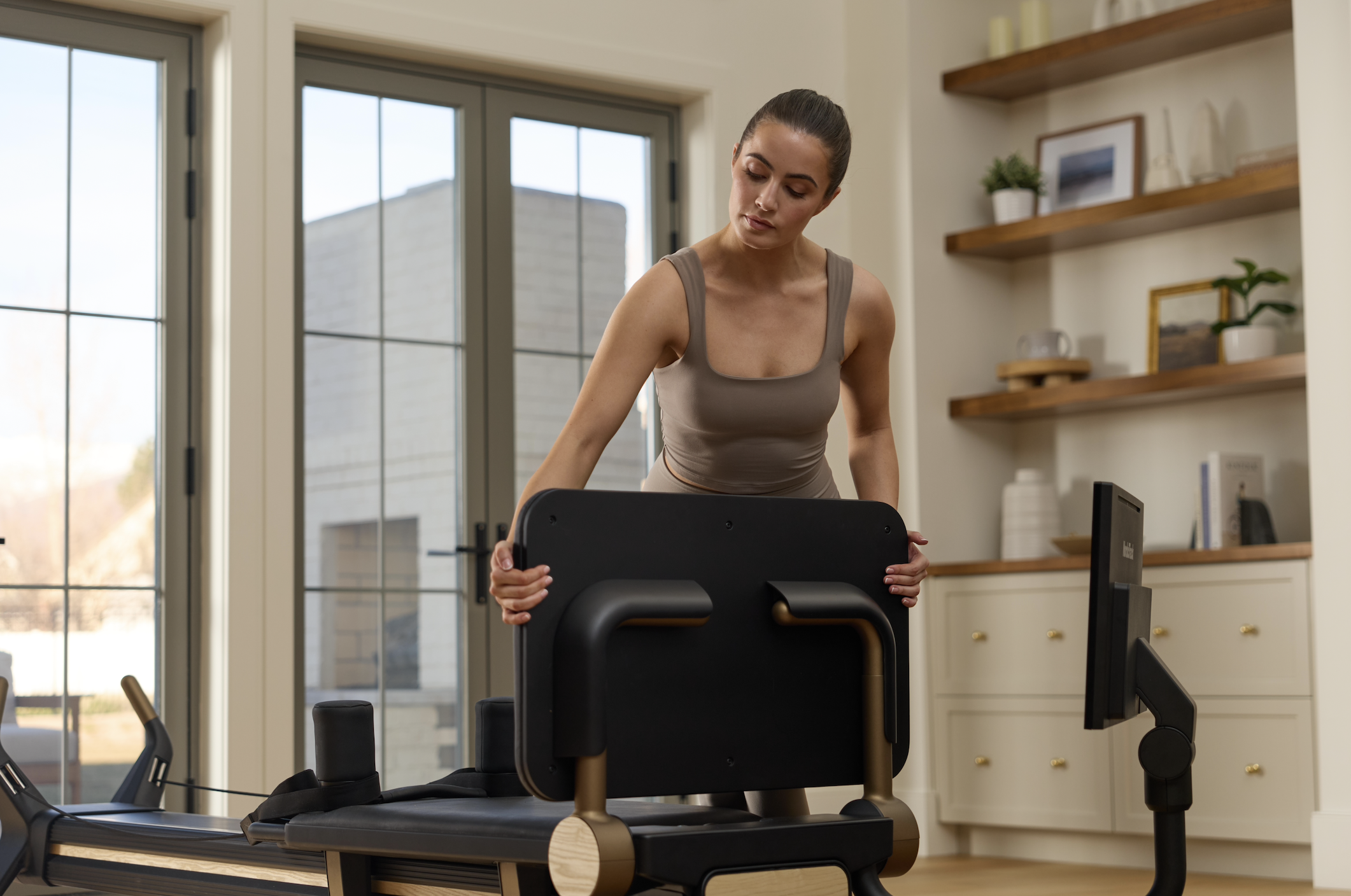
As Pilates continues its rapid global rise, Yvette McGaffin believes the shift is less about trend and more about a long-overdue industry correction - one now reshaping how brands, studios and consumers think about movement, longevity and premium fitness.
Pilates is no longer sitting on the fringe of the fitness conversation.
It is increasingly becoming central to it.
For Yvette McGaffin, the Director of Marketing, Pilates at iFIT, the momentum behind the category is not driven by hype, but by a deeper shift in how consumers are reassessing what fitness is meant to deliver.
“I don’t think Pilates is growing because it’s a trend,” she says. “I think it’s growing because people are starting to realise that a lot of what they’ve been doing in fitness isn’t actually serving them long term.”
From her perspective, the growth of Pilates reflects a broader recalibration happening across wellness and performance.
For years, she says, the industry rewarded intensity, speed and visible fatigue. But increasingly, consumers are moving away from short-term exertion models and toward training methods that offer longevity, structural strength and sustainability.
“Pilates offers something fundamentally different. It builds strength, but it builds it with control, alignment, and awareness.”
That distinction - strength with intelligence - is what Yvette believes is resonating most strongly with today’s market.
Rather than chasing immediate aesthetic outcomes alone, consumers are increasingly prioritising mobility, recovery and how their bodies will function over time.
“People aren’t just asking, ‘will this get me results?’ they’re asking, ‘can I keep doing this for the next 10, 20 years?’”
“The growth isn’t surprising. It’s a correction. It’s people moving towards something that actually makes their bodies better, not just more tired.”
It is this lens that helps explain why iFIT’s move into Pilates feels strategically significant.
Why Pilates Became a Strategic Priority
With the acquisition of Reform RX, iFIT’s entry into Pilates is not being framed by Yvette as a simple content expansion.
Instead, she describes it as a response to a larger market shift already underway.
“iFIT weren’t looking to just ‘add Pilates’ as another category,” she says. “They understood that Pilates is different, you can’t separate the method from the equipment.”
That distinction is critical.
At a time when multiple fitness platforms are adding Pilates-inspired classes to their content libraries, Yvette sees true category leadership as something far more integrated.
For her, the opportunity lies in building a connected ecosystem where equipment, instruction and technology work together to support progression and outcomes.
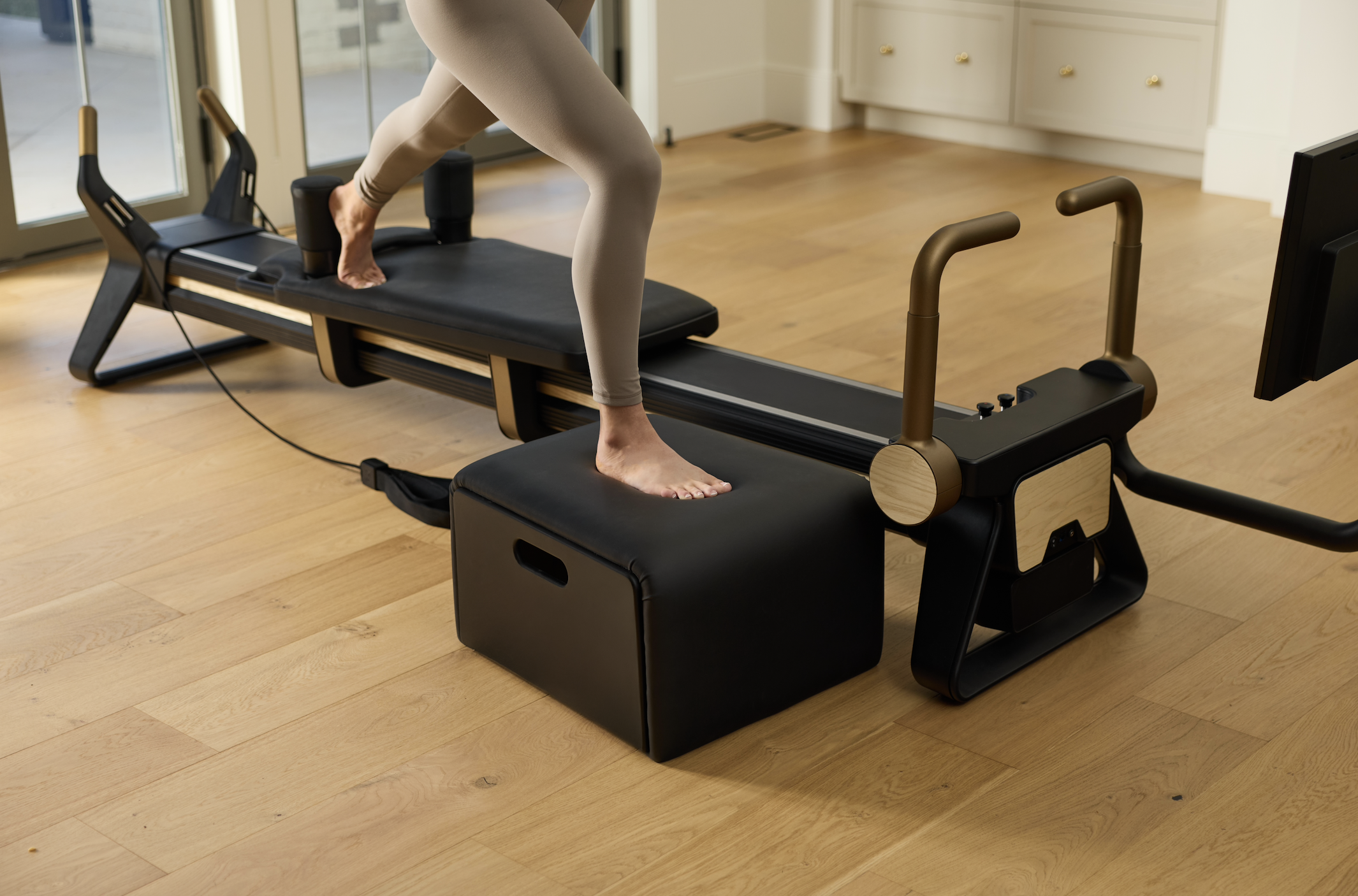
Through Reform RX, that began with rethinking the reformer itself.
“We hadn’t just built a reformer, we had rethought how the reformer should function to support better movement and better outcomes.”
The Smart Spine™ system, enclosed spring design and push-button resistance were all developed from what she describes as a need to solve longstanding limitations in traditional equipment, particularly around consistency, safety and scalability.
Yvette believes the real opportunity emerged once Reform RX’s equipment innovation was connected to iFIT’s broader global ecosystem.
“When you connect that with iFIT’s global platform, the scale, the content capability, the personalisation, it creates something much more complete. You’re not just introducing people to Pilates, you’re giving them a way to progress in it properly.”
The Rise of the Premium Pilates Consumer
Another shift Yvette is seeing is the rise of the premium Pilates consumer, one who expects both performance and design.
This is where products such as the Ultra 1 Reformer and Reform RX-S sit within a broader luxury wellness ecosystem.
Yvette also notes that design is no longer a secondary consideration in the Pilates space.
“Aesthetic and experiential design have become essential in attracting today’s Pilates consumer because they directly shape how people feel, move, and stay engaged in a space.”
For her, this extends beyond visual appeal alone. The physical environment, the feel of the equipment, the digital interface and the seamlessness of the experience all contribute to whether consumers remain engaged over time.
This is especially relevant in the premium segment, where expectation now sits at the intersection of performance, technology and design-led living.
A Younger, Wellness-Led Market
For Yvette, Pilates does not sit in isolation within the iFIT proposition.
“Beyond individual workouts, we’re building a broader wellness ecosystem that includes strength training, Pilates, yoga, meditation, and recovery.”
This wider ecosystem reflects the way today’s consumer is approaching movement — less as a single discipline and more as an integrated wellness practice that supports performance, recovery and longevity across multiple touchpoints.
“That holistic framing also mirrors the way many premium studios are now rethinking member journeys, moving beyond single-class transactions toward broader lifestyle ecosystems.”
Studio and Home: A Complementary Future
For studio owners, perhaps the most relevant question is whether connected at-home reformers create competition.
Yvette’s view is that they do not.
“We see the relationship as complementary, not competitive.”
Rather than replacing studios, she sees at-home reformer access as strengthening continuity in practice.
Yvette is also seeing class formats evolve in response to how consumers now move between environments.
“Class design is also evolving toward more modular, goal-oriented formats that translate seamlessly across in-studio, livestream, and on-demand environments.”
Rather than designing for one location alone, the future of Pilates programming, through her lens, is increasingly fluid, allowing members to maintain continuity whether they are in studio, at home or travelling.
This reinforces her view that the relationship between digital and physical experiences is complementary rather than competitive.
The Bigger Industry Shift
What Yvette is describing is ultimately bigger than a single acquisition.
Through her lens, Pilates is entering a new commercial era, one shaped by longevity, premium design, connected technology and evolving consumer expectations.
The conversation is no longer whether Pilates is growing.
Through Yvette’s lens, the next era of Pilates will belong to the brands, studios and educators who understand that growth alone is no longer the story, progression, longevity and experience now are.
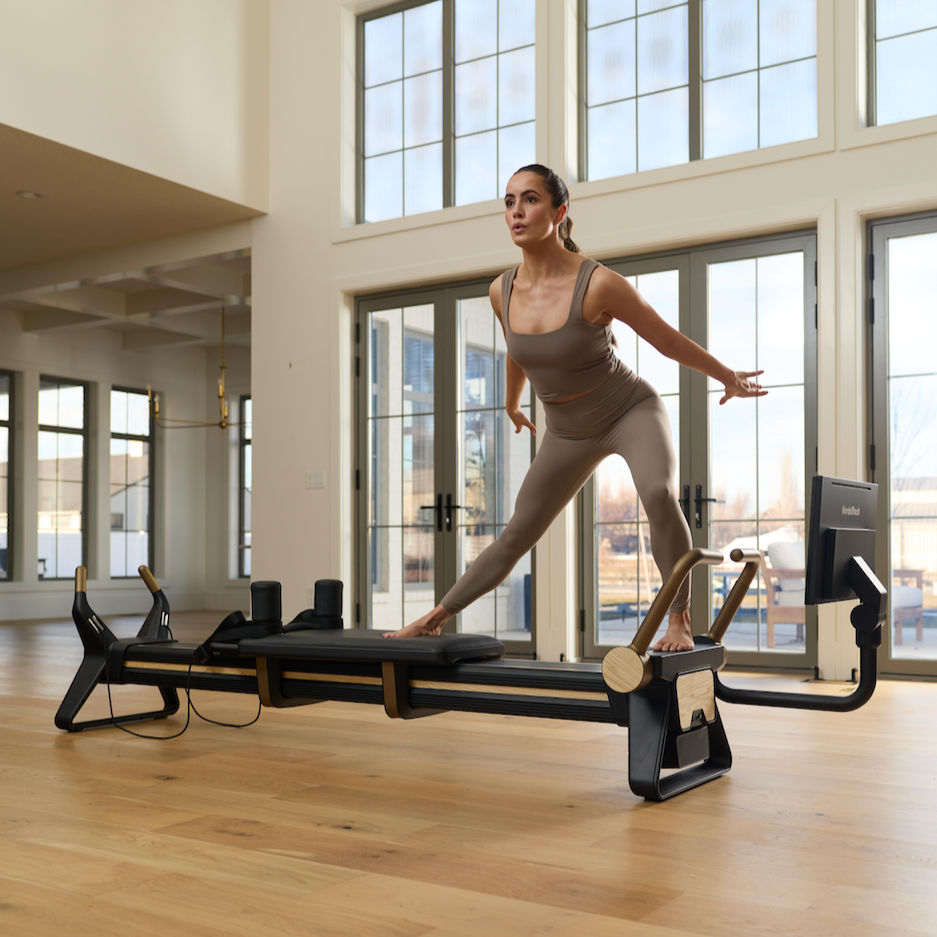
Yvette McGaffin, Director of Product Marketing, Pilates at iFIT
iFIT, is a global leader in exercise equipment and fitness content. Pre-orders for the NordicTrack Ultra 1 Reformer are now available. Find out more here.