
The Rise of the Hybrid Pilates Mover
Photography @pilatesanytime
Over the past decade, Pilates has expanded well beyond its traditional studio setting. Greater access, digital delivery and shifting movement habits have reshaped how, where and why people practise.
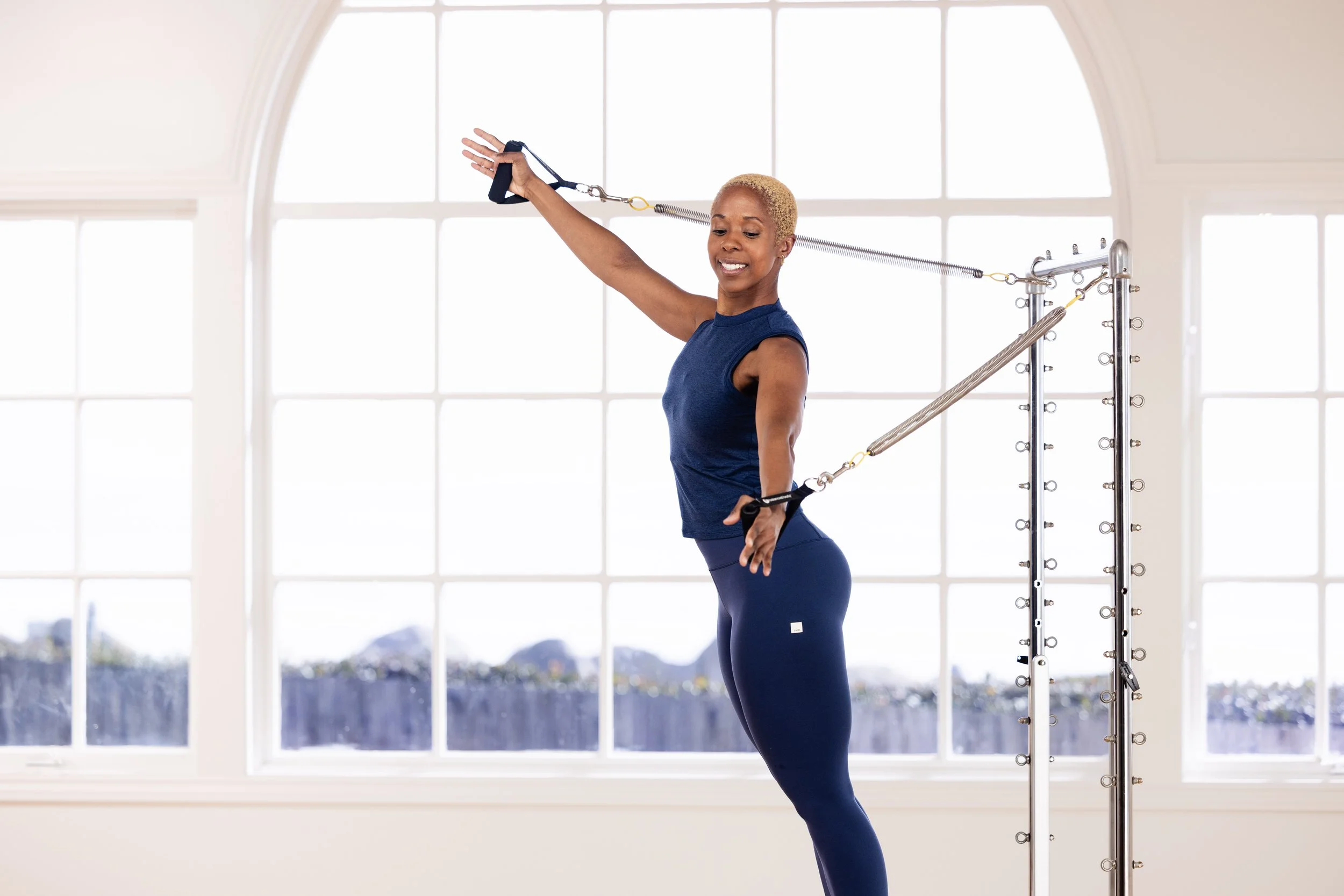
Pilates Anytime offers one lens into how these shifts are unfolding. In conversation with VP Chanda Hinman and CEO Kira Sloane, their insights help illuminate what The Pilates Journal is observing across the industry: the rise of the Hybrid Pilates Mover - a practitioner who blends Pilates with strength training, values efficiency, explores multiple apparatus and moves fluidly between goals, identities and environments.
Even as the platform has adapted to shifting consumer habits, its focus remains on exceptional teachers sharing the depth and integrity of the Pilates method.
From Limited Access to Limitless Choice
“Ten years ago, many people in the digital fitness space didn’t even know what Pilates was,” says Chanda. “There was very little understanding of mat work, and almost no access to equipment outside of dedicated studios.”
Group classes were often mat-based, and reformer sessions were rare.
“I remember teaching a reformer class with four machines and three completely different models,” she laughs.
The rise of group reformer training helped open Pilates to a broader audience. While contemporary studios embraced the format quickly, classical teachers took longer to adopt it.
Then the pandemic accelerated everything.
“When studios closed, people started buying equipment at home in huge numbers,” Chanda explains. “Suddenly Pilates was no longer limited by geography. Now we have a generation of movers who have teachers online, equipment at home and exposure to multiple teaching styles.”
The result is a very different client.
“Many clients want sessions that feel purposeful from the start. They’re also interested in fusion, circuit formats and strength-plus-Pilates experiences.”
Expanding What It Means to Be a Pilates Mover
One of the notable shifts Pilates Anytime is observingis the breakdown of single-discipline identity.
“There used to be an idea of a Pilates person or a yoga person,” Chanda says. “Now people cross-train. They understand the benefits of different modalities.”
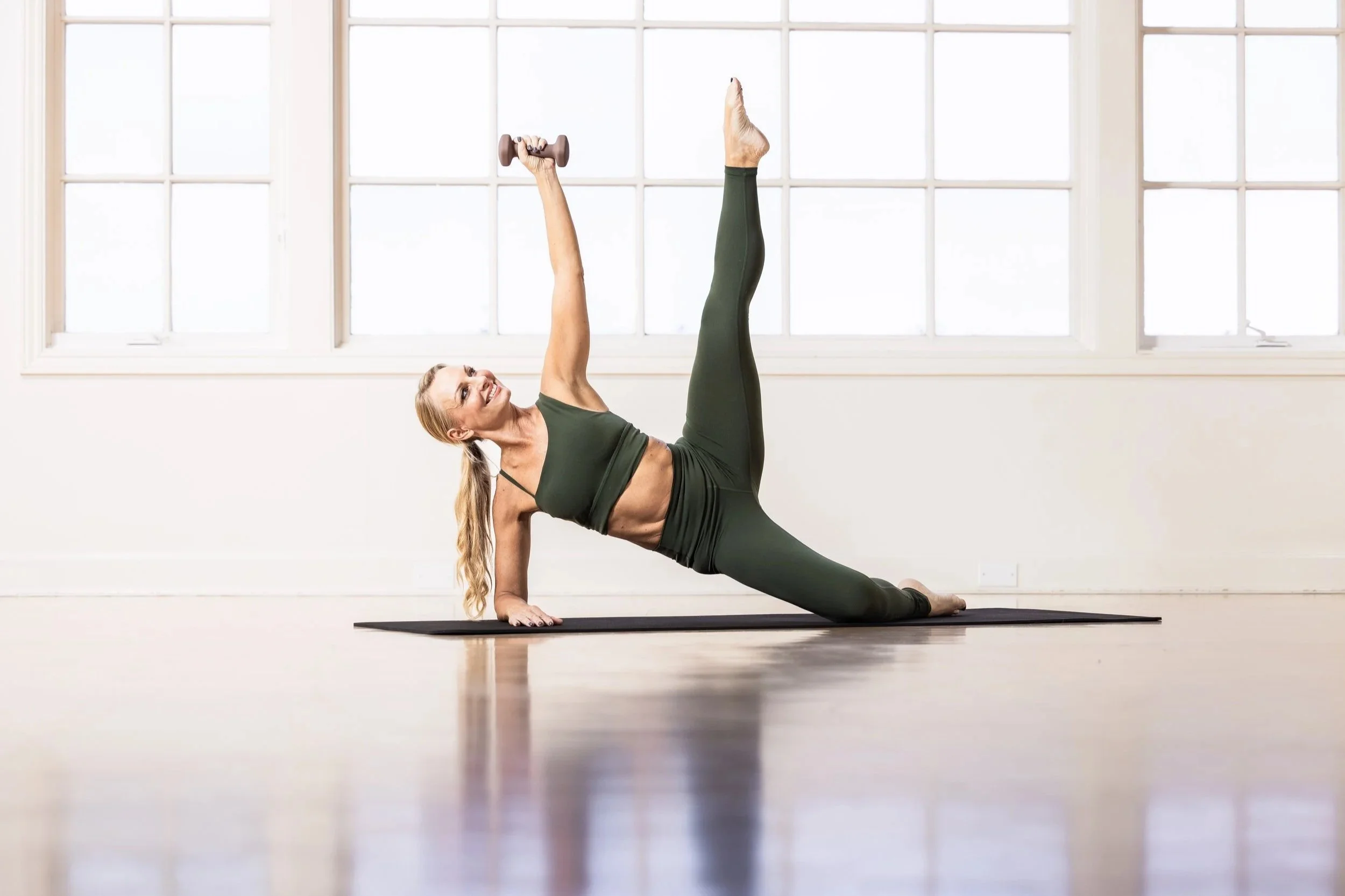
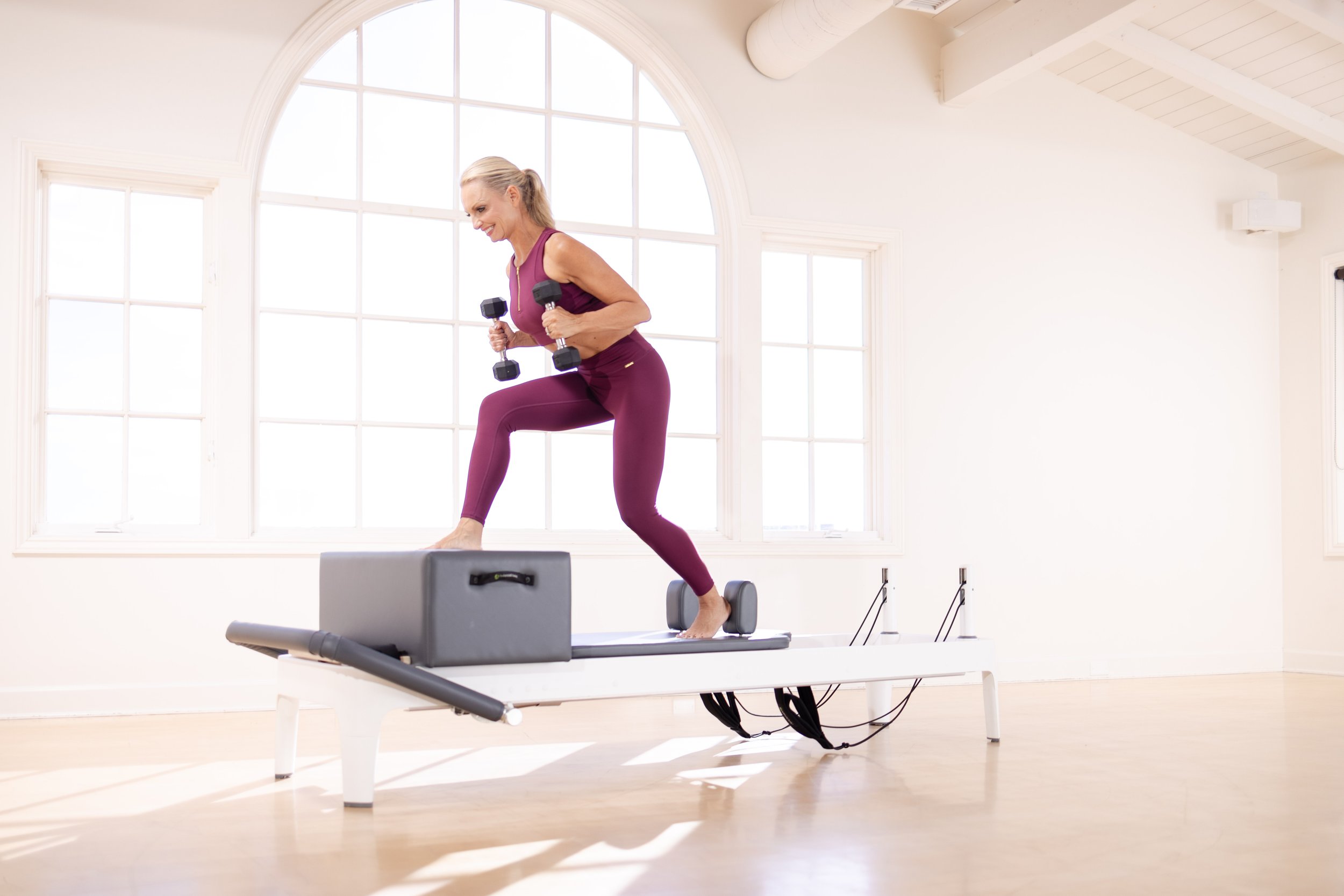
Athletes have played a key role in normalising this shift. Pilates is no longer positioned as an alternative to strength training, it is increasingly integrated alongside it.
“We’re seeing people realise they can get huge benefits from practising Pilates two or three times a week,” she says. “They don’t need to do one thing all the time.”
For Kira, this reflects the deeply personal nature of modern movement journeys.
“You might be an enthusiast who becomes a teacher. You might be injured. You might be a high-performing athlete,” she says. “Every pathway is unique. The challenge is how we meet all of those needs.”
Photography @pilatesanytime
Consistency Is the New Goal
As Pilates participation grows, consistency, not intensity has become the key metric of success.
Pilates Anytime has responded by rethinking how programs are delivered.
“We’ve made them more pragmatic,” Chanda explains. “Instead of feeling overwhelming, it might simply be ‘20-minute beginner reformer classes.’ People often just want something clear and achievable.”
This mirrors broader digital fitness expectations shaped by platforms like Apple Fitness, where intuitive navigation and personalised pathways are now baseline requirements.
But the real driver of consistency, Kira believes, is emotional.
“People have enough memory of how good they felt afterwards to come back,” she says. “We’ve all experienced the inertia of not moving.”
Discovery plays a major role. Some users constantly seek new classes and teachers. Others build strong loyalty to specific educators. At the heart of these programs is still thoughtful teaching progression, ensuring users are not just moving more often, but moving with greater understanding.
Shorter Workouts and a Return to Depth
Time-efficient formats have surged in popularity in recent years. Pilates Anytime saw significant growth in 20–30 minute sessions, particularly during periods when home schedules were unpredictable.
However, Chanda notes an emerging shift.
“We’re now seeing renewed interest in longer 40–50 minute workouts,” she says. “People are craving depth again.”
This reflects the hybrid nature of modern practice, balancing quick maintenance sessions with more immersive movement experiences.
Photography @pilatesanytime
Cross-Equipment Curiosity
Access to equipment is reshaping how people practise Pilates.
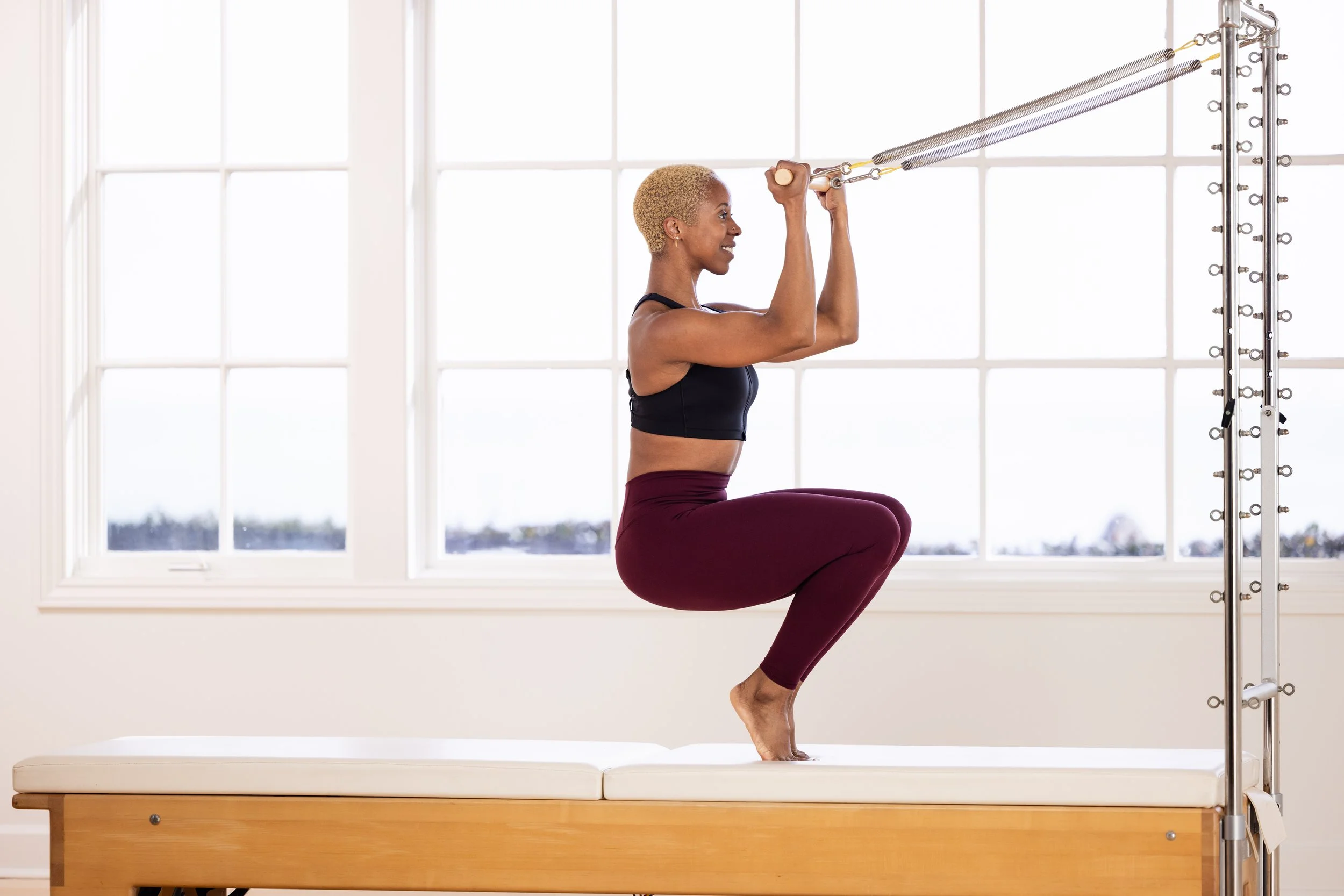
“We’re seeing increased interest in the Tower,” Chanda says.
Users frequently mix classical and contemporary approaches, as well as older and newly released content.
“They’ll watch everything,” she explains. “We’re constantly asking where the gaps are.”
Insights come from platform data, forums and direct community conversations.
“Our new system can respond to behaviour,” she says. “The same person might want a strong workout one day and support for an injury the next.”
They also note that exposure to different apparatus can help users better understand how the Pilates system connects as a whole.
Teaching in a Digital World
As more people access Pilates online, Pilates Anytime is noticing how teaching styles are adapting.
“Clear cueing becomes even more important when you’re guiding someone you can’t see,” says Kira.
“That’s something we often notice with studio owners,” Chanda explains. “They’re used to working with different bodies and levels in real time, which seems to translate well online. They have a natural ability to layer and adjust.”
Photography @pilatesanytime
Rethinking Beginner and Advanced
Traditional labels are also being challenged.
“There’s a new category emerging, what we might call a high beginner,” Chanda explains. “Someone who is a capable mover or athlete but completely new to the Pilates mindset.”
Serving these nuanced groups is now a major focus.
“We want to prioritise anyone who wants to try Pilates,” she says.
Even as formats evolve, both emphasise that Pilates Anytime’s role is not to redefine the method, but to expand access to high-quality teaching.
Looking Ahead
For Chanda and Kira, the future of Pilates Anytime and the wider industry lies in continued evolution.
“We want to keep showing up as the online resource for people who do Pilates,” Chanda says. That means honouring what endures while responding to how people practise today, - staying rooted in our history while continuing to evolve.”
If the past decade has been defined by access, the next may be shaped by personalisation, hybridisation and renewed curiosity about Pilates roots.